

Before you dive into these 39 free sheep coloring pages, did you know that sheep have rectangular pupils that give them between 270 and 320 degrees of vision? They can literally see right behind themselves without even turning their heads to spot predators—a superpower I definitely need as an uncle. Transitioning from their fascinating biology to simply bringing these farm animals to life on paper is honestly a lot of fun, especially if you’re putting together a big binder of animal coloring pages for a rainy weekend.
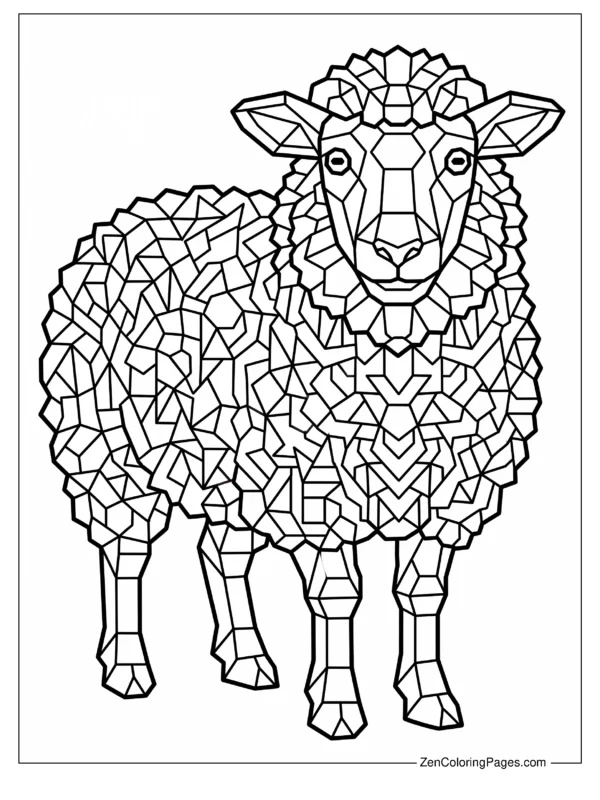
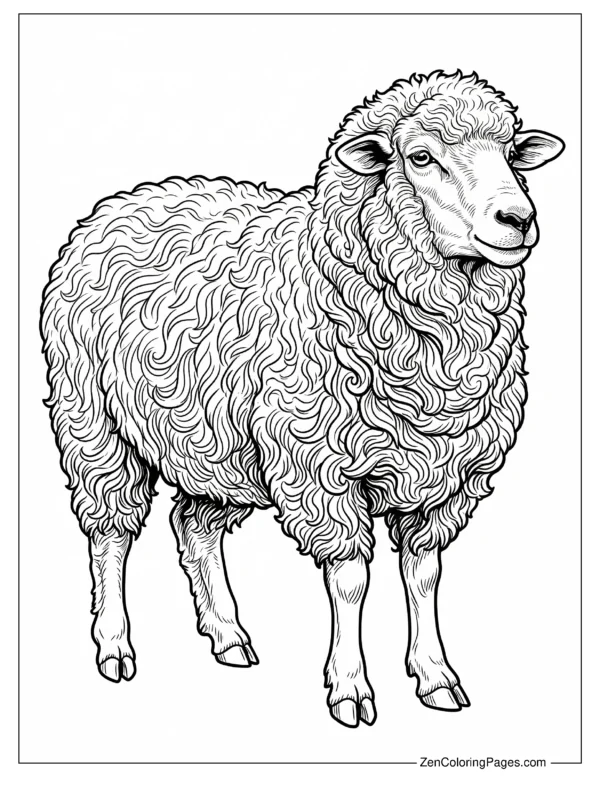
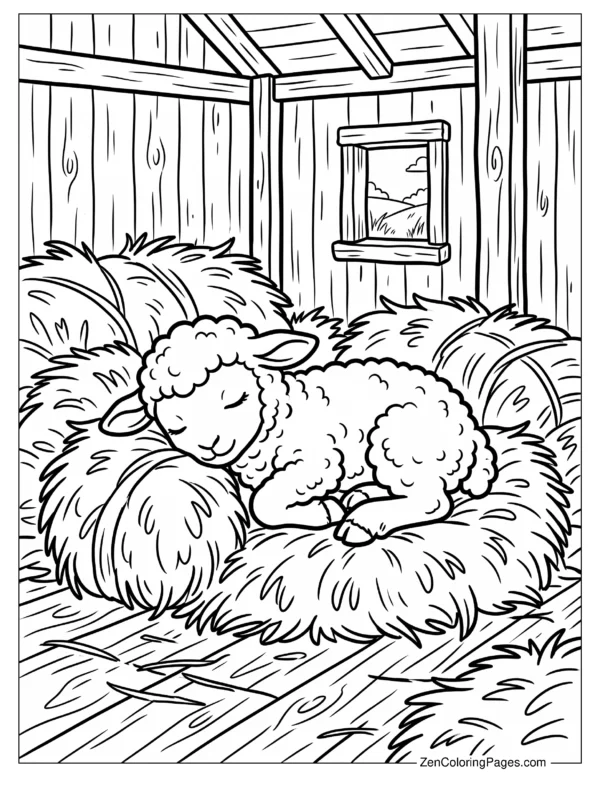
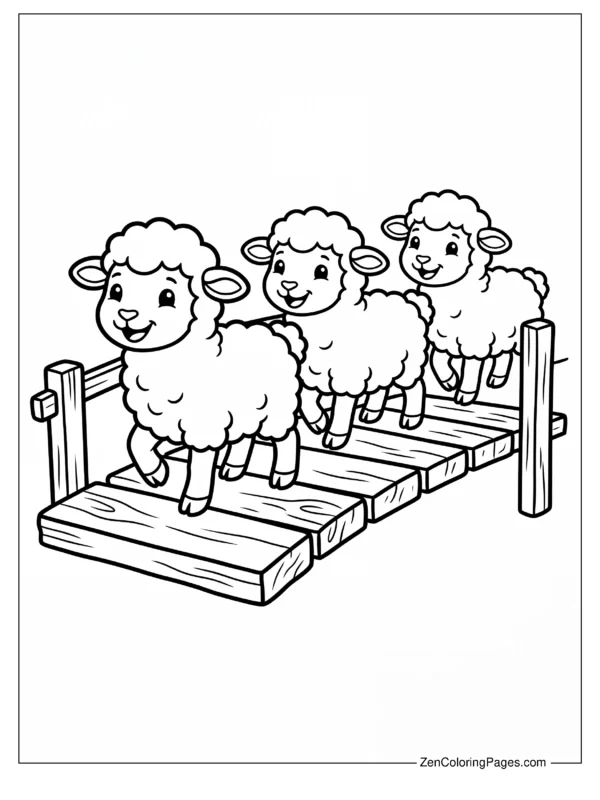
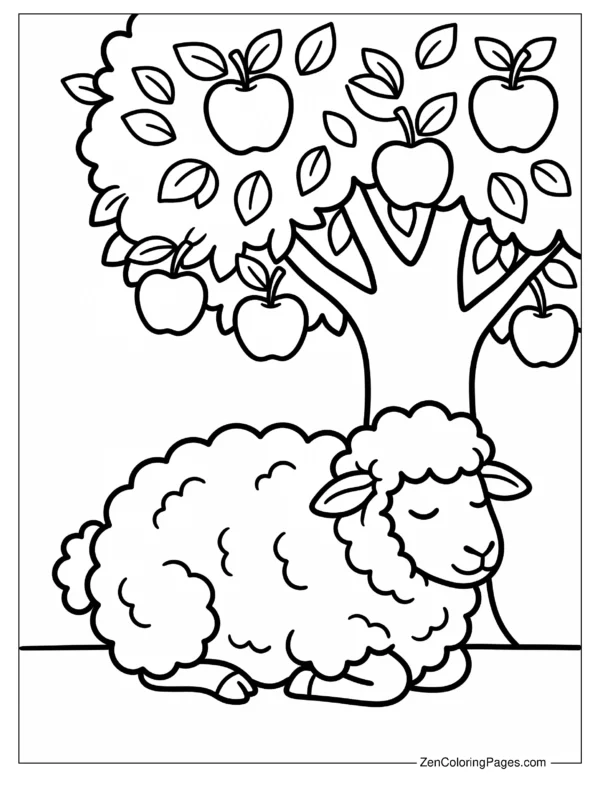
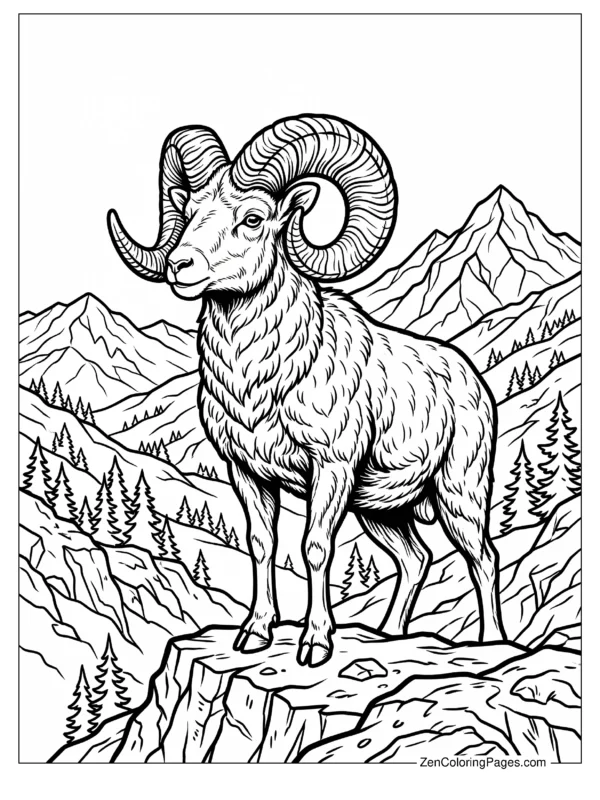
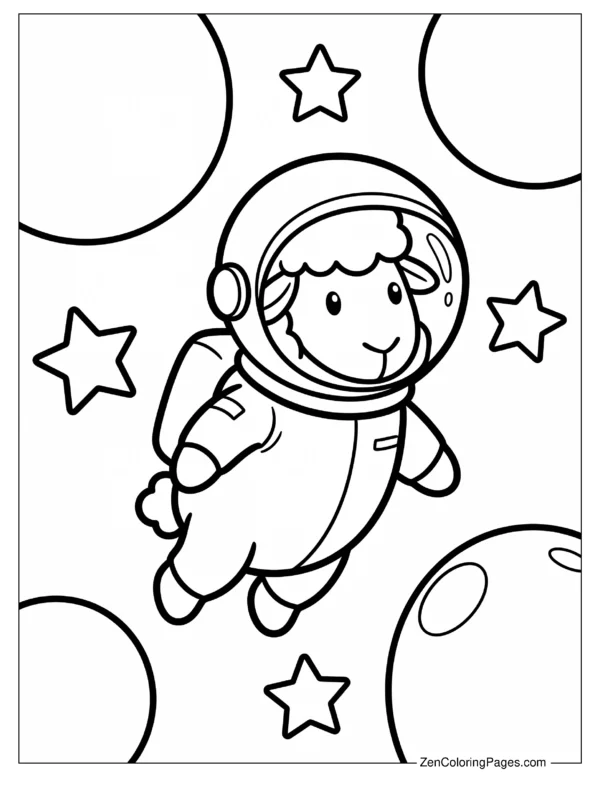
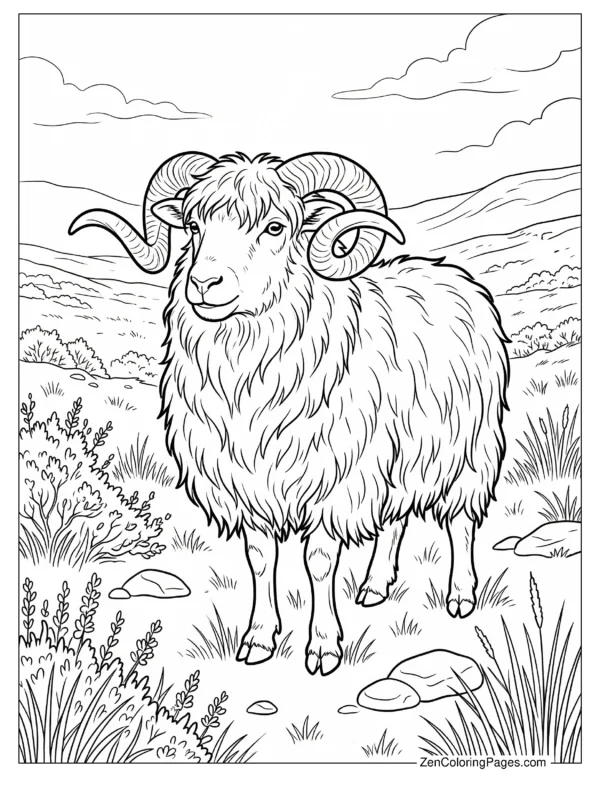
I made sure this collection has a massive variety so nobody gets bored. You’ll find everything from simple farm scenes like the Baby Lamb Napping in Hay Barn—ideal for preschool and kindergarten kids—to totally imaginative stuff like a Sheep Astronaut Floating in Outer Space (my personal favorite). I also included intricate mandala styles and medium-difficulty designs like the Realistic Merino Sheep Detailed Wool Texture. That one is perfect for older children and adults who actually have the patience to sit and shade in all that fluffy wool.
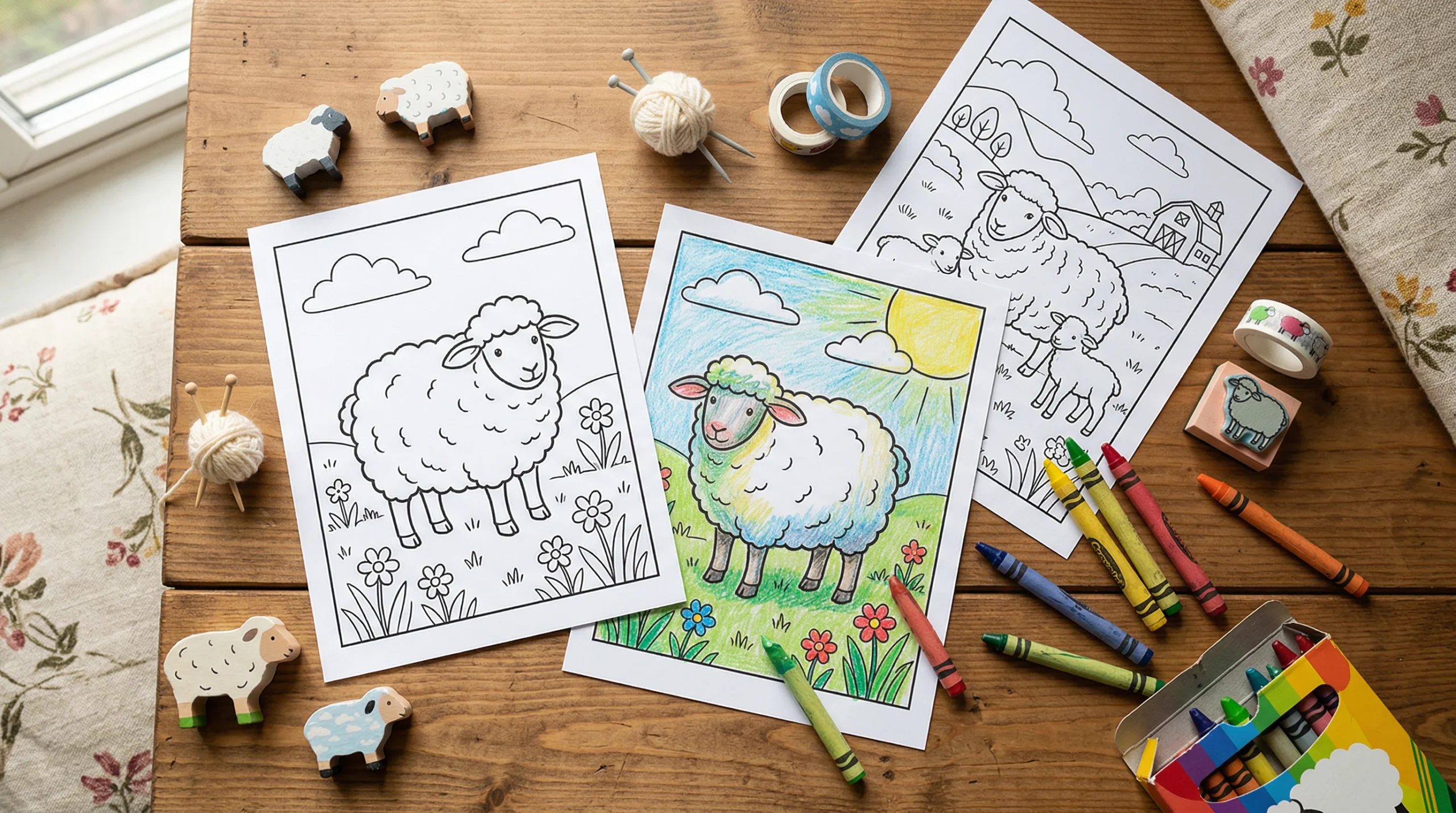
Every single image below is a high-quality PDF printable available for instant download. Just click the one you want and print it out. These are clutch for spring classroom units, rainy day farm activities, or just some relaxing art therapy when you need the house to be quiet for twenty minutes. Between the chunky outlines for toddlers and the detailed patterns for adults, there is definitely a perfect page here for every age and skill level.
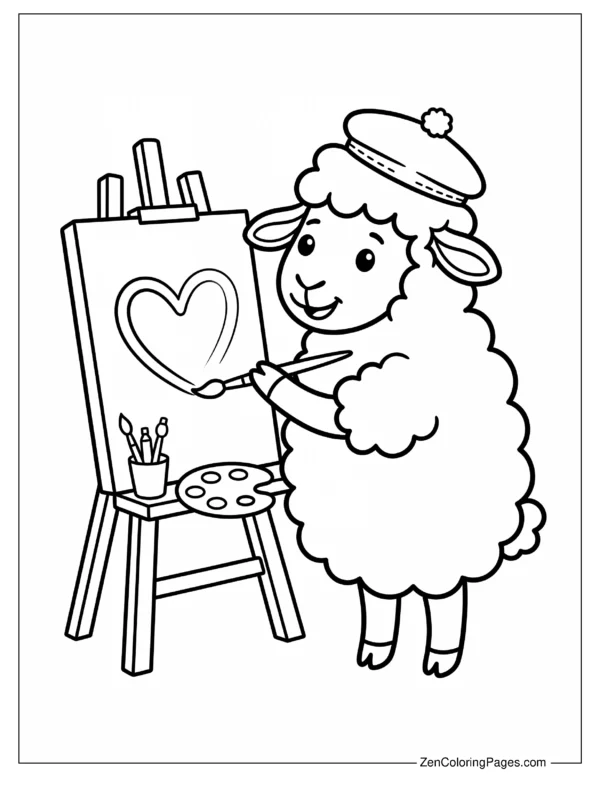
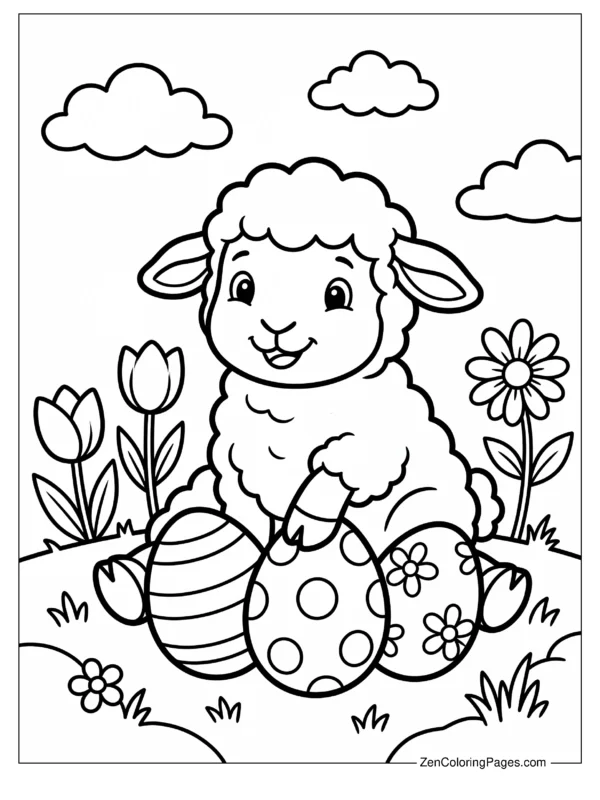
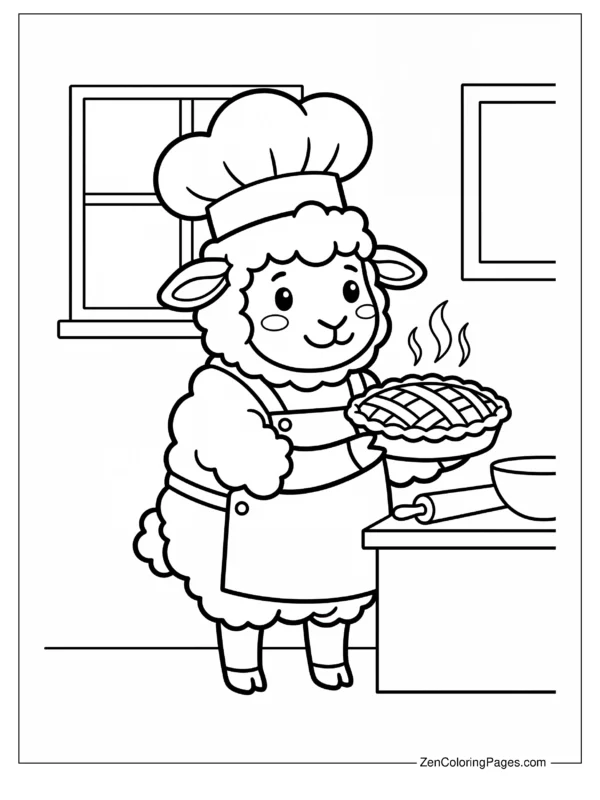
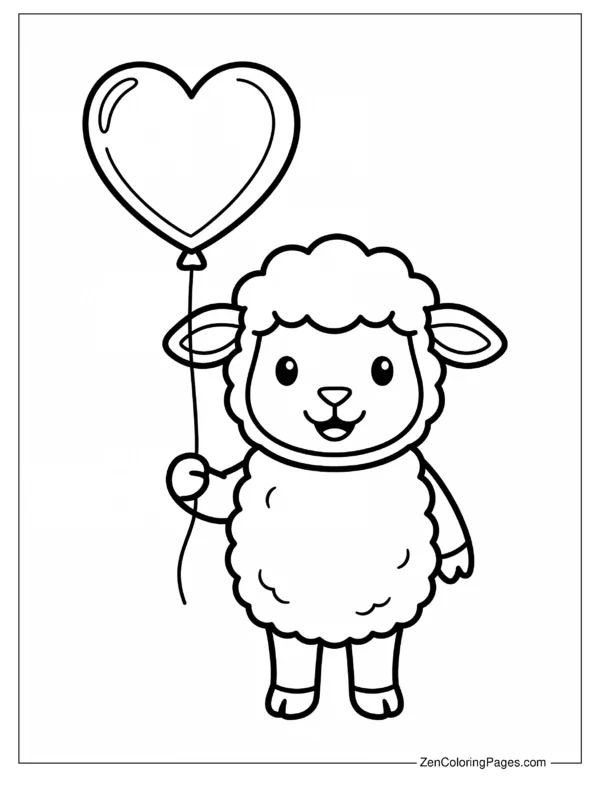
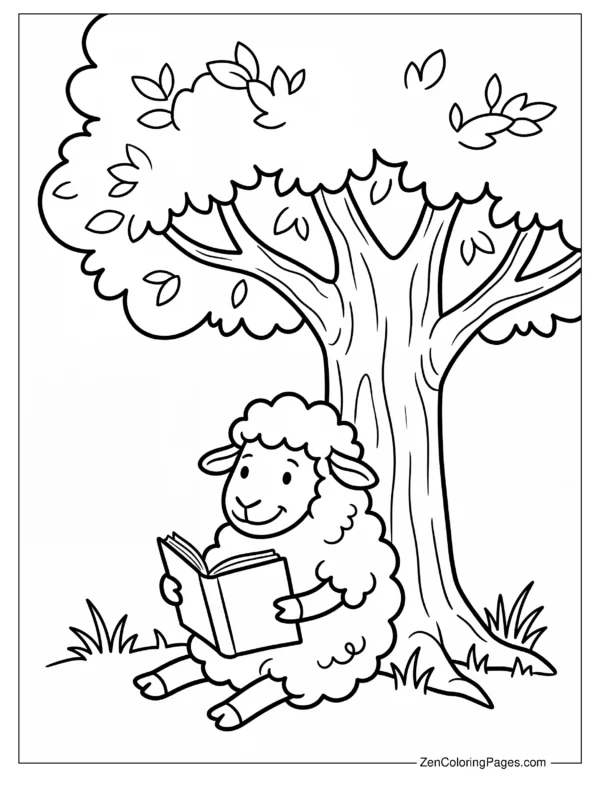
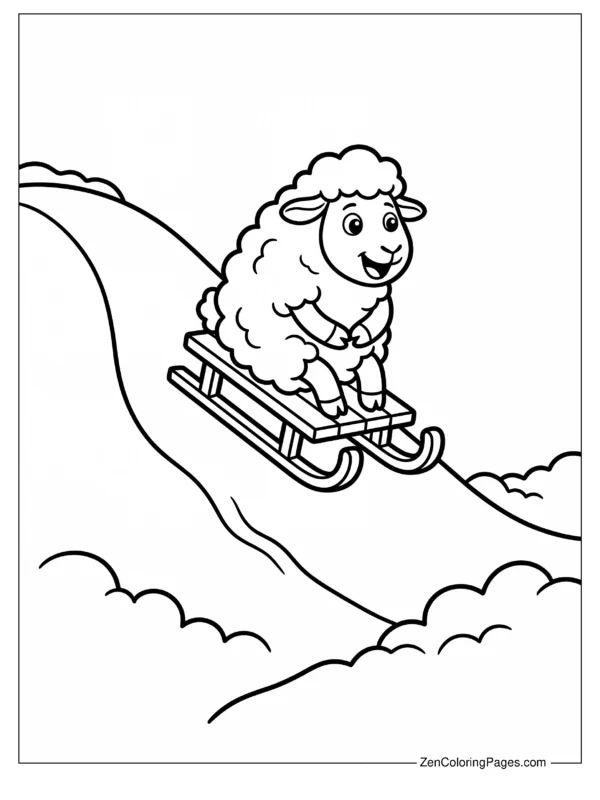
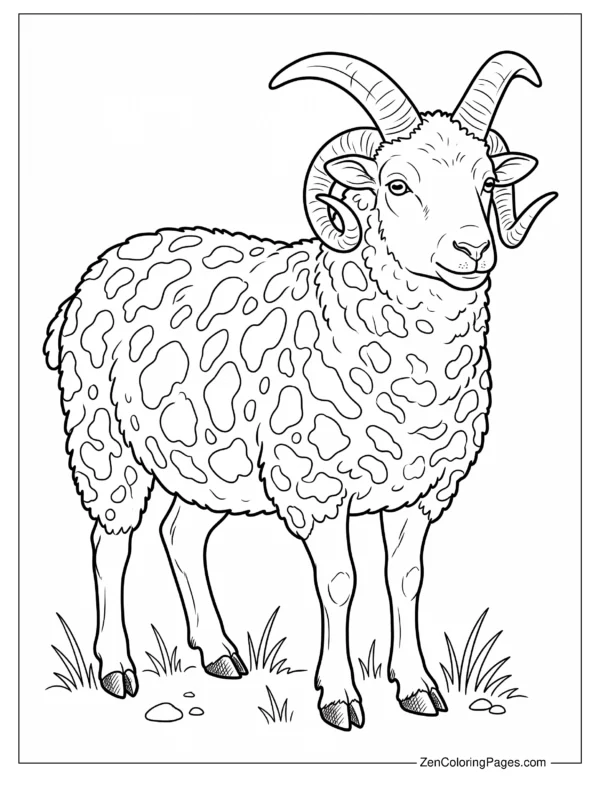
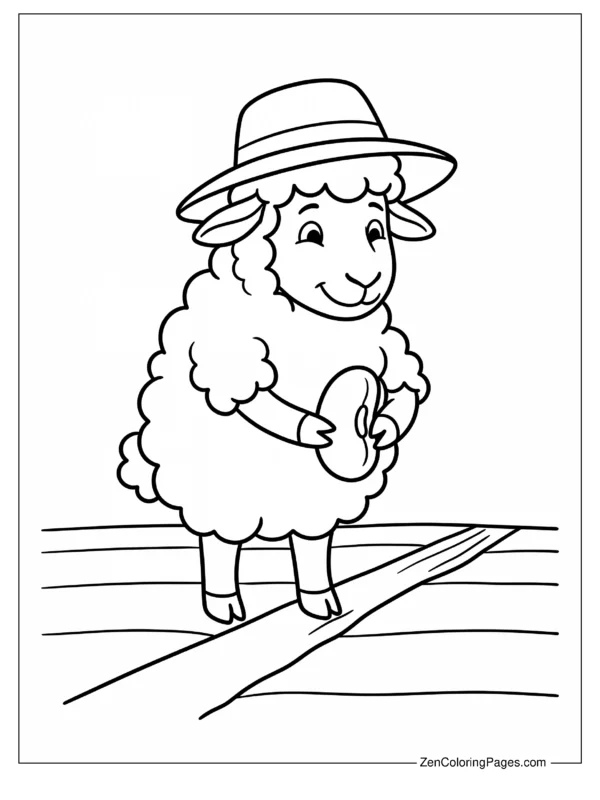
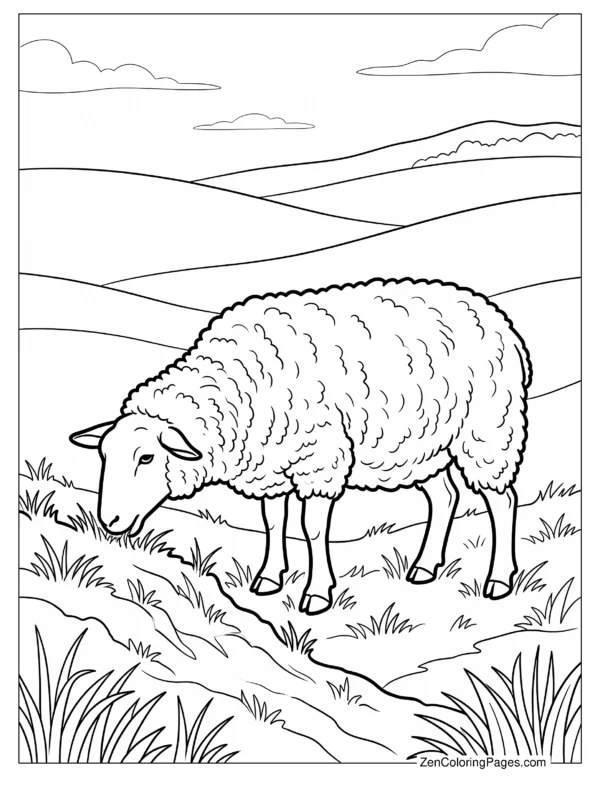
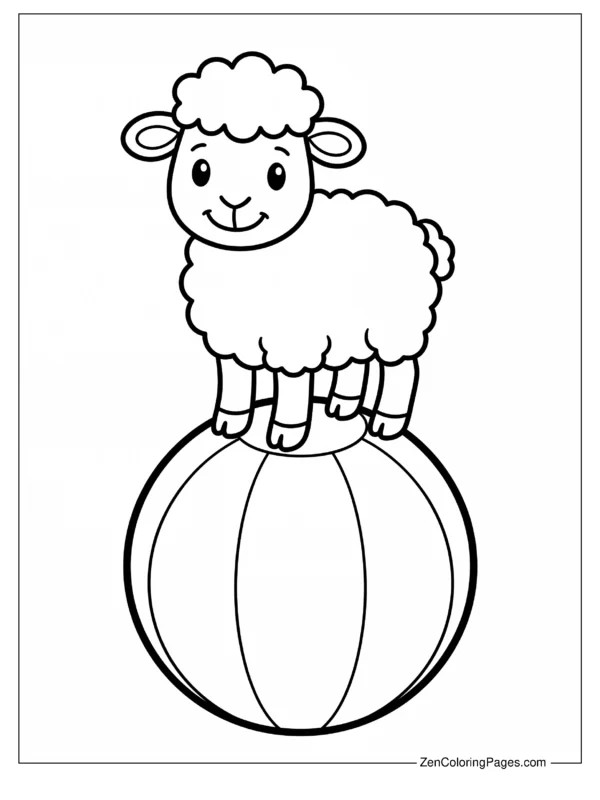
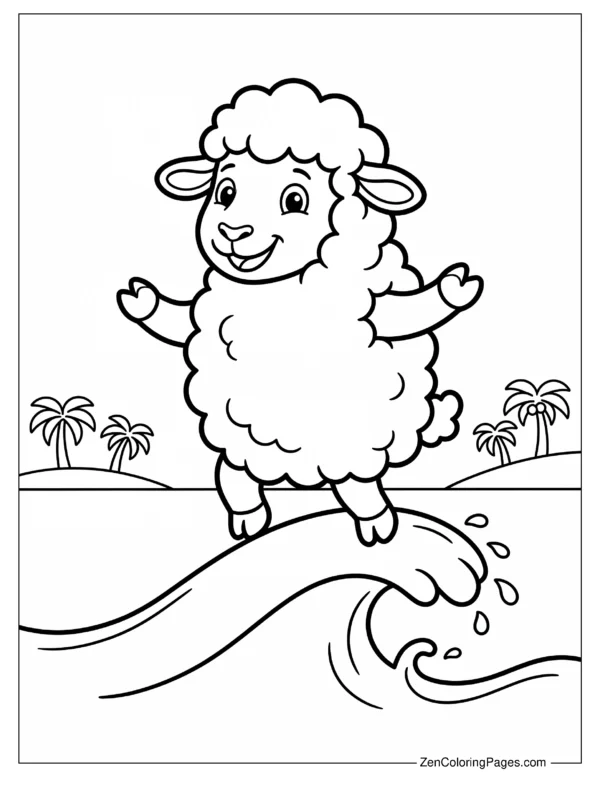
From Cute Lambs to Intricate Mandalas: Choosing Your Style
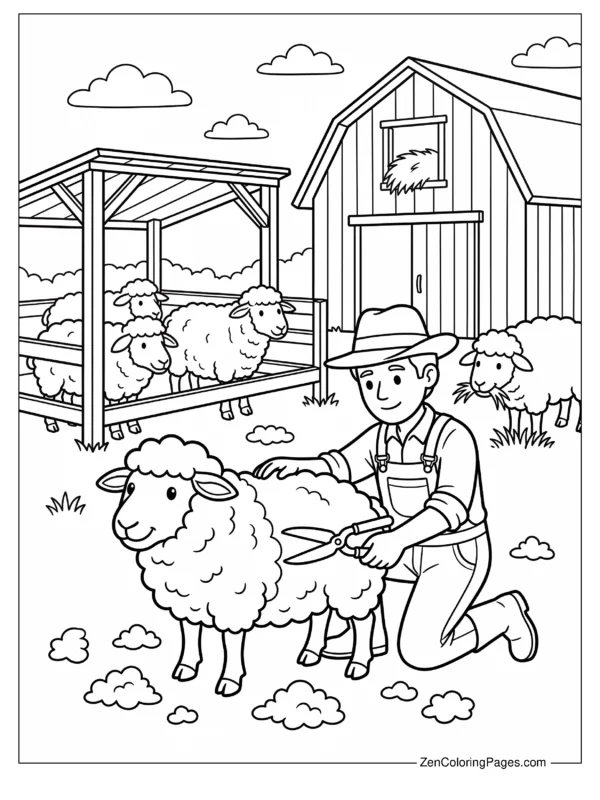
Pairing these domesticated farm animals with fun biology trivia is a great way to keep kids engaged while they work on their sheep coloring pages. Here is a fascinating detail you can share: a sheep’s fleece will grow forever if a farmer doesn’t shear it. The wool never stops growing! I always mention this fact when my niece is working on the Sheep Shearing Day on the Farm page, and it totally blows her mind. Farmers give the flock a giant haircut every spring—a fun detail to explain so kids understand how the animals stay cool in the summer.
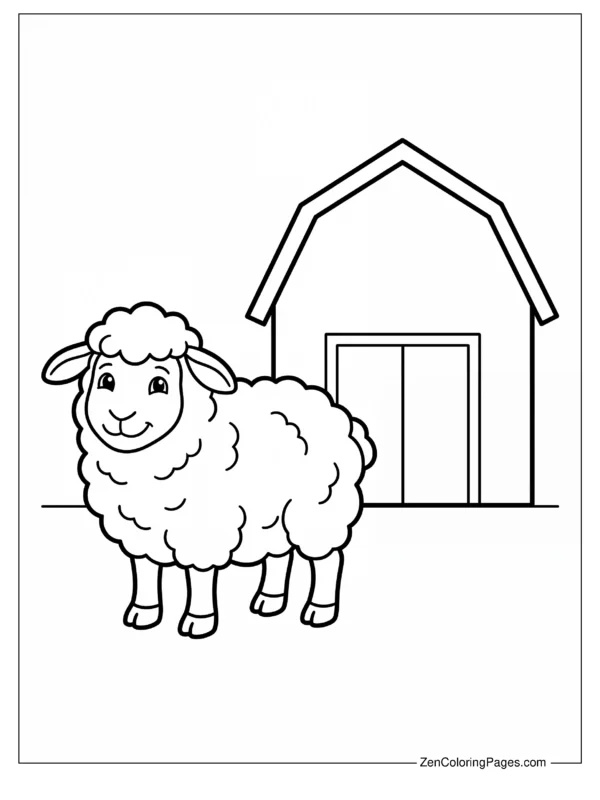
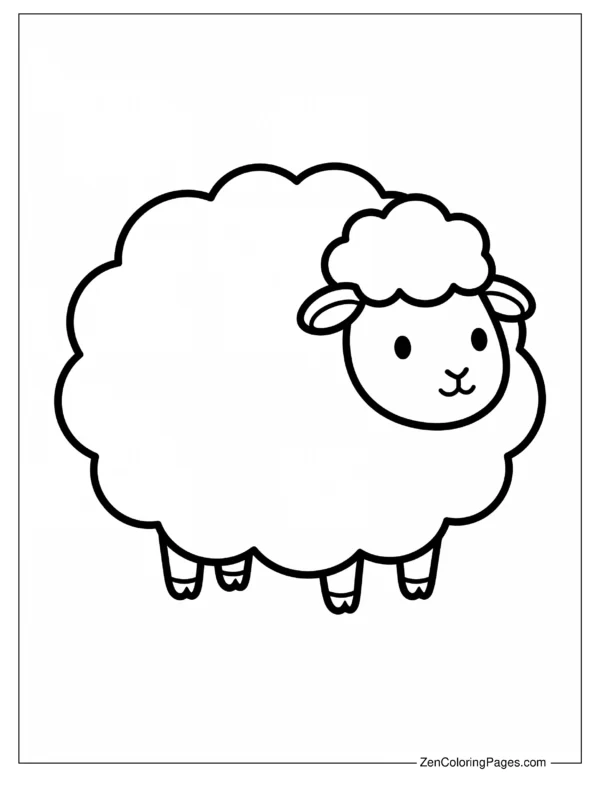
If you are working with preschoolers or kindergarteners, you have to try this tactile craft. Print out the Round Fluffy Sheep Simple Outline Coloring Sheet. Instead of just using crayons, grab a bottle of glue and some cotton balls. Ask the children to stretch the cotton out and stick it right onto the paper. Scraps of real yarn also work beautifully if you have any leftover yarn at home. This simple swap turns a basic coloring session into a sensory activity that actually builds fine motor skills. Plus, it buys you at least twenty minutes of quiet time.
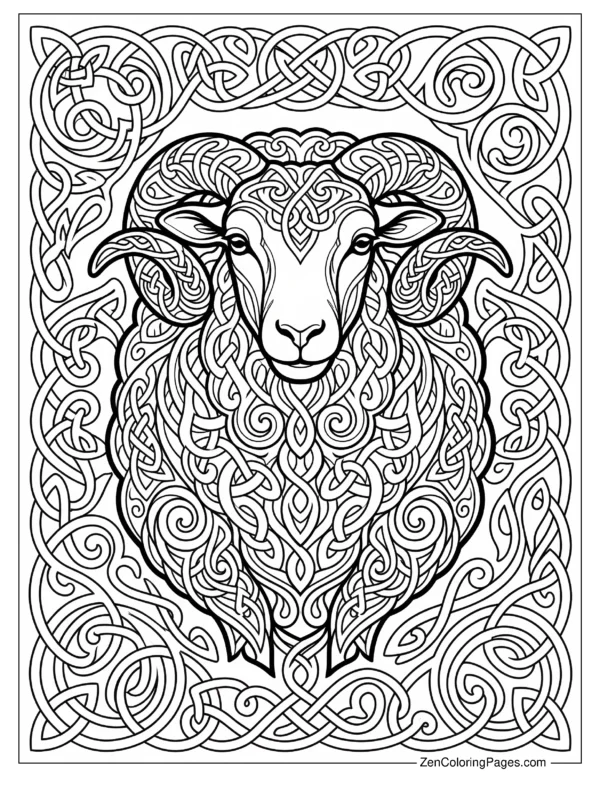
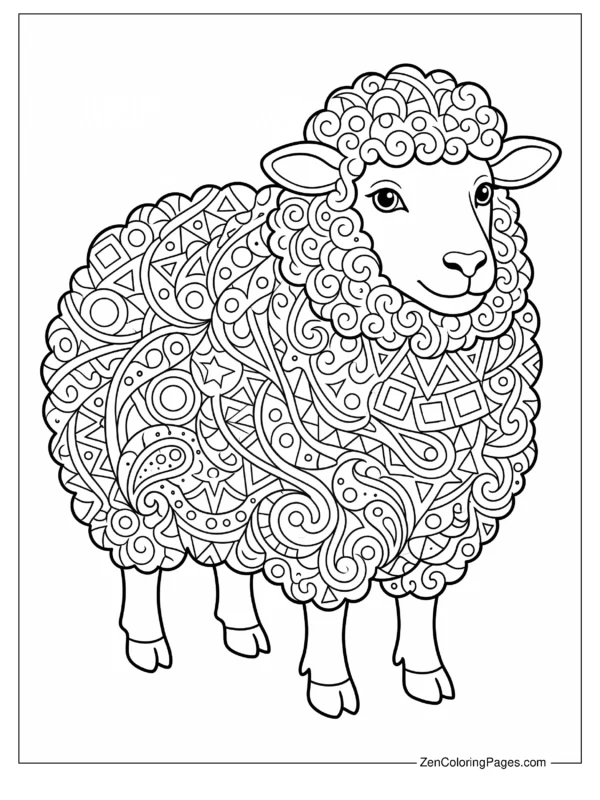
Older kids and even adults working on intricate mandala designs might get a kick out of learning about flocking behavior. When sheep feel threatened, their natural instinct is to run directly into the center of the group to stay safe. Evolutionary biologist W.D. Hamilton first proposed this in 1971 as the “selfish herd theory.” According to his research, they maintain a super tight group where the distance between them is basically just the length of one sheep. This biology lesson easily translates into a massive collaborative art project.
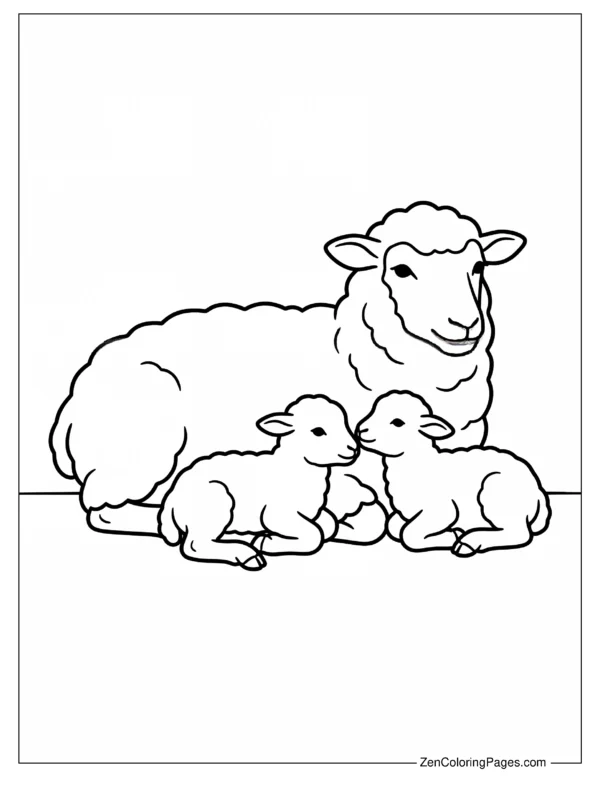
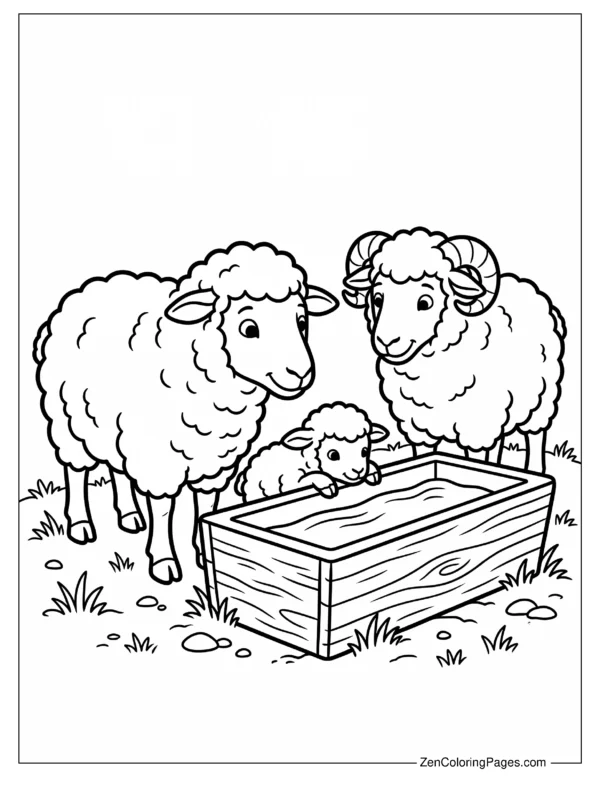
Try having your students color multiple copies of the Sheep Family Gathered Around Water Trough page. Once finished, they can cut the animals out and glue them together to make a giant classroom mural or a shoebox diorama. To take it a step further, print out some cow coloring pages so they can build a complete farmyard scene. It is honestly a game-changer for rainy afternoons when everyone is bouncing off the walls.
Techniques for Coloring Fluffy Wool Textures
Coloring a sheep so its fleece actually looks fluffy is surprisingly tricky. If anyone in the family is just pressing down hard with a white crayon in hopes of adding texture, there is a much better approach.
I learned a brilliant shading technique called ‘scumbling’ from a friend who teaches middle school art. While the term sounds fancy, it simply involves drawing lots of tiny, overlapping circles with your colored pencil. This circular motion perfectly mimics the dense, curly fleece of a real sheep. Applying this method works incredibly well on the Realistic Merino Sheep Detailed Wool Texture page. You simply keep layering those little loops until the wool looks genuinely three-dimensional.
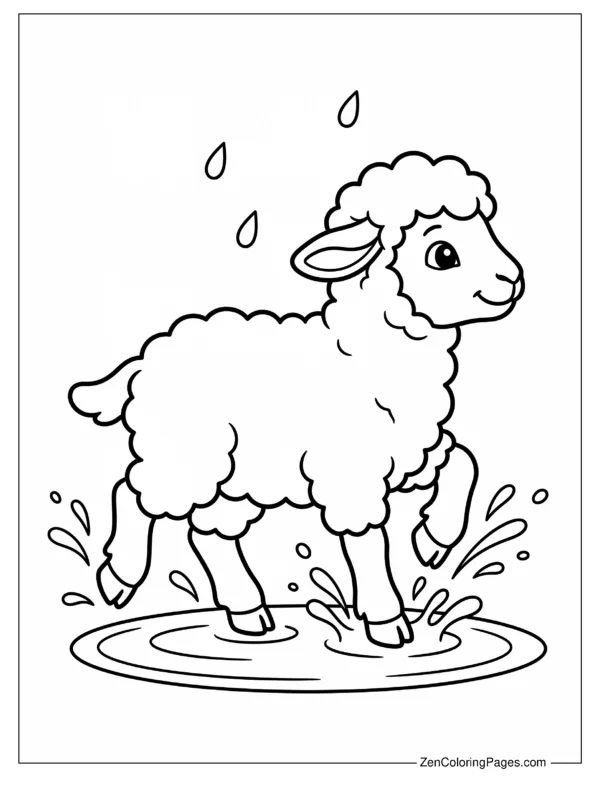
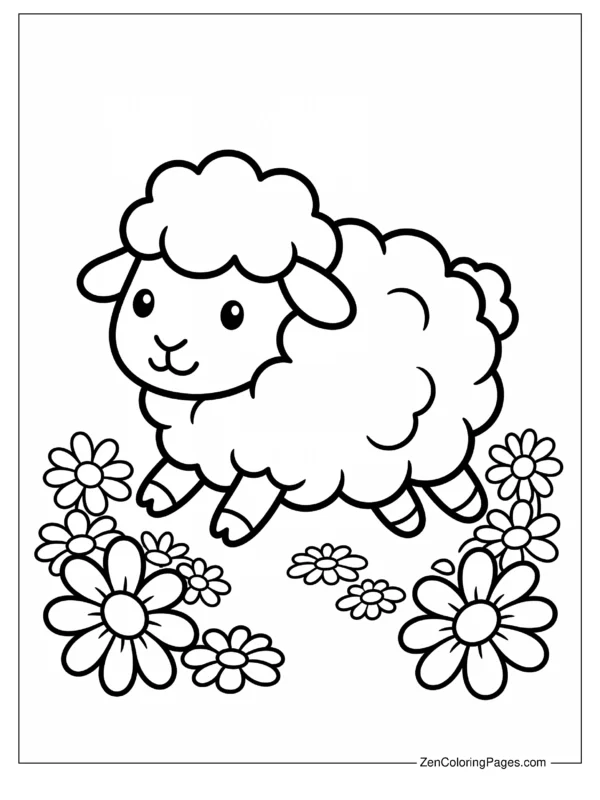
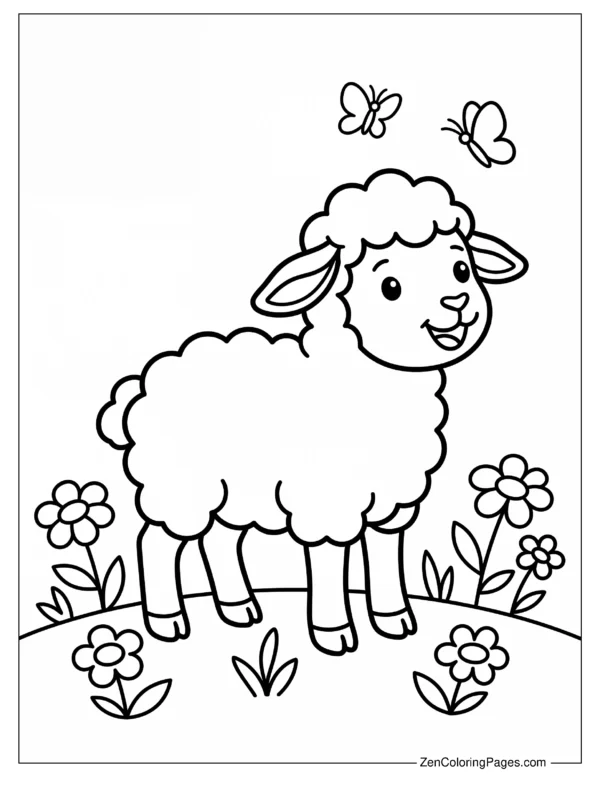
Stepping away from harsh black outlines can also transform your artwork. Leaving the sheep completely blank white makes the animal look flat, whereas outlining it heavily in black creates a messy finish. Instead, try building realistic shadows in the wool using soft creams, warm grays, and even pale blues or light purples. Adding just a touch of pale blue shadow is exactly what makes the Fluffy Sheep Bouncing Through Spring Daisies page pop right off the paper.
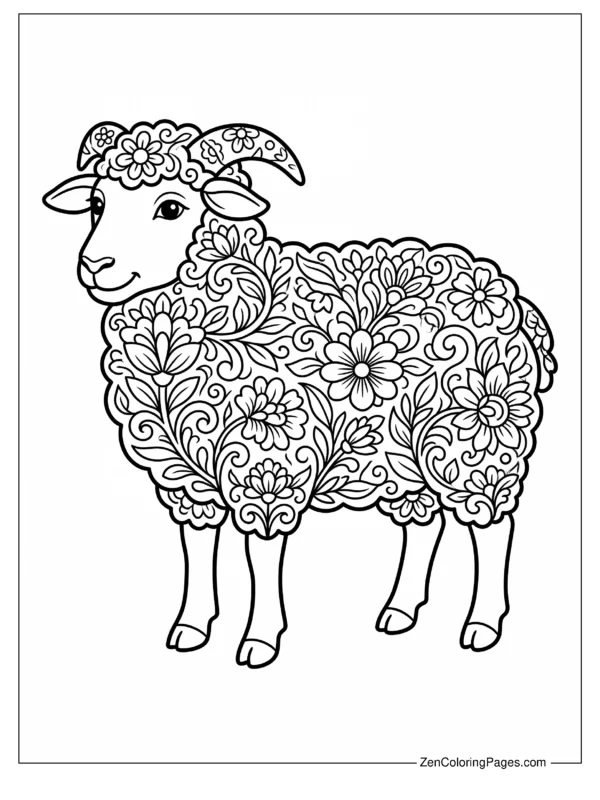
When it comes to art supplies, soft-core colored pencils are my top recommendation because they blend like an absolute dream for those soft shadows. Tackling the Intricate Floral Sheep Folk Art Design, however, calls for a different medium altogether. Breaking out the watercolors allows the pigment to flow beautifully into those tiny floral details, creating a stunning finished piece.