

Get ready for some serious farmyard fun with our collection of 35 Goat Coloring Pages, available for you to easily click and print. Did you know that goats have horizontal, rectangular pupils that grant them an incredible 320-to-340-degree field of vision? Even more fascinating is that their eyes can rotate more than 50 degrees —ten times more than a human eye— so their pupils stay perfectly parallel to the ground while they graze. They can practically see behind their own heads without turning around!
Sharing these remarkable scientific facts with kids is a wonderful way to spark their curiosity right before they bring these gravity-defying animals to life with their favorite colored pencils and markers.
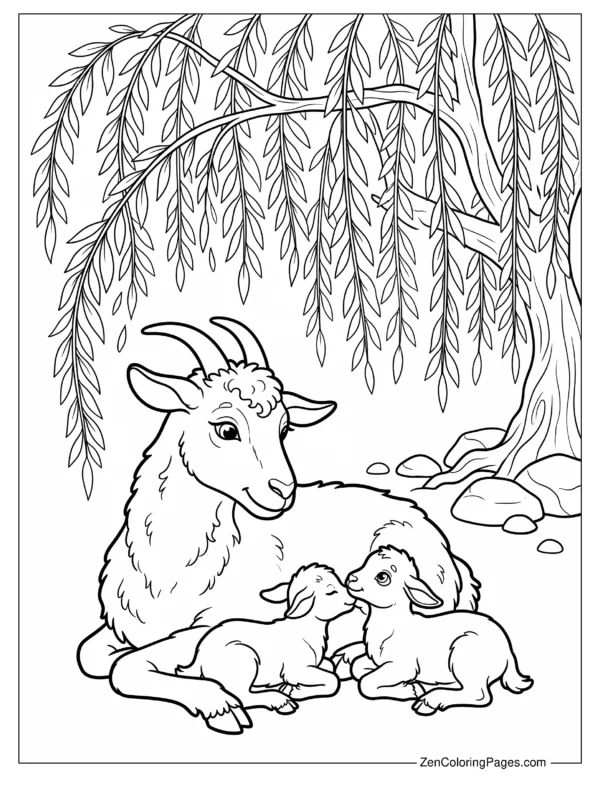
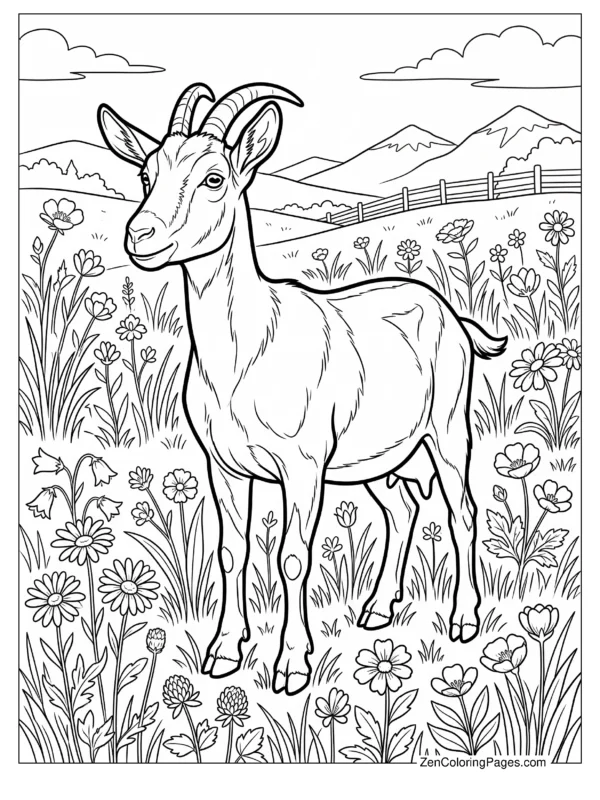
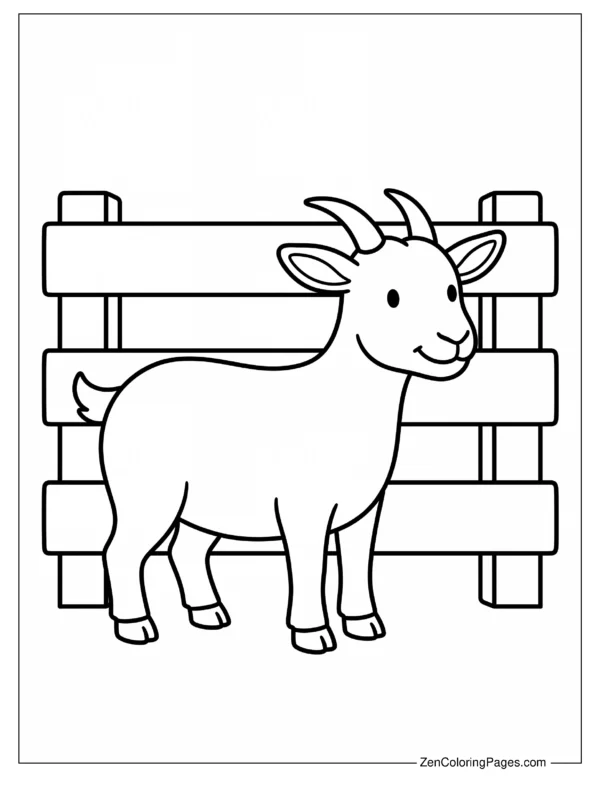
To ensure there is something for every skill level, this collection features a wide variety of beautifully illustrated themes. You will find playful baby goats (kids) prancing in meadows, classic farm scenes with tractors and barns, majestic mountain goats scaling impossible alpine cliffs, and highly intricate adult mandalas.
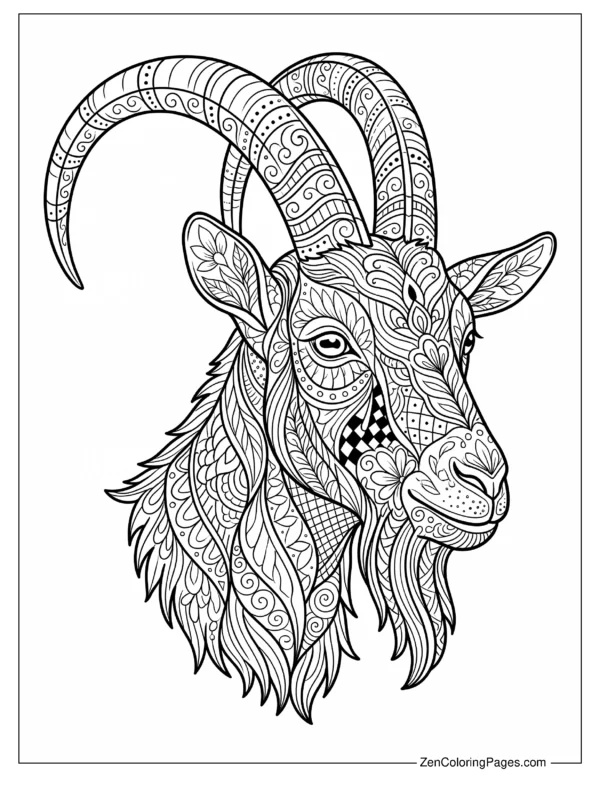
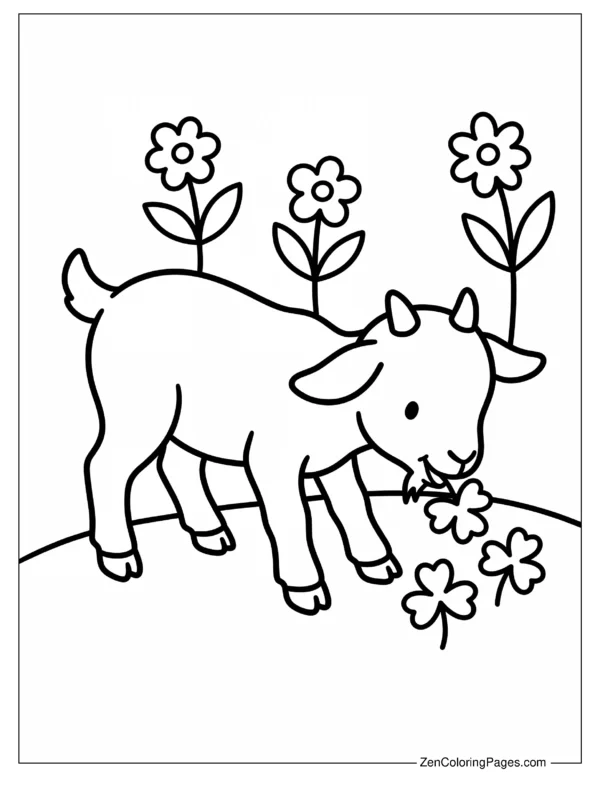
The simpler outlines, such as the adorable Baby Goat Nibbling Clover in Garden, are perfect for toddlers and preschoolers developing their fine motor skills. Meanwhile, highly detailed options like the Ornate Goat Head Zentangle Pattern Design offer a rewarding, mindful challenge for older children, teens, and adults.
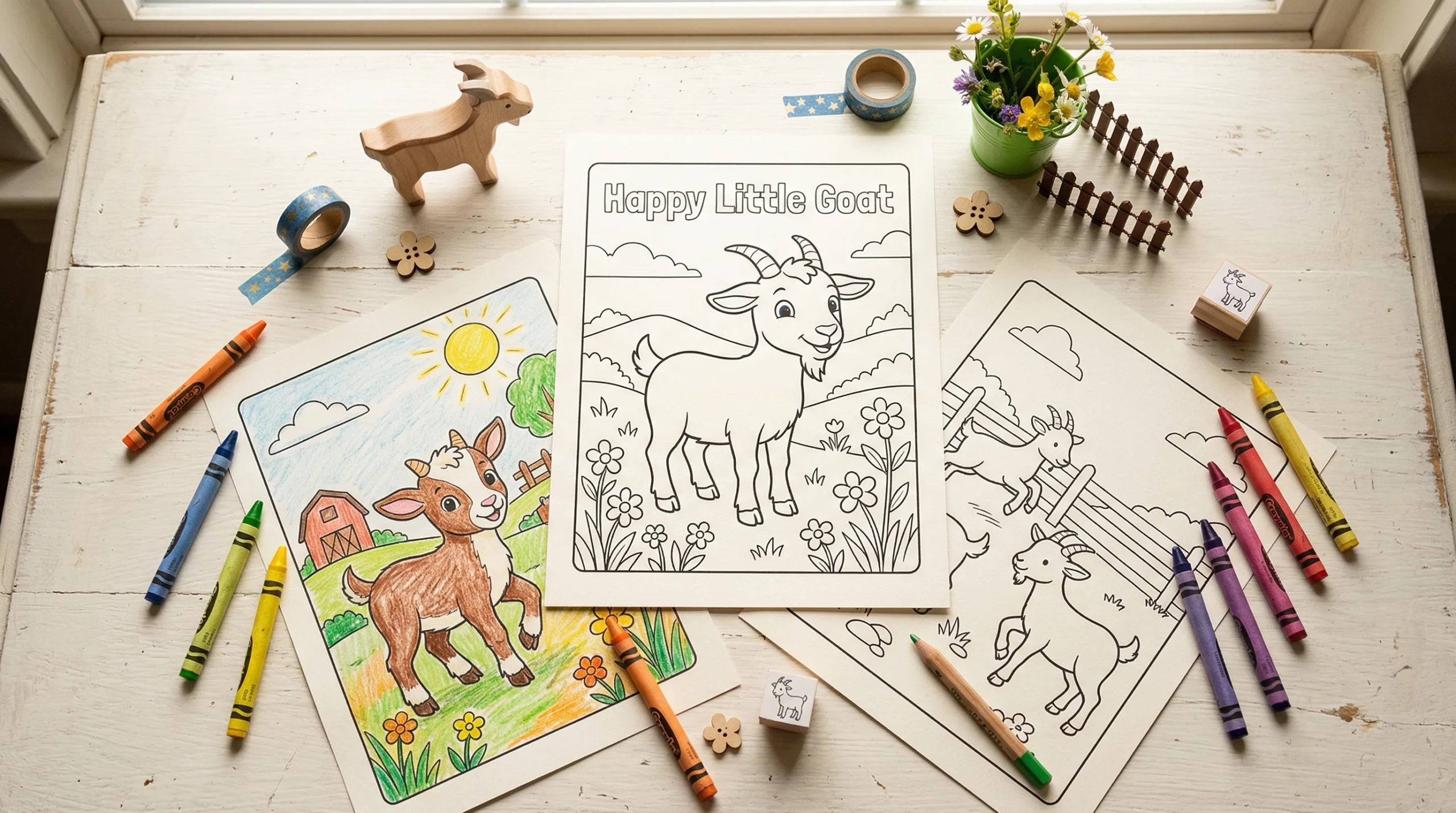
Every single design in this gallery is 100% free to download as a high-quality PDF printable. Simply browse the grid below, click on your favorite images, and print as many copies as you need. These sheets are ideal for enriching farm-themed classroom units, providing educational quiet time on a rainy afternoon, or keeping kids engaged during long car rides. Because the difficulty ranges from basic shapes to complex shading challenges, you can easily print a stack that keeps the whole family occupied. Once you have finished your farmyard masterpieces, you can always explore our massive library of animal coloring pages for your next creative project.
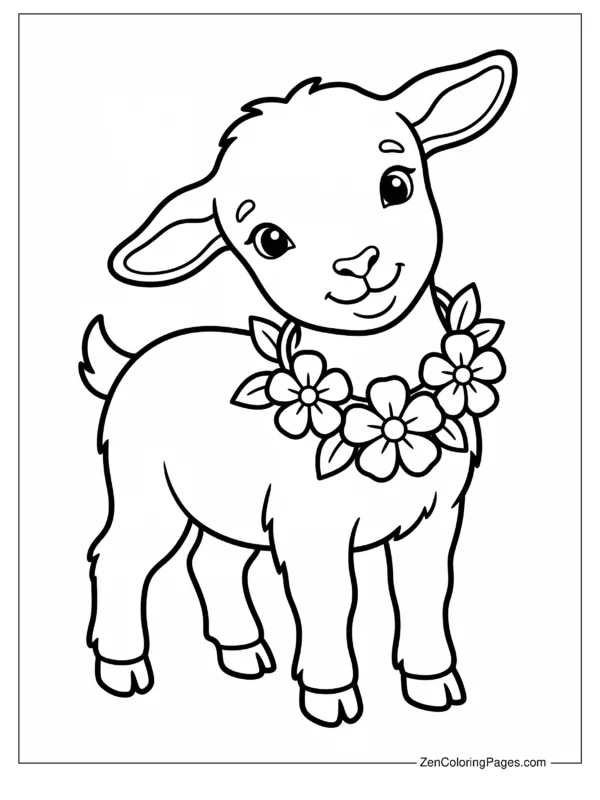
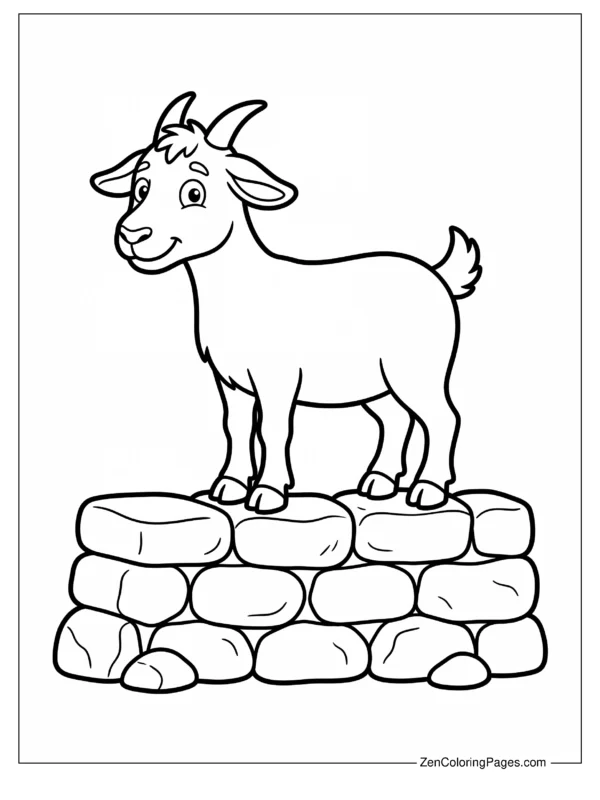
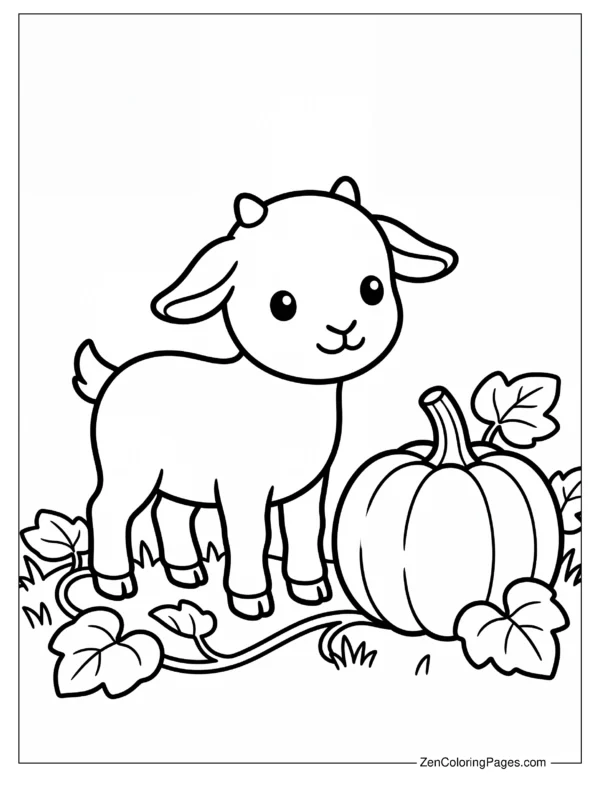
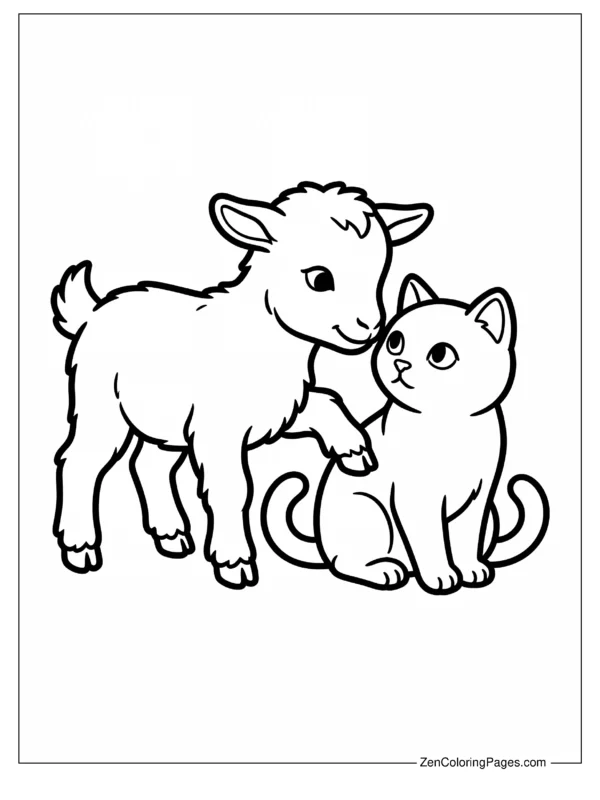
Fascinating Goat Facts to Share While Coloring
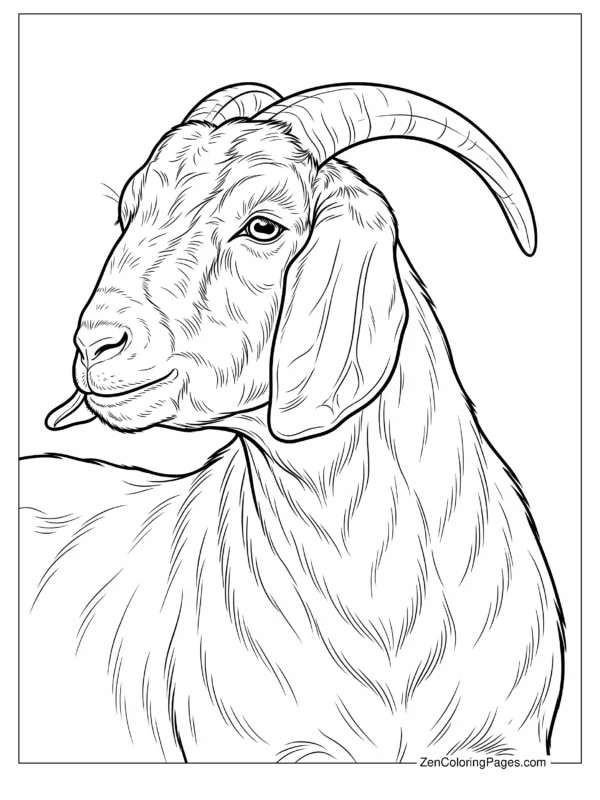
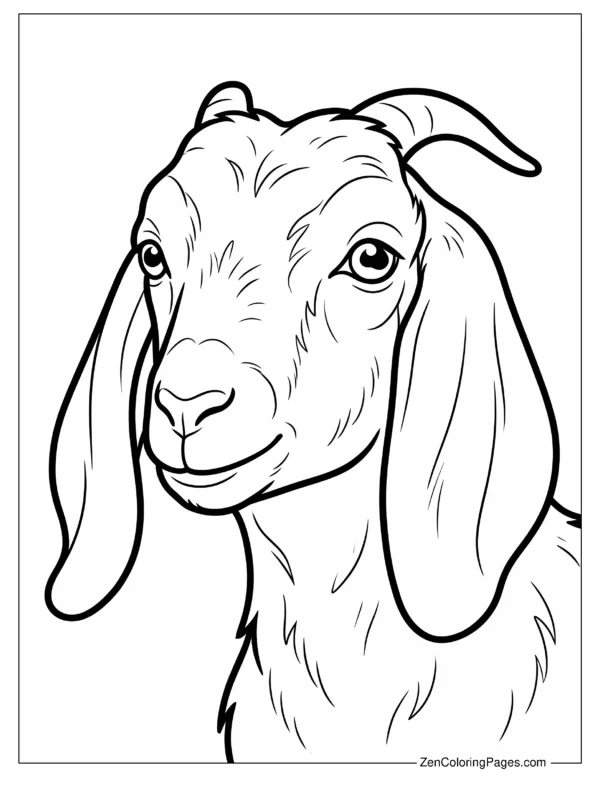
Children naturally ask insightful questions while they color. Rather than offering generic answers, you can use this creative time to share fascinating biology. After studying hundreds of reference photos to design these pages, I discovered some remarkable traits about these animals. Dropping a science fact while they work on the Detailed Boer Goat Breed Portrait Printable not only answers their questions but often buys you another ten minutes of quiet, engaged focus.
The Science Behind Their Rectangular Pupils
If you look closely at a goat’s face, you will notice their horizontal, rectangular pupils. While it might look unusual, this adaptation acts as a biological superpower. The wide rectangle provides a panoramic field of vision ranging from 320 to 340 degrees. This allows them to spot predators approaching from almost any direction without turning their heads.
The most fascinating mechanism occurs when they graze. As a goat lowers its head to eat, its eyes automatically rotate up to 50 degrees inside the sockets. This rotation keeps the rectangular slits perfectly parallel to the ground at all times. When your children reach the face on their coloring page, encourage them to draw horizontal rectangles instead of round dots for the eyes.
Gravity-Defying Mountain Goats
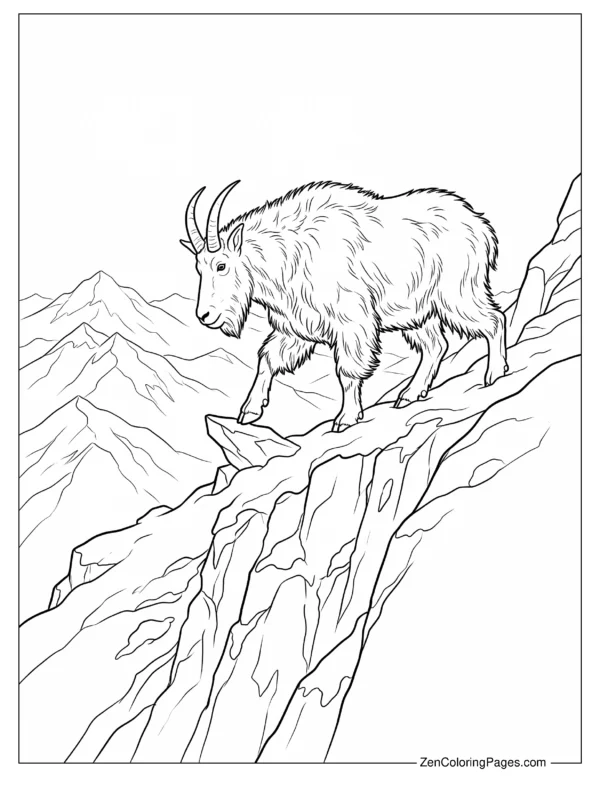
While coloring the Mountain Goat Traversing Snowy Alpine Ridge Coloring Sheet, you can explain how these animals easily navigate sheer cliffs. Mountain goats regularly climb alpine slopes steeper than 60 degrees, relying on precise anatomical adaptations rather than simple momentum.
Their hooves are highly specialized for this rugged terrain. The outer edge is extremely hard, allowing them to dig into tiny cracks in the rocks, while the center pad is soft and rubbery to grip smooth surfaces like a specialized climbing shoe. Combined with massive shoulder and neck muscles, they can pull their entire body weight up vertical ledges. Scientists even study their joints and hooves to engineer better search and rescue robots.
Unique Breed Characteristics
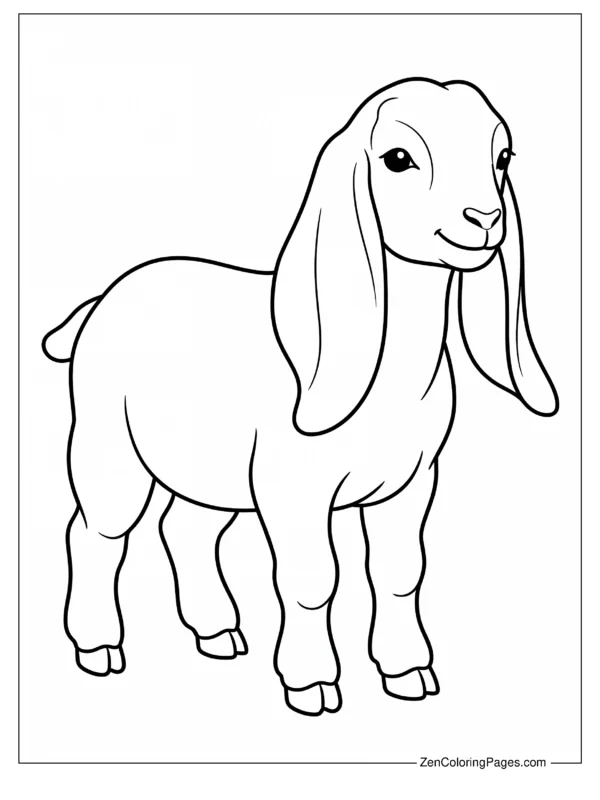
Goat breeds look wildly different from one another, which makes coloring them an excellent opportunity to discuss physical adaptations. Take the Nubian Goat Portrait With Long Ears, for example. Nubians feature distinctively large, floppy ears and a curved Roman nose that gives them a regal profile.
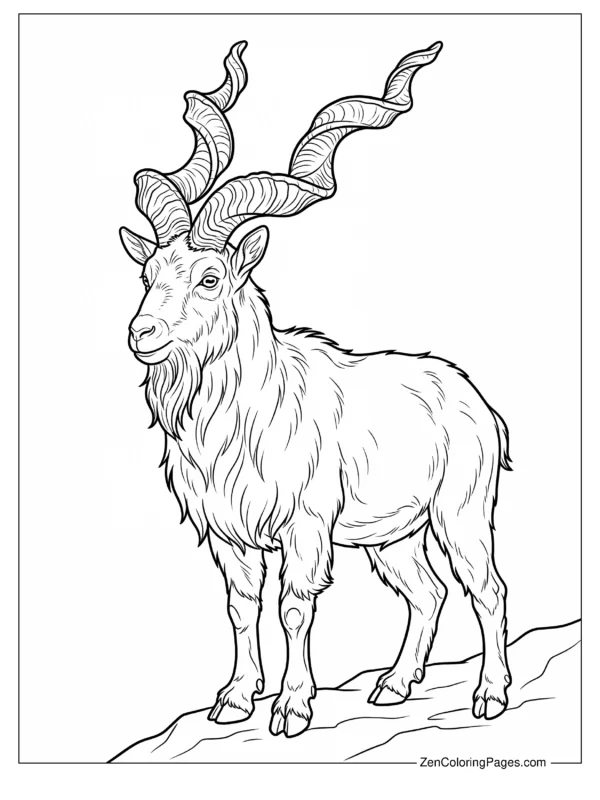
Alternatively, Angora goats are covered in long ringlets of curly hair called mohair. For a tactile activity, children can glue cotton balls over the printed fleece to create a 3D texture. For a striking visual, look at the Markhor Goat With Spiral Twisted Horns. The males grow massive, corkscrew horns that look almost mythical. Discussing these variations is a wonderful way to teach children how animals adapt to distinct environments through art.
From Playful Kids to Majestic Mountain Goats
With 35 pages to scroll through, finding the exact right vibe for your art project can feel a bit chaotic. Six years of doing this taught me that dumping a huge, unorganized list of images just overwhelms people (and honestly, it overwhelms me too). So I broke this collection down into three main themes to help you grab exactly what you need without losing your mind.
For the Toddlers: Baby Goats
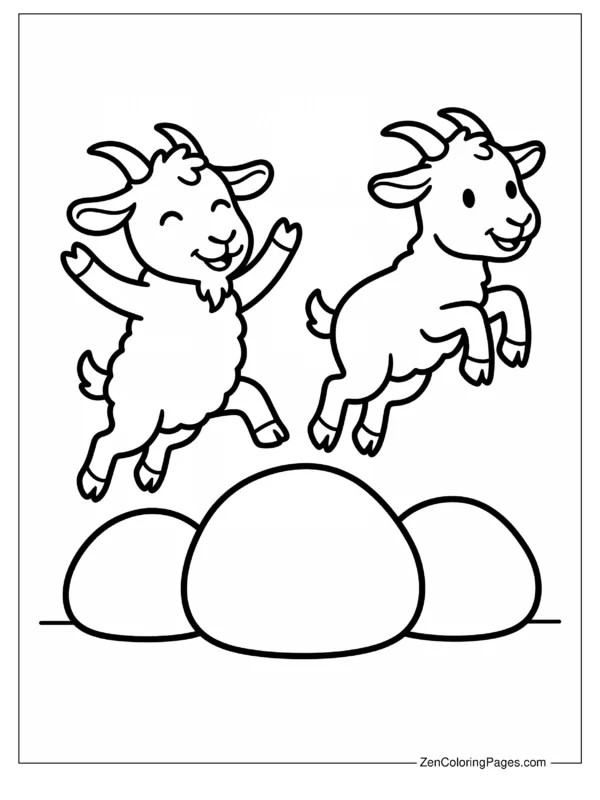
Let’s start with the Baby Goats section. If you have a toddler who is still mastering their crayon grip, this is your perfect starting point. Featuring nice, thick lines and super simple designs, these printables ensure little ones won’t get frustrated by tiny details. The Two Playful Kids Jumping on Rocks is a massive hit with the preschool crowd. I also included the Goat Kid Playing With Barn Cat—and to sneak in a quick biology lesson, you can point out the long, floppy ears of the Nubian goat breed featured in some of these simpler portraits.
Classic Farm Life Scenes
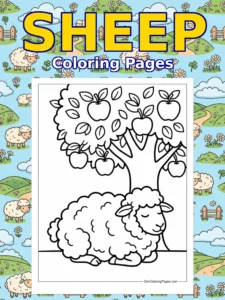
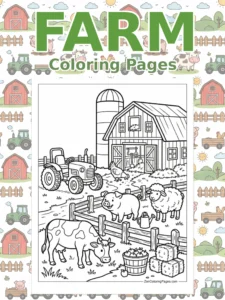
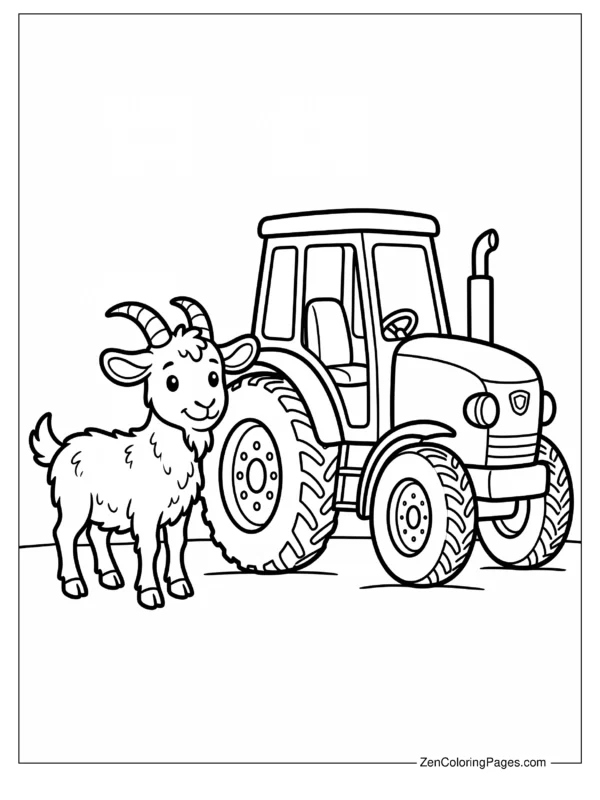
Next up is the Farm Life category, which delivers that classic barnyard feel where goats interact with barns, fences, and other animals. For kids currently obsessed with heavy equipment, the Farm Goat Beside Red Tractor Scene is an absolute favorite that provides a great excuse to break out bright red and green crayons. While coloring, you can talk about the Angora breed, which produces incredibly soft mohair. If your kids love texturing those curly coats, they might also enjoy our fluffy sheep coloring pages to compare the different types of farm animal fleeces.
Wild and Mountain Action
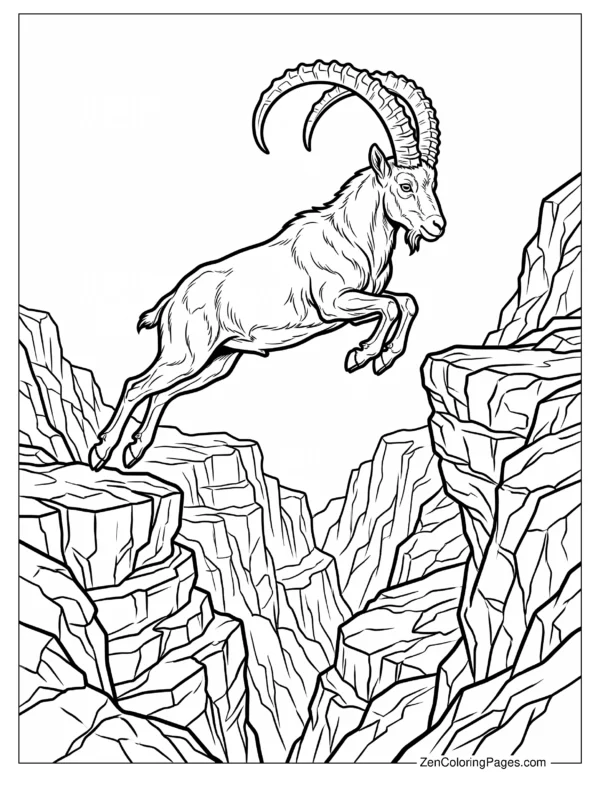
Finally, our Wild and Mountain category caters to older children who have the patience for detailed lines and want something a bit more dramatic. Mountain goats are basically the parkour experts of the animal world, making these action-oriented scenes thrilling to color. The Ibex Goat Leaping Across Rocky Canyon stands out as one of the coolest designs in the bunch, alongside the striking Markhor Goat With Spiral Twisted Horns. As they shade the rocky cliffs, you can explain how mountain goats survive high in the alpine: their special two-part hooves act like rock-climbing shoes, with two toes that spread wide for balance and rough, textured center pads that grip the stone like rubber.
Expert Tips for Coloring Realistic and Mandala Goats
When it comes to bringing these goat coloring pages to life, especially the more detailed illustrations, having a game plan for textures makes a massive difference. After creating hundreds of these designs, I’ve found a few specific techniques that work beautifully for different breeds and environments.
Coloring Realistic Mountain Environments
Take the Mountain Goat Traversing Snowy Alpine Ridge Coloring Sheet. To make that high-altitude background feel authentically freezing, I suggest sticking to a strict color palette. Think cool grays and icy blues for the deep shadows in the snow, paired with rich, earthy browns for the steep rocky terrain. This creates a striking contrast against the stark white of the goat’s coat, making the whole scene look like a true-to-life wildlife photograph.
Shading Textured Angora Fleece
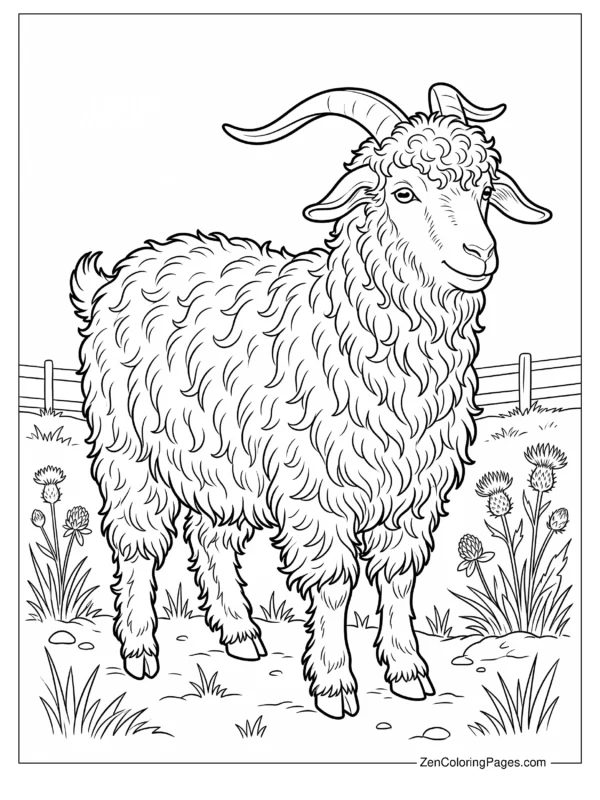
Then you have the Angora Goat With Flowing Curly Fleece. Because Angora goats grow a distinct, ringlet-like hair called mohair, capturing this texture requires a specific approach. To make it look realistic, put down the broad markers and grab your sharpest colored pencils.
The trick is to shade using small, overlapping loops rather than coloring straight across the page. Follow the natural crimp and curl of the illustration’s lines, using natural shades like light tans, soft blacks, and creamy yellows to build up a three-dimensional texture. Keep the face and legs completely smooth, allowing the body to look exceptionally fluffy.
Coloring Intricate Mandala Designs
Finally, for adults or very patient older children, we have the Ornate Goat Head Zentangle Pattern Design. Standard crayons are often too thick for these delicate spaces, making it difficult to stay within the lines.
Instead, you will want fine-tip markers or gel pens to truly make those tiny geometric patterns pop. Gel pens are particularly effective here because the ink sits right on top of the paper, giving the intricate details an almost stained-glass effect. Just remember to place a scrap piece of paper underneath your work if your markers are heavily inked, which prevents any accidental bleed-through onto your table.
Creative Ways to Use Your Goat Printables
Once your goat pages are colored and dry, there are plenty of creative ways to give them a second life beyond the fridge door.
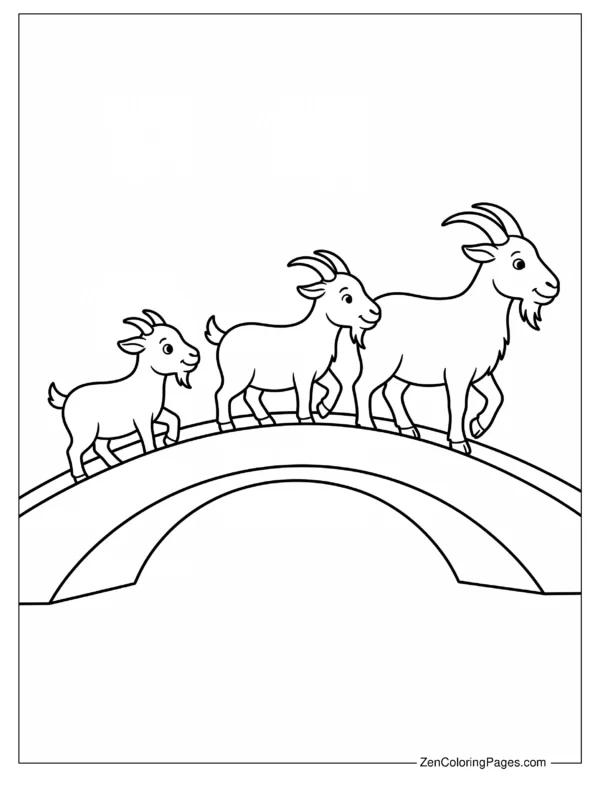
If you have preschoolers, the Three Billy Goats Crossing Arched Bridge page is practically a ready-made activity. Instead of just displaying the finished artwork, children can cut the characters out and use them as visual props while reading the classic folktale. Educational research shows that incorporating physical manipulatives significantly improves story recall and sequencing skills in early learners, giving them a hands-on way to retell the narrative themselves.
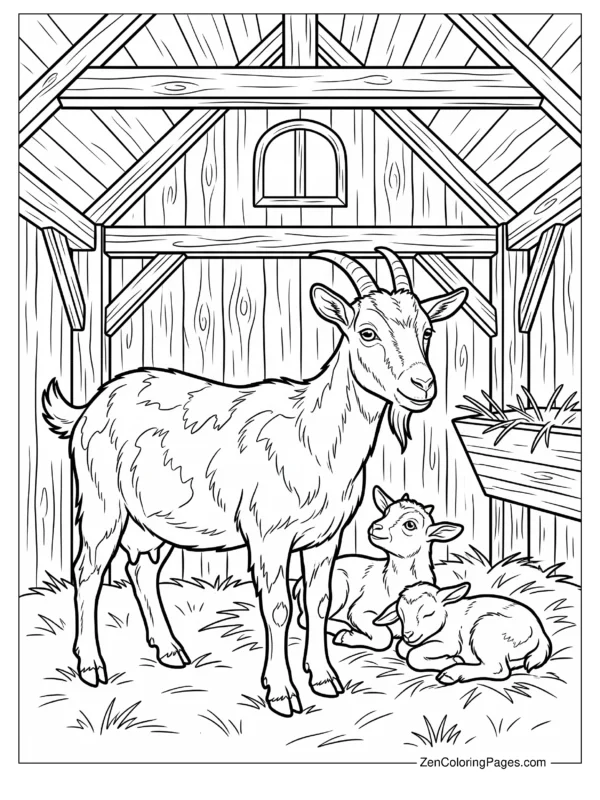
Another option is building a larger, interactive farm scene. Students and families love extracting the animals from the Goat Family Sheltering Inside Rustic Barn page to construct a barnyard wall mural or a 3D cardboard box diorama. To expand the project, try printing those alongside some cow coloring pages to create a diverse agricultural habitat. Constructing a diorama is a wonderful weekend family activity that easily fills a rainy Sunday afternoon.
For adults and patient older children, the detailed pages make surprisingly good decor. Once filled in with fine-liner pens or vibrant colored pencils, the Ornate Goat Head Zentangle Pattern Design looks incredible. Placing the finished piece in a simple wooden frame instantly creates rustic farmhouse wall art for a kitchen or hallway. It offers a beautiful, personalized touch to your home styling. If you want to explore more wildlife to feature in your gallery, check out our massive library of animal coloring pages.