

Did you know a single honeybee visits up to 100 flowers in one trip? These 40 free bee coloring pages are the perfect way to celebrate such amazing little pollinators. It is honestly mind-blowing how much work these tiny insects do every single day just to keep our gardens growing.
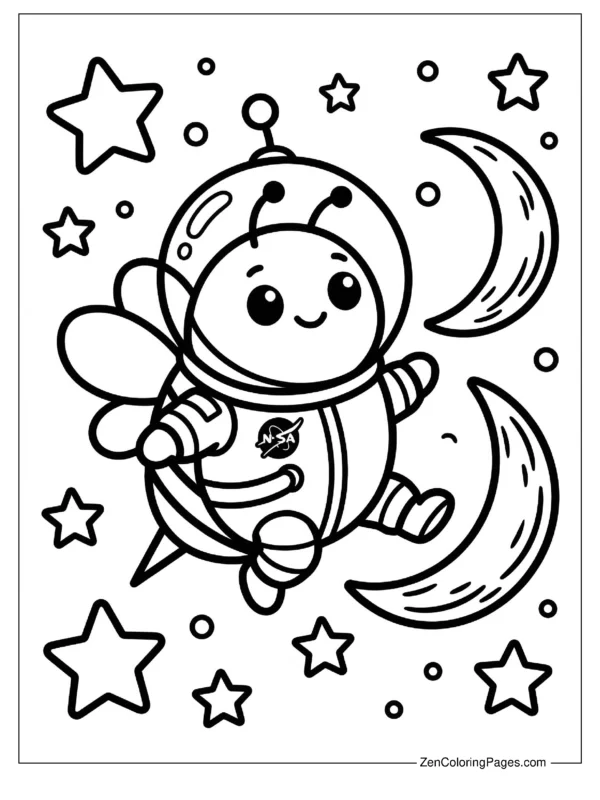
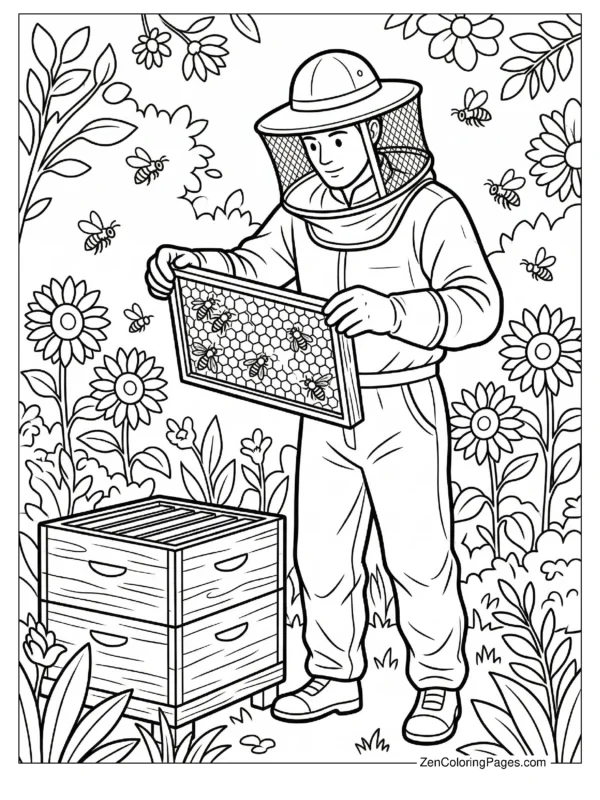
I put together a massive collection of unique designs so kids won’t get bored after five minutes. You’ll find everything from realistic nature scenes like Worker Bees Inside the Hive to totally goofy stuff like a Bee Astronaut Exploring Outer Space (because why not). I made sure to include a really solid mix of difficulty levels.
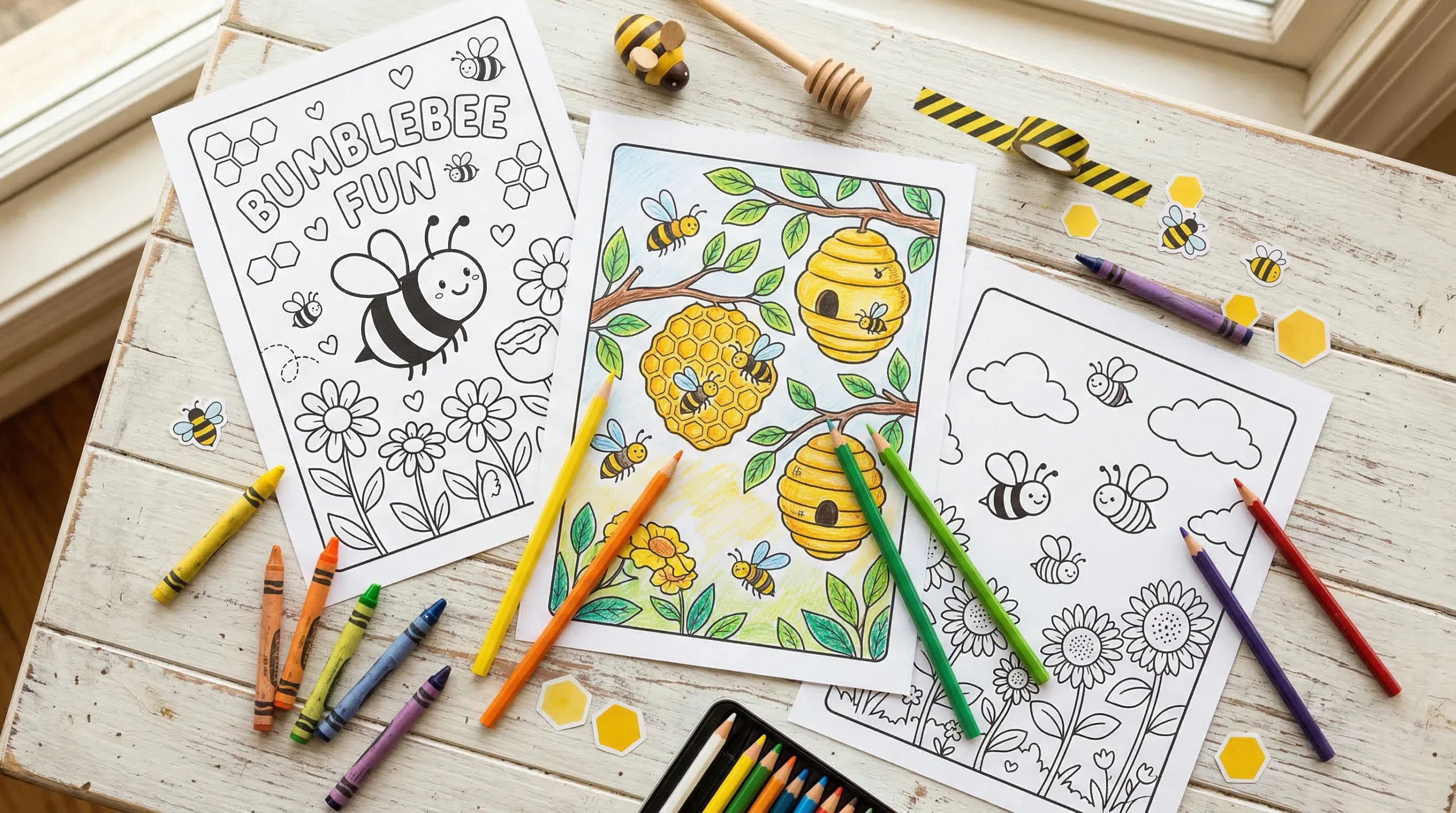
Every single page is 100% free to download as a PDF printable. These are a total lifesaver for spring classroom activities, rainy day crafts, or just when you need some quiet weekend time to drink your coffee. There are super easy outlines for toddlers and medium-difficulty pages for older kids (and adults who want to zone out). If your kids blow through these too fast, we also have tons of animal coloring pages you can check out next.
Fascinating Bee Facts to Share While Coloring
Children often ask endless questions when they have crayons in their hands. After six years of making these bee coloring pages for my niece and her friends, I’ve realized that having a few cool facts in your back pocket is a total lifesaver. Sharing this trivia keeps kids engaged much longer and turns a quiet art activity into a mini science lesson.
The Secret Insect Language
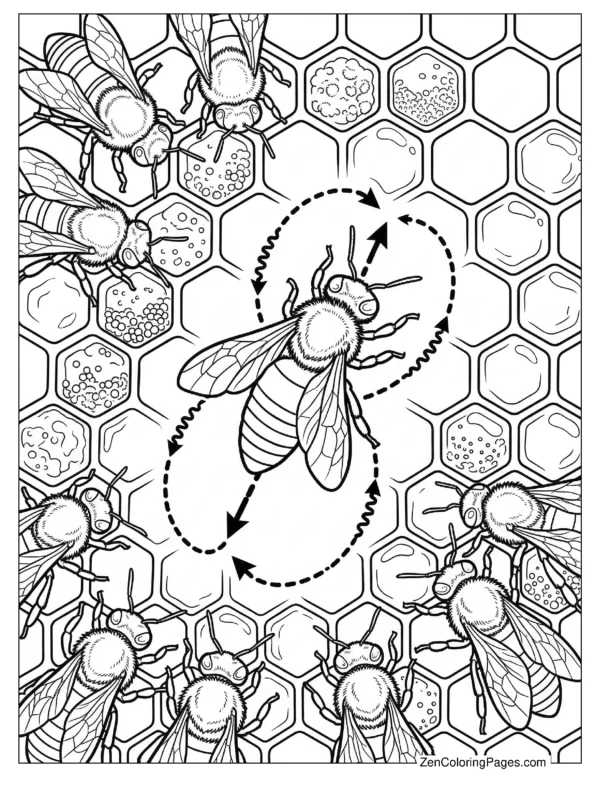
If your student or child is working on the Bees Dancing Waggle Dance Communication Coloring Page, you have to tell them about this behavior. Honeybees perform a figure-eight wiggle to tell their hive mates exactly where the best nectar sources are located. Rather than a secret bug language, it is a complex mathematical dance. By calculating the angle of the sun, these tiny insects give precise directions even in the pitch dark of the hive.
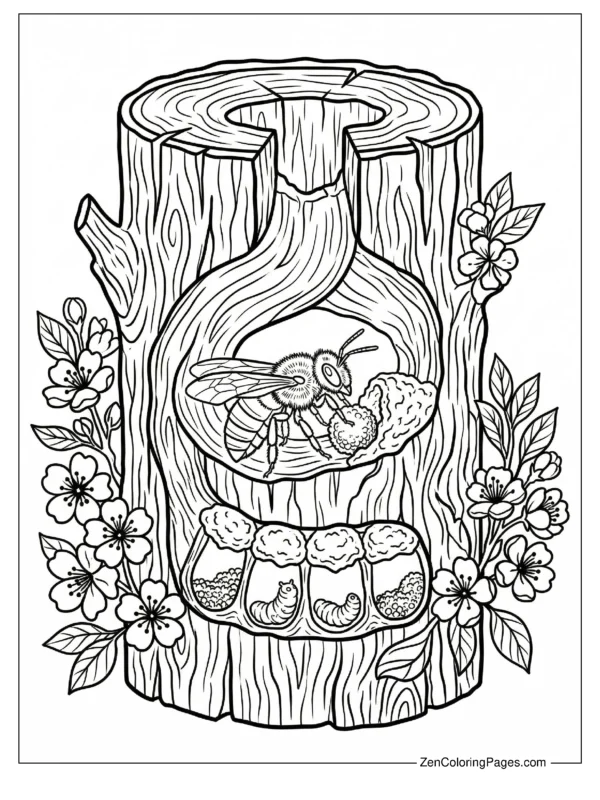
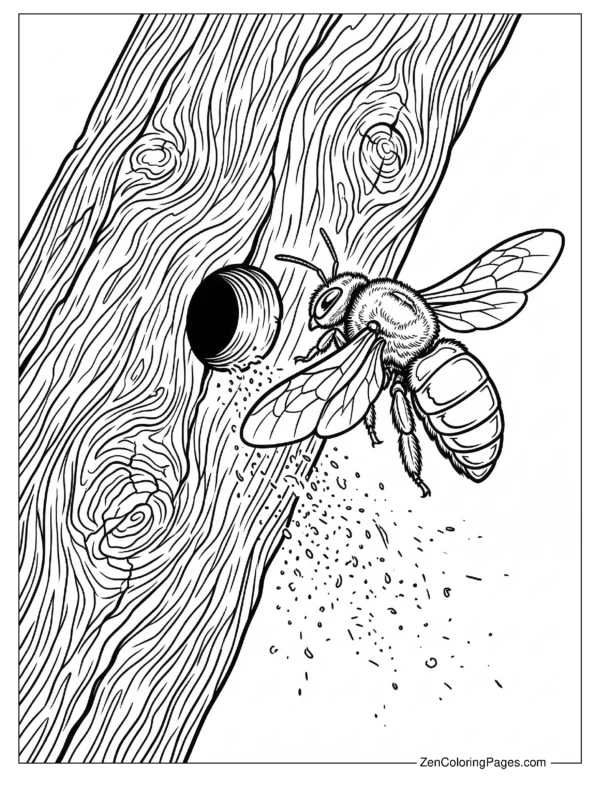
Furthermore, not all bees are the same. We included several different species in this collection because they each play unique roles in our ecosystem. You will spot classic honeybees, chubby bumblebees, and even solitary pollinators. The Mason Bee Nesting in Hollow Log page offers a great chance to explain that some species don’t live in giant swarms; instead, they prefer a quiet little tunnel to themselves.
Making the Sweet Stuff
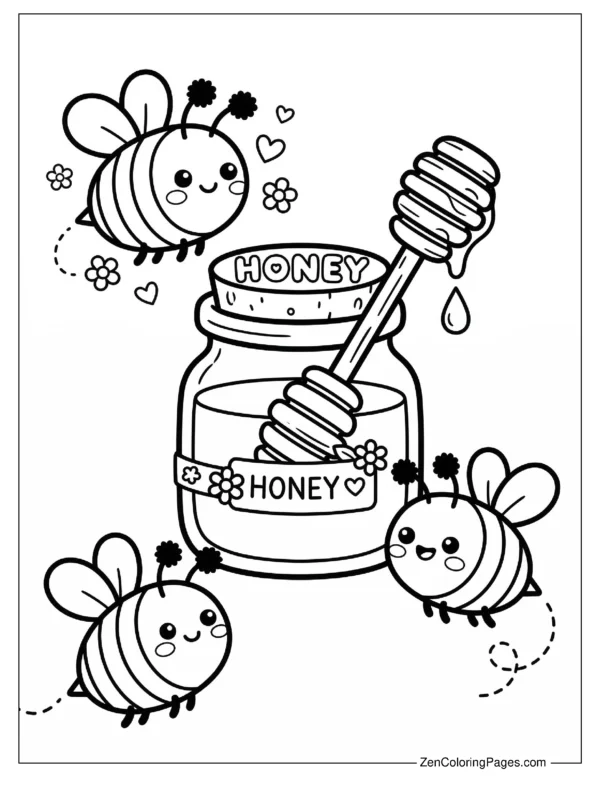
Have you ever wondered how these colonies actually make honey? When your kids are filling in the Worker Bees Inside the Hive Coloring Sheet, share this surprising statistic. It takes roughly 12 worker bees foraging their entire lifetimes to gather enough nectar for just one single tablespoon of honey. Foragers collect the sweet liquid, bring it back to the colony, and pack it into perfect hexagonal honeycombs to save for winter.
Beyond making honey, their most critical job is pollination. Here is the kid-friendly explanation I use when discussing ecology. Whether your child is working on our insect sheets or flower coloring pages, you can explain that as real bees fly from blossom to blossom looking for food, their fuzzy bodies get covered in yellow pollen dust. Dropping that dust on the next plant helps grow new seeds, apples, pumpkins, and berries. In fact, about one out of every three bites of food we eat is thanks to these little pollinators, which is truly amazing.
From Realistic Hives to Astronauts: Choosing Your Printables
With a massive collection of 40 bee coloring pages available, handing a child a giant stack of printables can feel a bit overwhelming. To ensure these sheets actually get colored instead of ending up crumpled in the recycling bin, it helps to match the design to your child’s current developmental stage and interests. Let me break down how to pick the perfect ones.
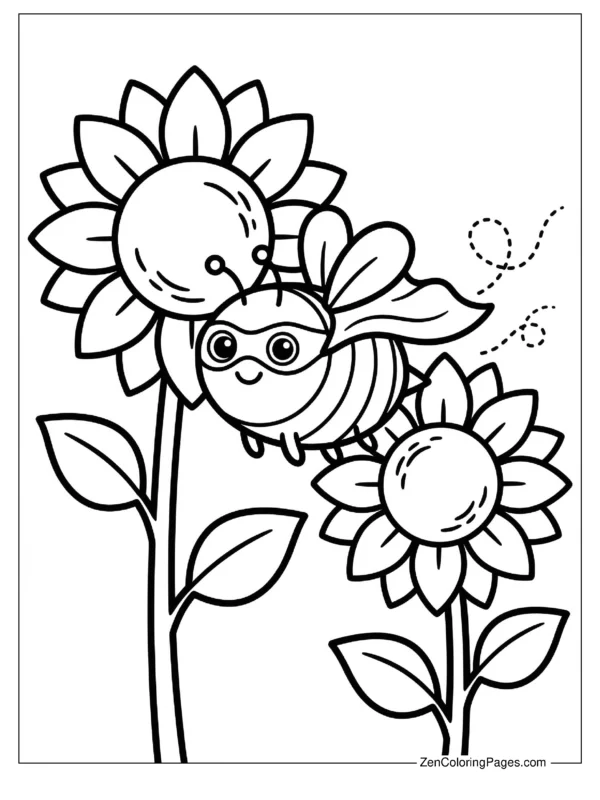
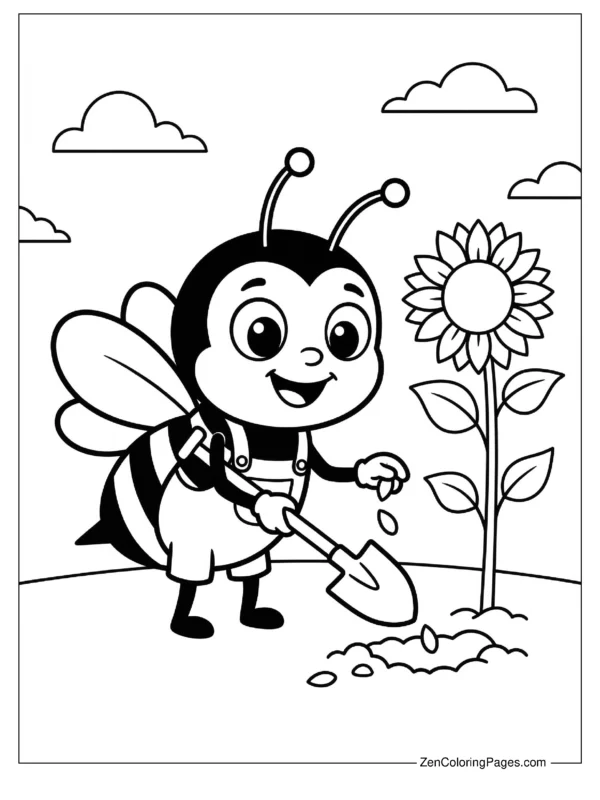
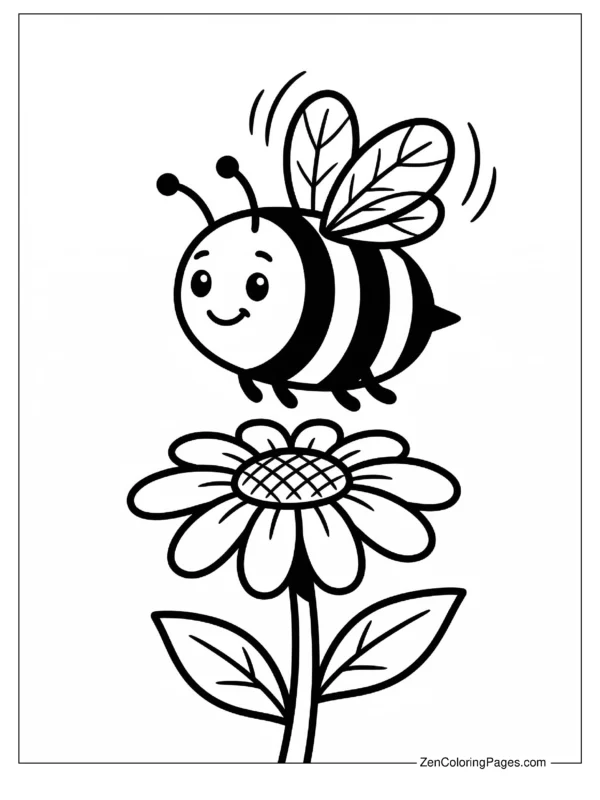
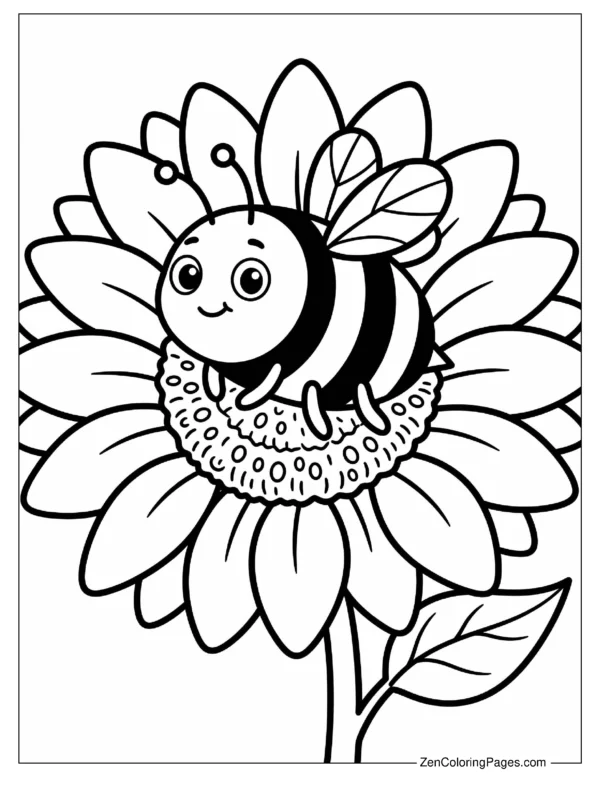
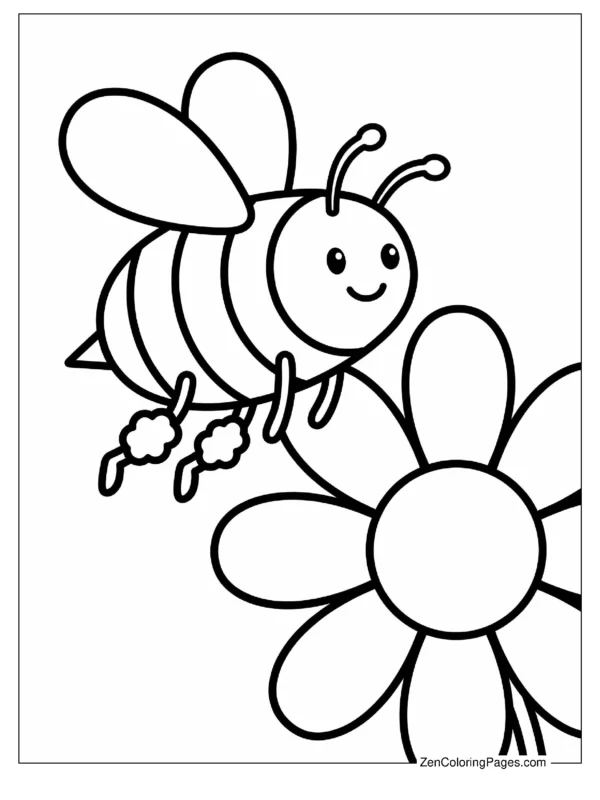
For toddlers and preschoolers (ages 2-4), stick to the easy pages featuring super thick lines and large open spaces. These bold outlines are intentionally designed to help little hands develop early fine motor control without the frustration of staying inside tiny details. The Chubby Bee Resting on Sunflower Coloring Page is always a massive hit with the younger crowd, and kids who love floral scenes might also enjoy our daisy coloring pages. Grabbing a yellow crayon and going to town on these simpler shapes builds enough focused hand-eye coordination to usually buy me about 30 minutes of quiet time.
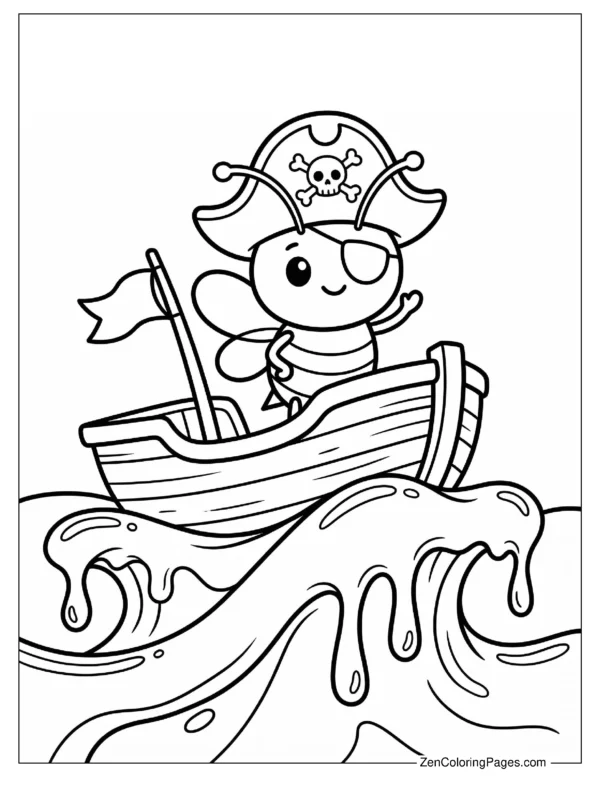
Now, if your children are anything like my niece, they might get bored of regular insects pretty fast. That’s exactly where the imaginative collection comes in handy. Try printing the Bee Astronaut Exploring Outer Space Coloring Page or the Pirate Bee Sailing Honey Sea. Beyond just filling in spaces, these whimsical scenes act as excellent prompts for creative storytelling. Over the years, I’ve listened to some wild tales about where that pirate bee is sailing—spoiler alert: it usually involves stealing a treasure chest full of candy.
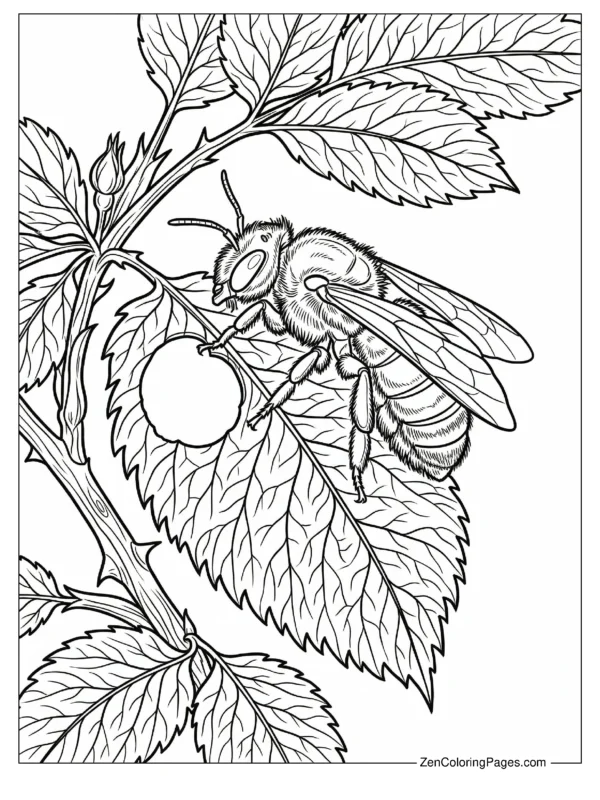
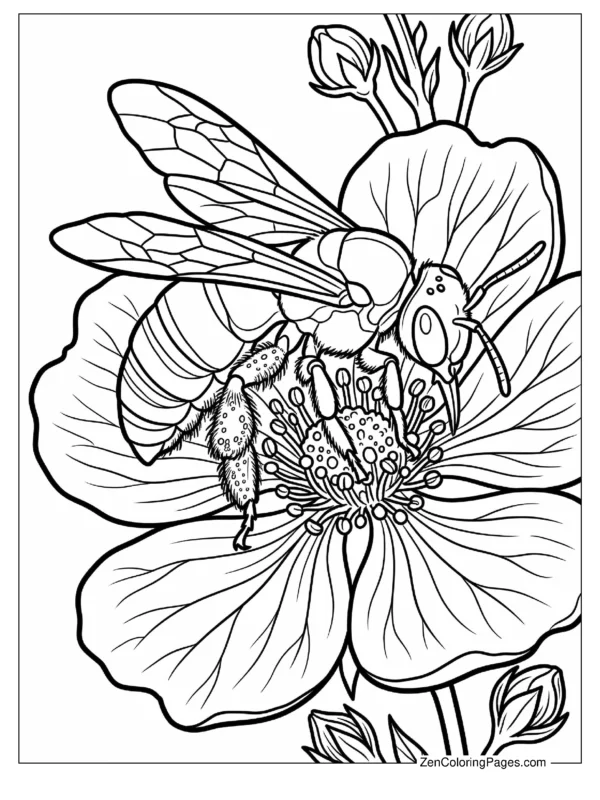
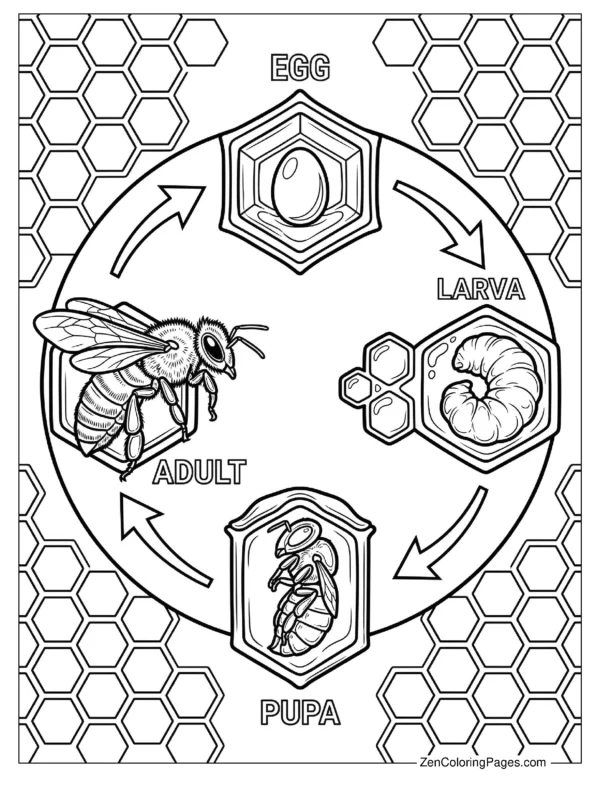
For older kids (ages 7 and up) or anyone tackling a science unit, the medium-difficulty realistic pages are the ideal choice. Navigating the intricate wing patterns and fuzzy textures builds sustained focus and advanced patience. The Leafcutter Bee on Rose Petal Coloring Page is a standout favorite for teaching biology, while the colony life cycle sheets serve as fantastic tools for visual learners. Because these complex designs require precise fine motor control, definitely grab a set of sharp colored pencils rather than broad markers.
Creative Bee Crafts: Post-Coloring Activity Ideas
When the crayons are finally put away, you don’t have to just stick the finished artwork on the fridge and call it a day. Honestly, filling in these bee coloring pages is only half the fun. After downloading and printing hundreds of these sheets over the years, I’ve learned that repurposing them into hands-on crafts is a total game-changer for stretching out a rainy afternoon activity. It gives the kids a second wave of creativity and turns a basic paper craft into a fun keepsake.
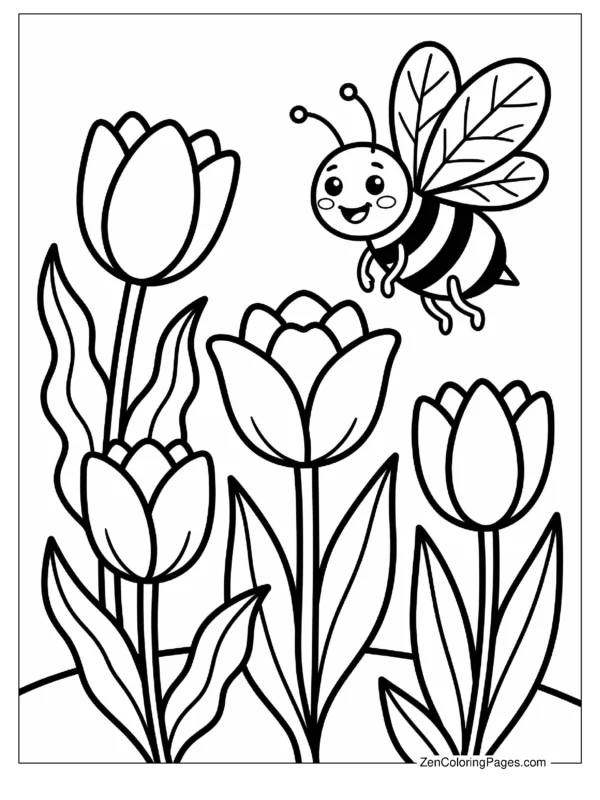
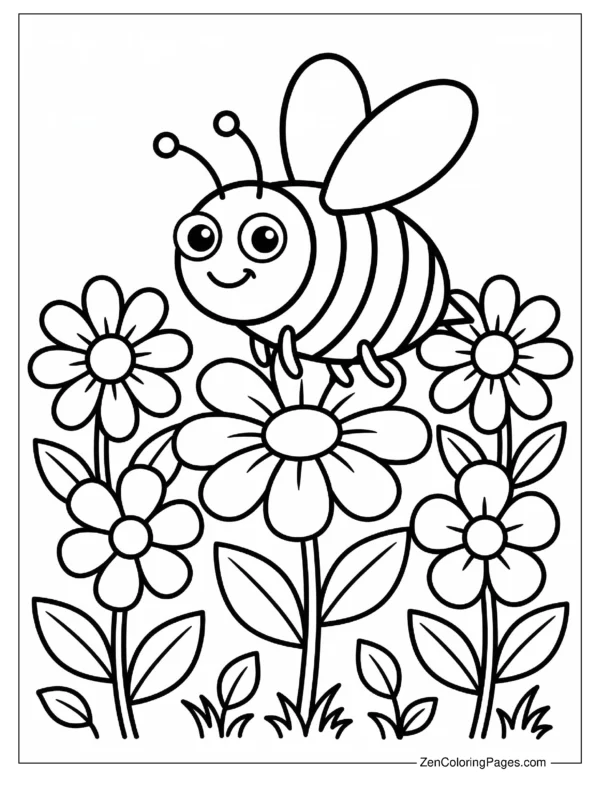
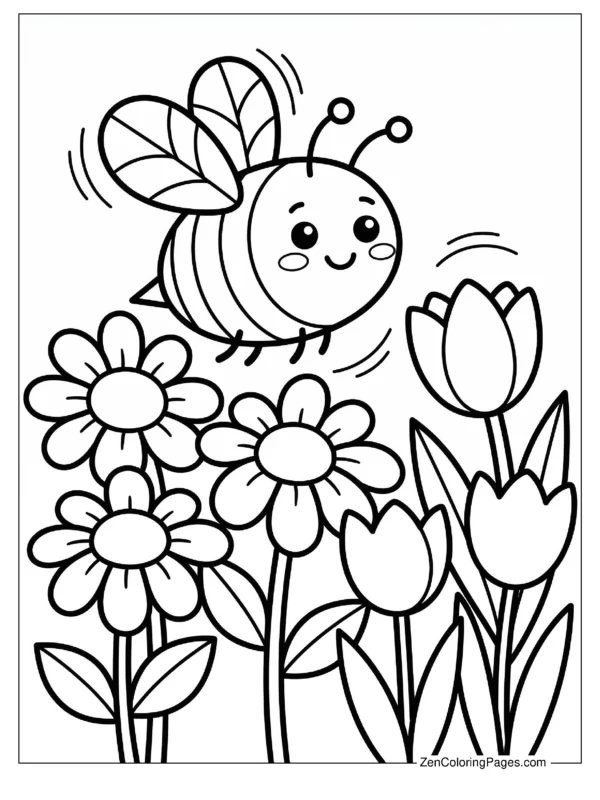
Let’s say your child just finished the Smiling Bee Visiting Tulip Patch. Instead of tossing it in a folder, have them carefully cut out the bee and the flowers along the outline. Grab a piece of folded, heavy cardstock, use a glue stick to paste those cutouts right on the front cover, and help them write a cute message inside. A simple “Bee Mine” or “Happy Bee-day” works perfectly for birthdays or Valentine’s Day. Grandparents absolutely love getting these homemade, personalized greeting cards in the mail.
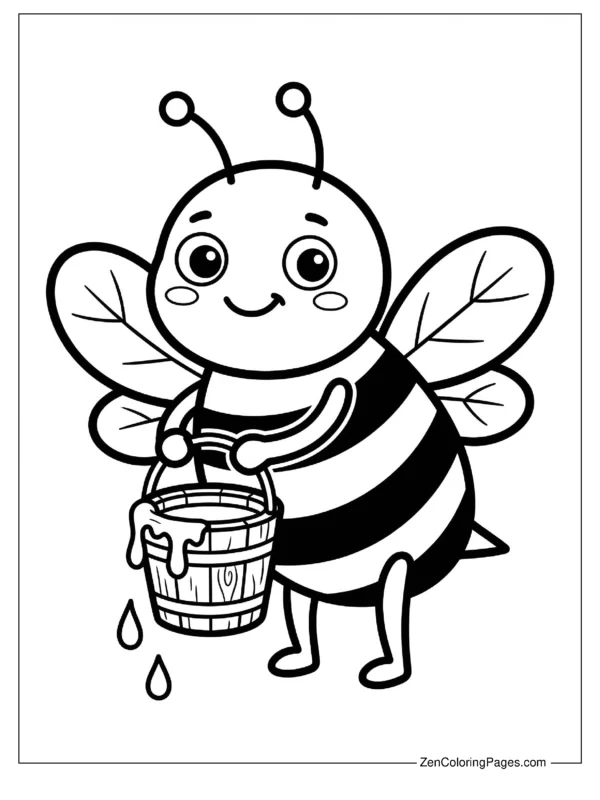
If your kids are younger, the popsicle stick puppet trick is a guaranteed hit. Take a thicker, simpler outline design like the Friendly Bumblebee Holding Honey Bucket. Once it is fully colored, cut it out and use packing tape to secure a basic wooden craft stick to the back. Boom, you instantly have a little puppet ready for imaginative play or a makeshift theater show behind the couch. My niece uses her little bee puppet as a reading companion when we look at picture books together (and yes, she makes all the buzzing sound effects while making it fly across the pages).
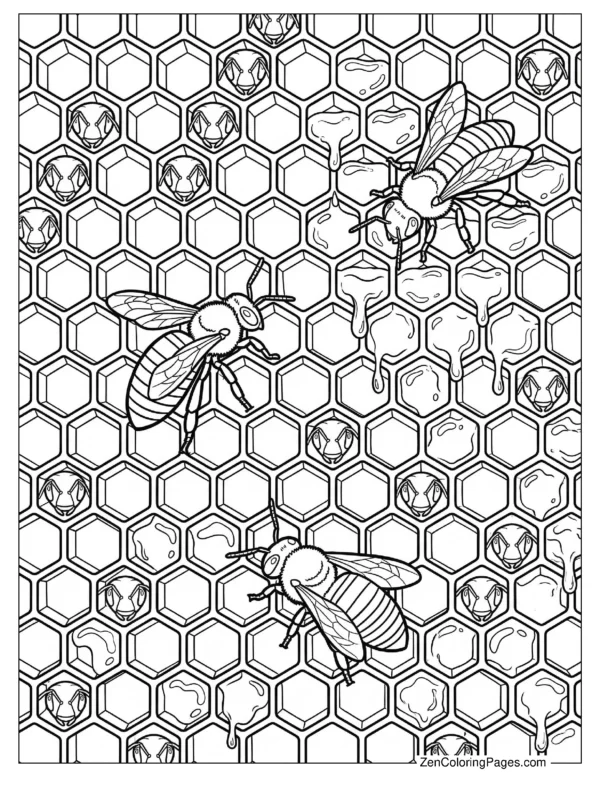
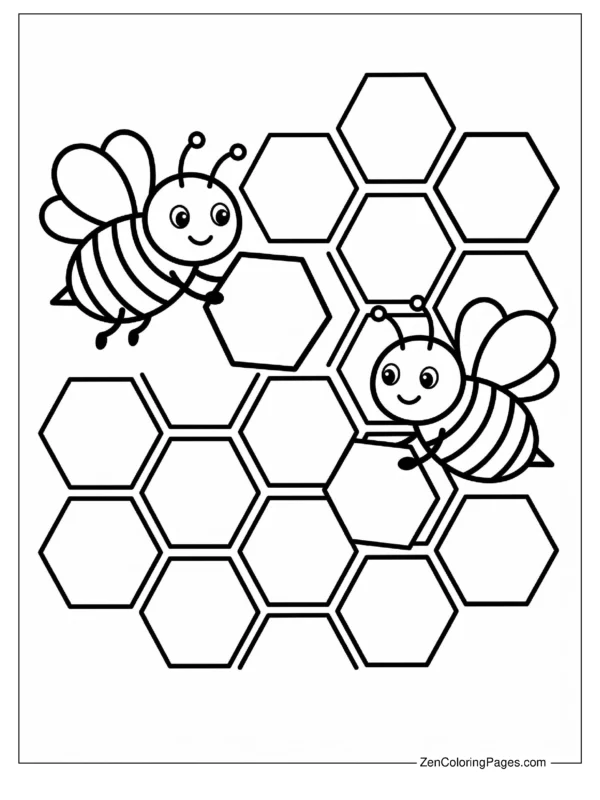
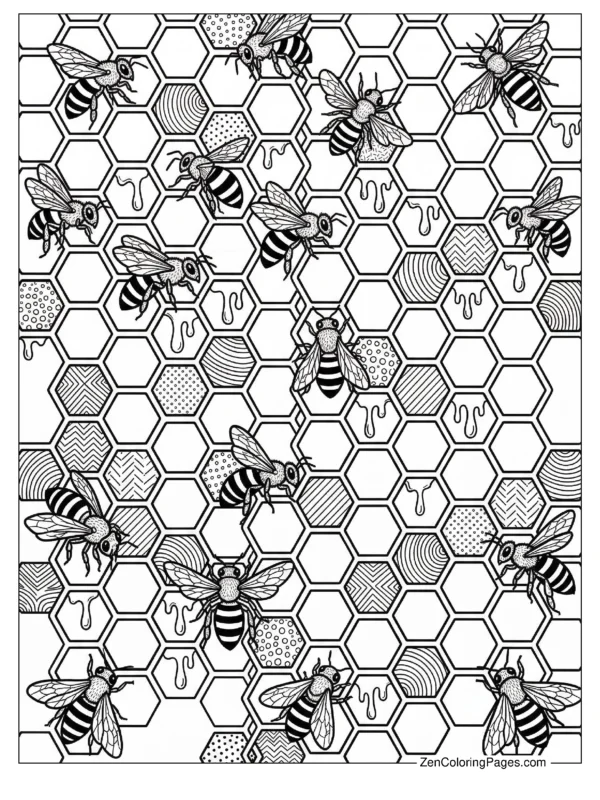
For teachers dealing with a blank bulletin board, or parents with a big playroom wall to fill, try a collaborative group project. Print out multiple copies of the Detailed Honeycomb Pattern With Bees Coloring Page. Have a bunch of kids color their own individual version using different color palettes, then line up the hexagons and tape all the finished pages together, edge to edge. Because the geometric pattern repeats, it creates this massive, continuous honeycomb mural that looks super impressive and teaches a great visual lesson about how bees work together to build their hives.
Finally, don’t be afraid to raid the craft drawer and get a little weird with your materials. Mixing media makes these standard printables way more interesting. We love adding a tiny drop of silver glitter glue to the translucent bee wings to make them catch the light. You can even take the kids outside on a quick nature walk to collect real dried leaves, flower petals, or small twigs, and glue them right onto the garden scenes. It gets a little messy (okay, very messy), but the kids will be completely obsessed with the tactile, 3D effect of their finished masterpiece.
Teaching ‘Bee Kind’: Using Art for Social-Emotional Learning
Beyond just being a fun afternoon activity, these bee coloring pages are actually a sneaky way to teach kids about teamwork. Bees are basically the ultimate community. Every single insect has a specific job in the hive, and they all work together to keep things running smoothly. You can easily use this concept as a springboard to talk about helping out at home or in the classroom.
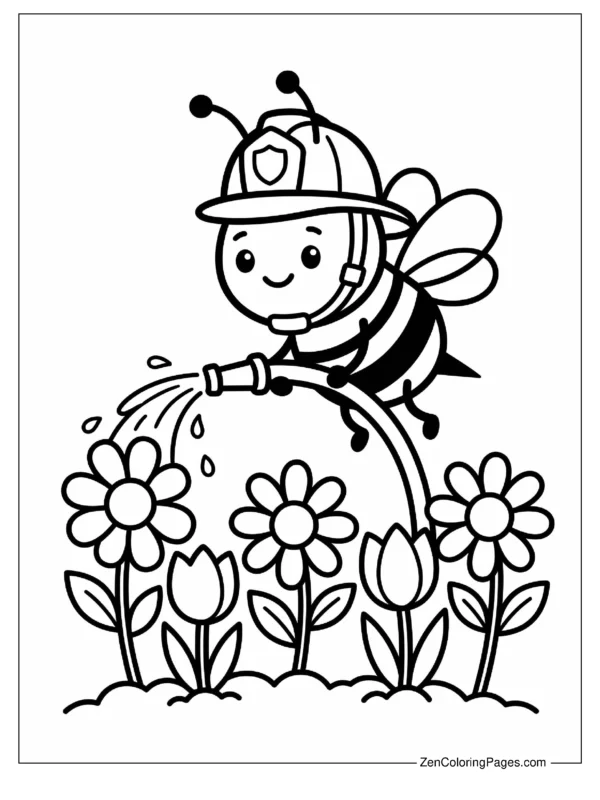
The whole “Bee Kind” pun works beautifully as a gentle reminder to practice empathy. For a great visual aid during a social-emotional learning lesson, grab the Two Bees Building Honeycomb Together page, which shows them literally working side by side. The Bee Superhero Saving the Flowers is another huge hit for discussing how we can help others.
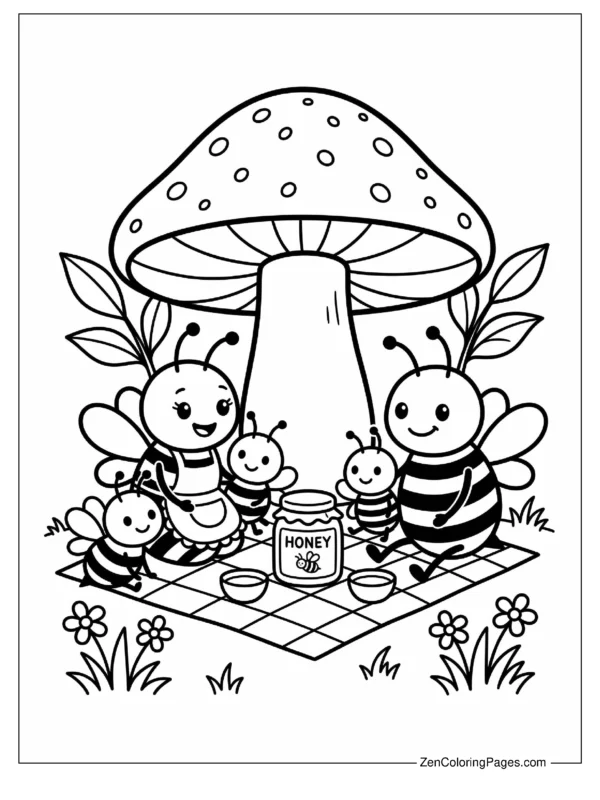
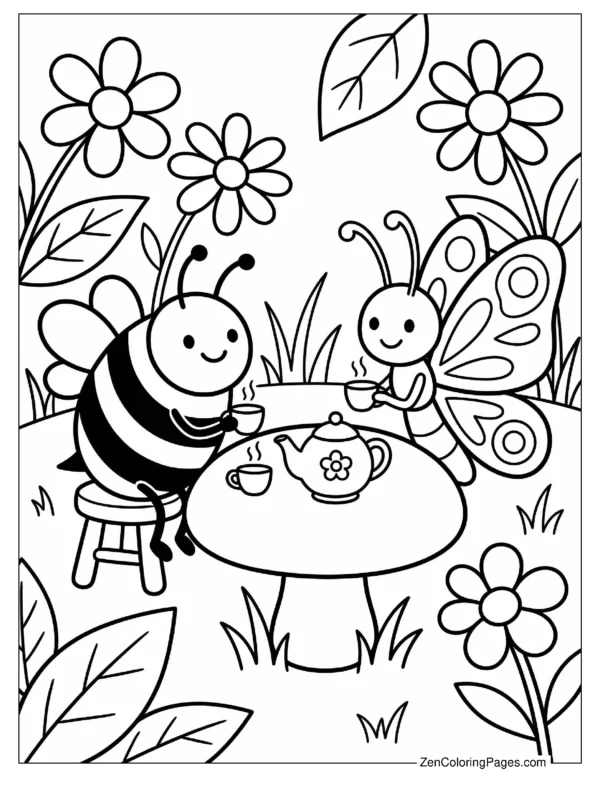
While children are working on these designs, you can guide the conversation toward how bees help pollinate our food and gardens. The Bee Family Picnic Under Mushroom is a wonderful option to spark discussions about community, sharing, and taking care of each other. Once they finish their masterpieces, you might even want to explore other nature themes by downloading some of our animal coloring pages next.
Finally, there is a totally different mental benefit at play. Many people find that coloring repetitive geometric shapes, like a honeycomb, helps them feel calmer and more focused. Teachers have even told me they keep a detailed honeycomb page at their own desks for quick stress-relief breaks between classes. This simple, meditative practice really helps lower anxiety and keeps restless minds anchored in the present moment.