

What is it about kawaii animal coloring pages that makes them so ridiculously hard to resist? Those oversized heads, tiny little bodies, and rosy cheeks basically trick your brain into going “AWWW” every single time. There’s real science behind it, too. Researchers have found that baby-like facial features (big eyes, round faces, small noses) trigger a nurturing response in nearly everyone, from toddlers to adults.
In a well-known 2012 study, Osaka University professor Hiroshi Nittono demonstrated that viewing cute images actually increases focus and careful behavior in observers. After designing 25 free printable kawaii animal pages covering everything from corgis and kittens to axolotls and red pandas, I can confirm firsthand: these little guys just make you happy.
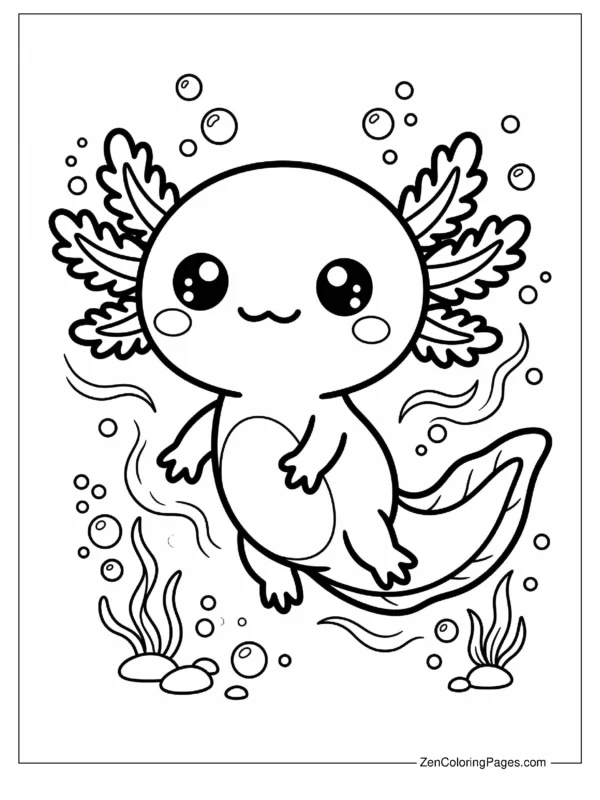
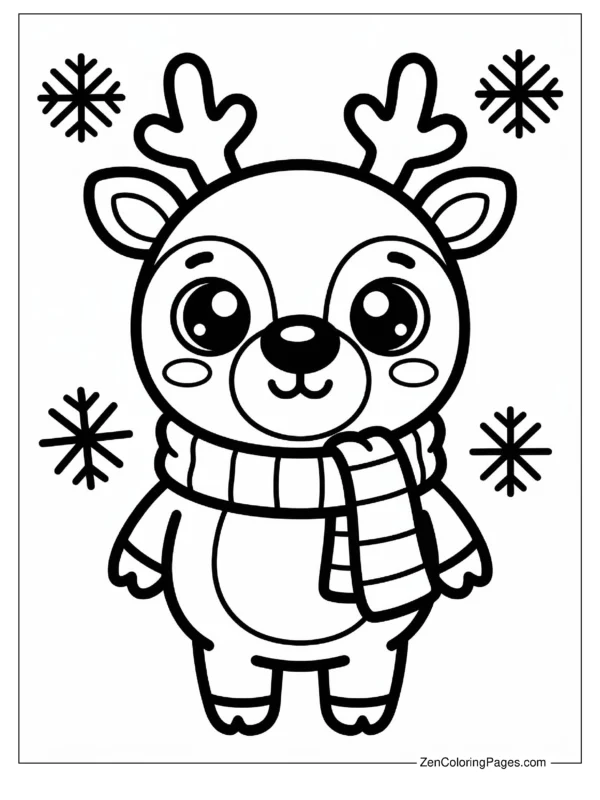
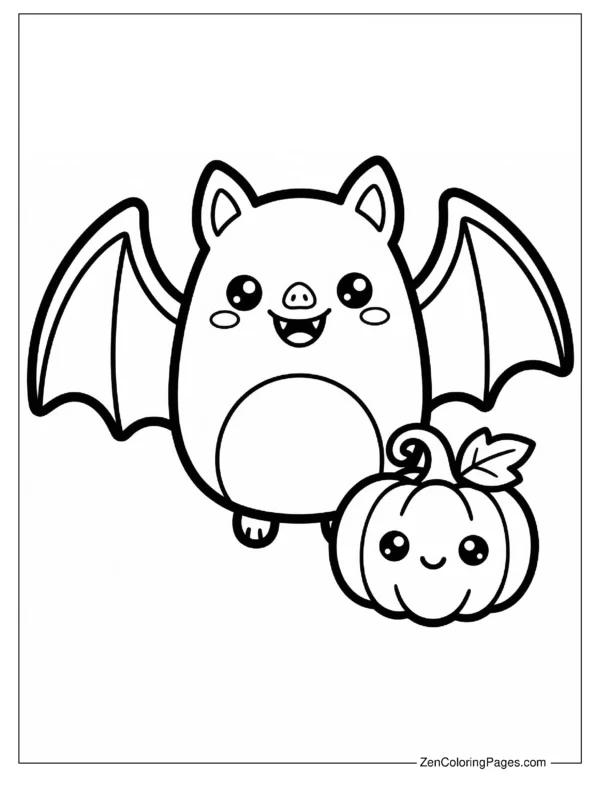
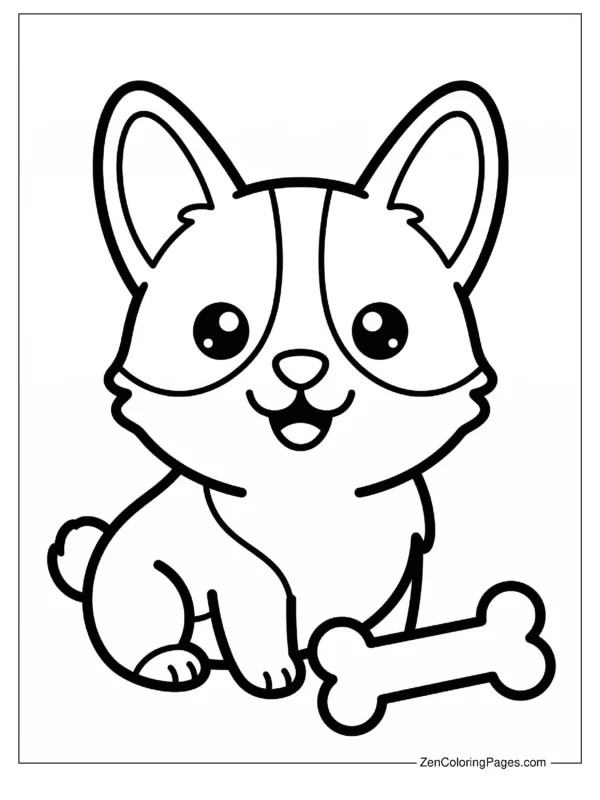
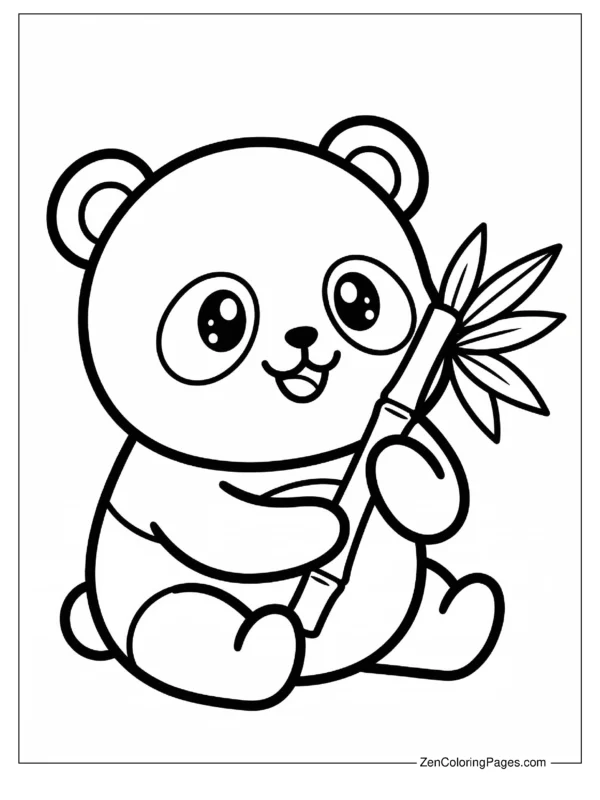
So what’s actually in this collection? You’ve got 25 kawaii animal coloring pages spanning land, sea, and fantasy creatures. Fan favorites include the Kawaii Corgi Dog with a Bone, a Kawaii Axolotl Swimming with Tiny Ocean Bubbles (that one turned out adorable), and the Cute Kawaii Panda Eating Bamboo. There are seasonal designs as well, the Halloween Kawaii Bat with Little Pumpkin is perfect for October, and the Christmas Kawaii Reindeer Wearing Winter Scarf makes a great December activity.
Pages range from easy to medium difficulty, so younger kids ages 3–6 can handle the simpler ones while older kids and adults get more detailed options. If you want even more species to color, explore our full collection of animal coloring pages for dozens of additional creatures.
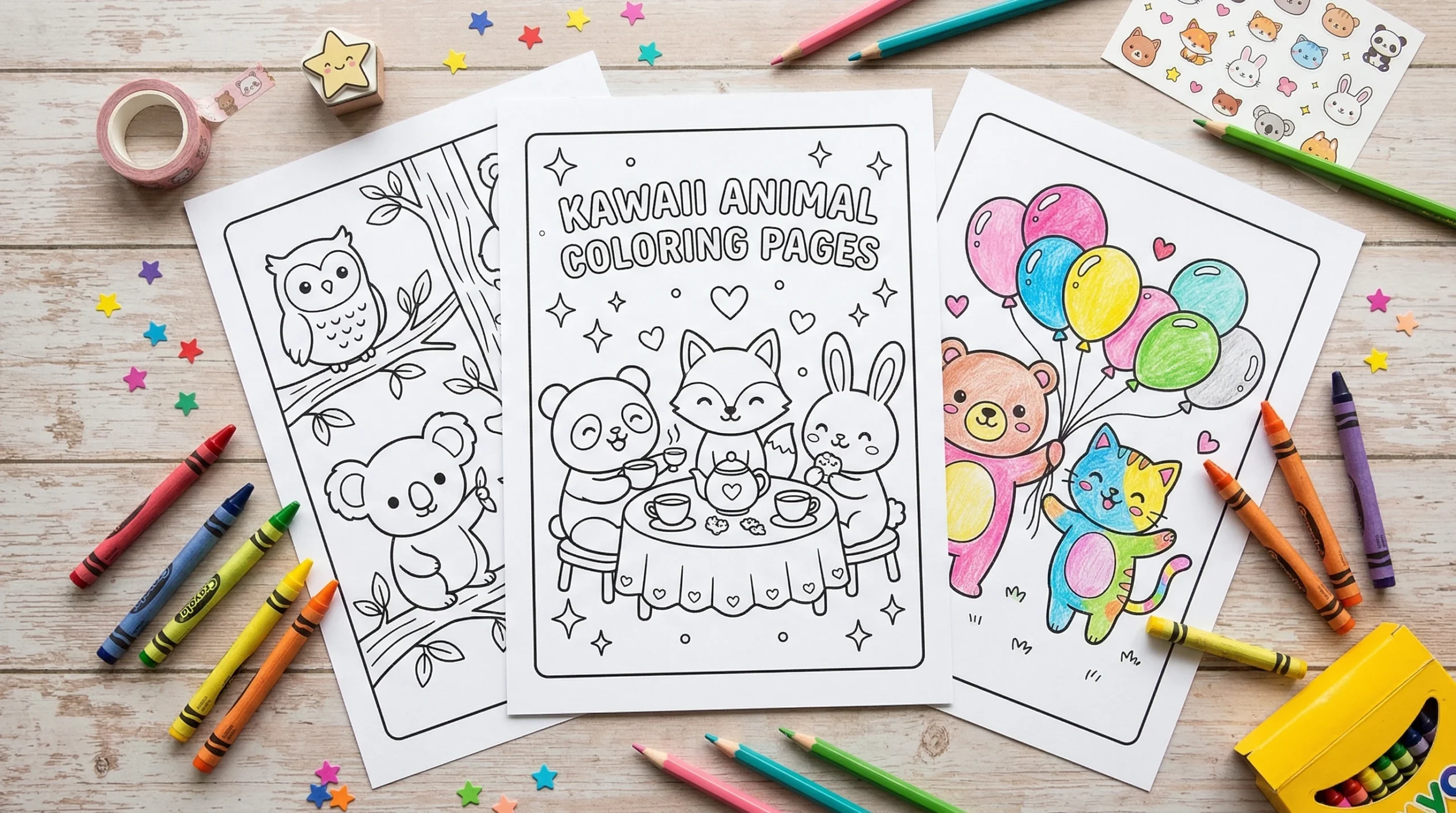
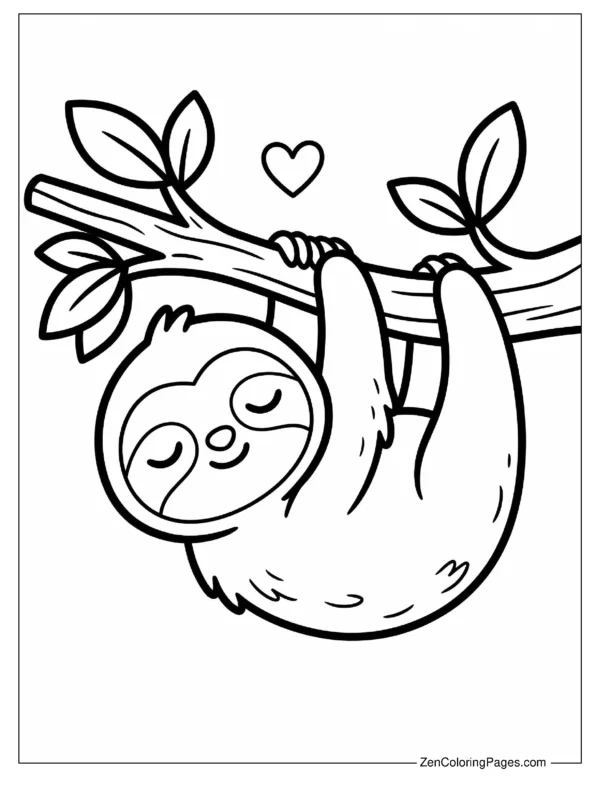
Every page is a free high-quality PDF you can print at home. No signups, no catches. Teachers, these work beautifully for classroom rewards or quiet transition time between activities. Parents, consider your next rainy day sorted. And if you’re a teen or adult who just wants to zone out with some pastel crayons and a cute sloth, you’re in good company. The easy pages feature bold outlines and large spaces that are great for little ones still learning to grip a crayon, while the medium pages give older kids (7 and up) plenty of detail to work with. Scroll down past the gallery for kawaii coloring tips, age-by-age recommendations, and some fun seasonal activity ideas.
Kawaii Themed Animal Coloring Pages
What Makes an Animal Drawing Kawaii? A Quick Guide to Japanese Cute Culture
Kawaii isn’t just a word that means “cute” in Japanese. It’s an entire cultural movement that changed art, fashion, and design across the globe. The concept runs deeper than simple aesthetics, in Japanese culture, kawaii also implies something delicate or requiring care, connecting to our instinct to nurture vulnerable creatures.
Once you understand the basics, you’ll start spotting kawaii style in kawaii animal coloring pages, character merchandise, and everyday design everywhere you look.
Where Kawaii Came From
The kawaii movement kicked off in 1970s Japan when teenage girls started writing in a bubbly, rounded handwriting style called “marui-ji” (round writing). They added tiny hearts, stars, and smiley faces to their notes. It was so different from traditional Japanese writing that some schools actually banned it, and students reportedly got expelled for using it.
Then Sanrio came along and changed everything. Founded in 1960, the company became a consumer goods giant by targeting young people through cute designs and characters. Their founder, Shintaro Tsuji, noticed that painting a simple flower on rubber sandals made them sell far more than plain ones. That tiny observation led to an empire.
Hello Kitty launched in 1974, and by the 2000s, Sanrio’s lineup of 50+ cute characters was pulling in over $1 billion a year across more than 30 countries. The word “kawaii” became so globally recognized that the Collins English Dictionary officially added it in 2014. By that point, it had already been described as “the most widely used, widely loved, habitual word in modern living Japanese” back in 1992.
The Five Visual Hallmarks of Kawaii Animals
After creating hundreds of kawaii-style coloring pages over the years, I can tell you there are five features that make an animal drawing look kawaii every single time. Oversized round heads (we’re talking heads nearly as big as the body). Tiny, simplified bodies with stubby little limbs. Dot eyes or sparkle eyes that take up a huge portion of the face. Rosy pink cheeks, always. And soft, rounded outlines with absolutely no sharp edges anywhere.
You can see all of these in action across our collection. The Kawaii Corgi Dog with a Bone Printable is a perfect example, with that classic bobblehead proportion where the head is practically the same size as the body.
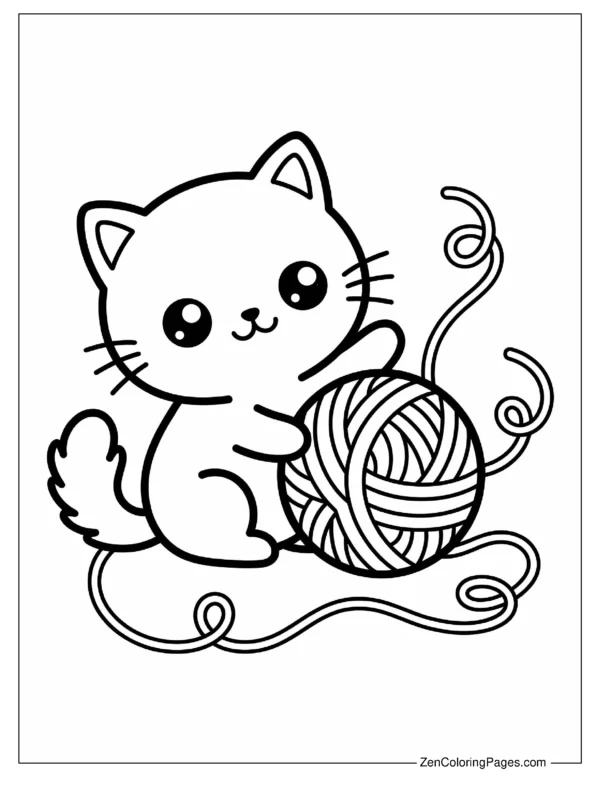
The Cute Kawaii Panda Eating Bamboo Coloring Page does the same thing — that panda’s head-to-body ratio is gloriously exaggerated, and those rosy cheeks are pure kawaii. Meanwhile, the Adorable Kawaii Kitten Playing with Pink Yarn showcases enormous sparkle eyes that draw you right in.
Why Kawaii Animals Feel So Irresistible (The Science Behind It)
There’s a scientific reason these drawings make you go “awww.” Back in 1943, ethologist Konrad Lorenz identified something called the “baby schema” (or Kindchenschema). He found that specific physical features — a large head, big round eyes, chubby cheeks, and a small nose — trigger nurturing emotions in humans. It’s our brain saying “protect this tiny thing.”
This response isn’t limited to human babies, either. Research published in Frontiers in Psychology found that both children and adults actually rated animal faces (dogs and cats) as cuter than human faces. Kids as young as three to six years old spent significantly more time looking at faces with high baby schema features. A study from the Proceedings of the National Academy of Sciences even showed that baby schema features activate the brain’s reward center, the same area involved in feelings of pleasure and bonding.
Building on this, in 2012, Osaka University professor Hiroshi Nittono conducted research demonstrating that viewing cute images actually increases focus and attention in observers, suggesting kawaii isn’t just pleasant to look at — it measurably sharpens concentration.
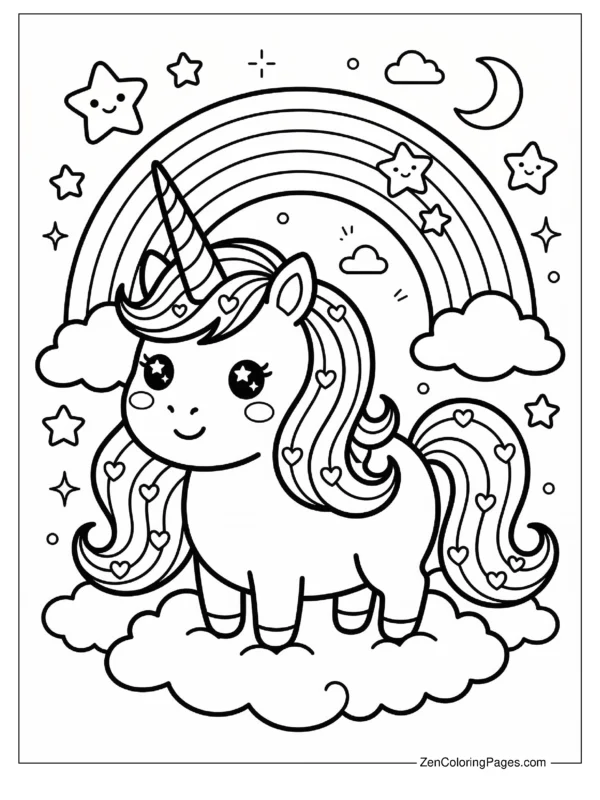
So when your kid is obsessed with coloring that Kawaii Unicorn with Rainbow and Stars Printable or can’t stop staring at the Kawaii Axolotl Swimming with Tiny Ocean Bubbles, it’s biology at work. Their brain is responding to those exaggerated baby-like proportions the same way it would respond to an actual puppy or kitten.
The best part about kawaii style? It works on any animal. Realistic pets like kittens and puppies, fantasy creatures like unicorns, aquatic favorites like axolotls, seahorses floating through coral reefs — even a corgi holding a bone becomes impossibly adorable when you give it those oversized eyes and squishy proportions. That’s the magic of kawaii. It’s a universal cuteness formula that transcends species, and it transcends age too. I’ve had parents tell me they colored these pages after the kids went to bed. No judgment here.
Pastel Coloring Tips for Perfect Kawaii Animals
Now that you know what makes kawaii animal coloring pages so appealing, let’s get into the coloring itself. Kawaii style has a very specific color vibe, and grabbing random markers won’t quite get you there. I’ve been designing these pages for years, and the coloring technique matters just as much as the design.
The Tools That Actually Work on Kawaii Animals
Your best friend for kawaii coloring is soft colored pencils, not the cheap waxy ones that skip across the page, but decent colored pencils that let you blend gently. They give you that dreamy, soft look that defines kawaii art. Pastel gel pens are another solid option, especially for smooth, even coverage on smaller areas like cheeks and stars. For younger kids still developing their grip, regular crayons work well when you encourage light pressure instead of heavy strokes. Gentle layering is the real secret to that signature kawaii softness.
Your Core Kawaii Color Palette
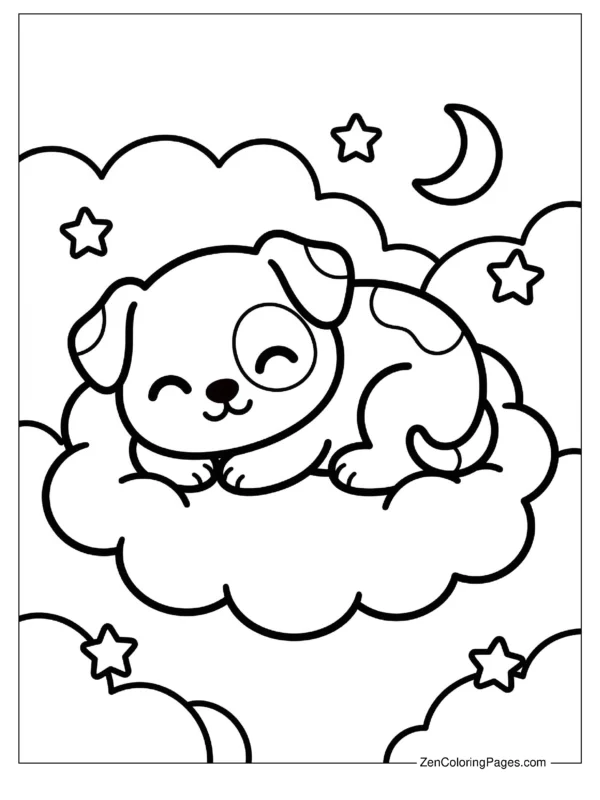
Most people don’t realize that kawaii art has a pretty specific color palette, rooted in the pastel aesthetics that came out of 1990s Harajuku street fashion in Tokyo. You want baby pink, lavender, mint green, soft peach, powder blue, and buttercup yellow. That’s your core six. Keep white highlights handy too, because leaving strategic white space is a huge part of the look. Stick to just these colors on a page like Kawaii Puppy Sleeping on Soft Cloud Printable and it instantly looks like it belongs in a Japanese stationery shop.
The Kawaii Unicorn with Rainbow and Stars Printable is another great one for practicing this palette since you can use every core color across the rainbow details. And if you enjoy working with bright, layered color combinations, you might also love our rainbow coloring pages for even more colorful fun.
The Kawaii Shading Trick
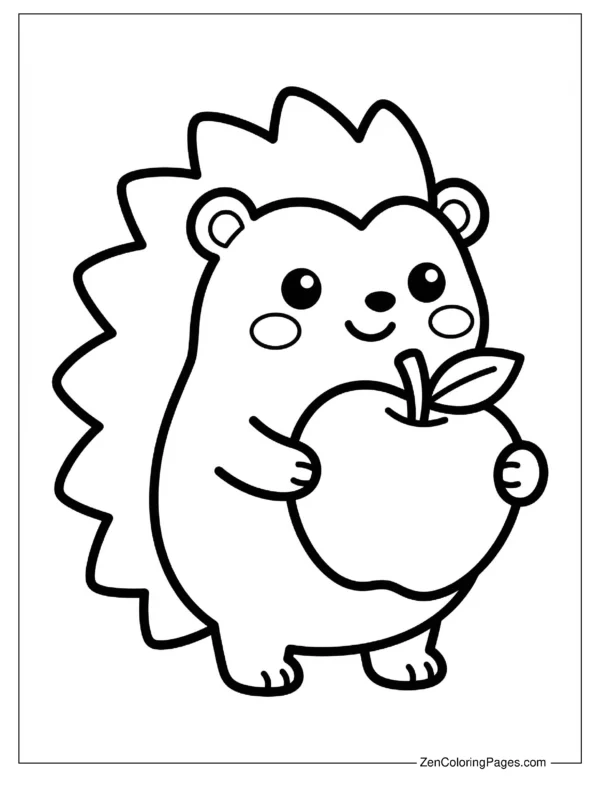
Kawaii shading works differently from regular shading. You don’t want harsh shadows or dramatic light sources. Instead, pick one base pastel color and fill your section evenly with light pressure. Then take a slightly darker shade of that same color and layer it only along the edges. That’s it. You get this soft, pillowy dimension without any of the harshness. It works beautifully on pages like Cute Kawaii Hedgehog Holding a Red Apple, where you want that round, squishy feel on the hedgehog’s body.
Nailing the Signature Kawaii Blush
Those rosy pink cheeks are basically the trademark of kawaii. The word “kawaii” actually derives from an old Japanese phrase meaning “face aglow,” referring to blushing — so the cheek blush isn’t just decoration, it’s built into the meaning of the word itself. To get it right, use a pink colored pencil with very light pressure and make tiny circular motions. Build the color up gradually instead of pressing hard. You want a soft glow, not a clown dot.
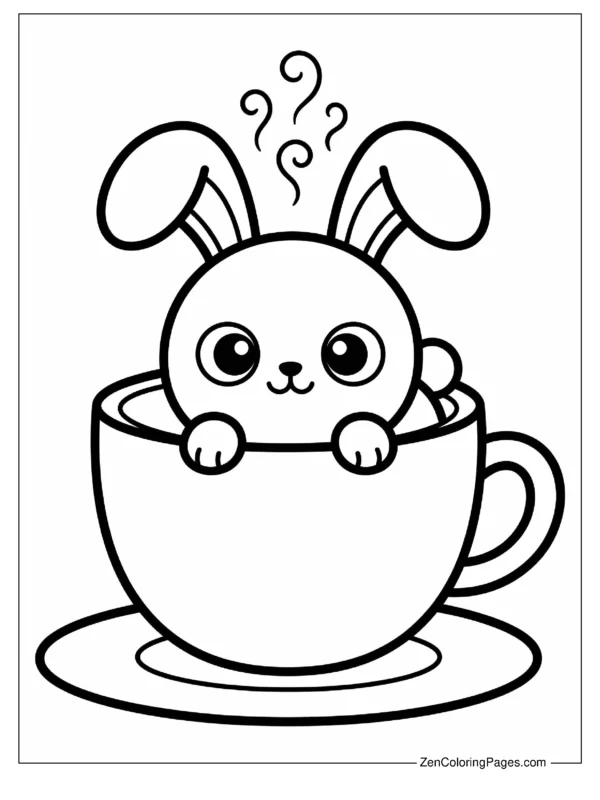
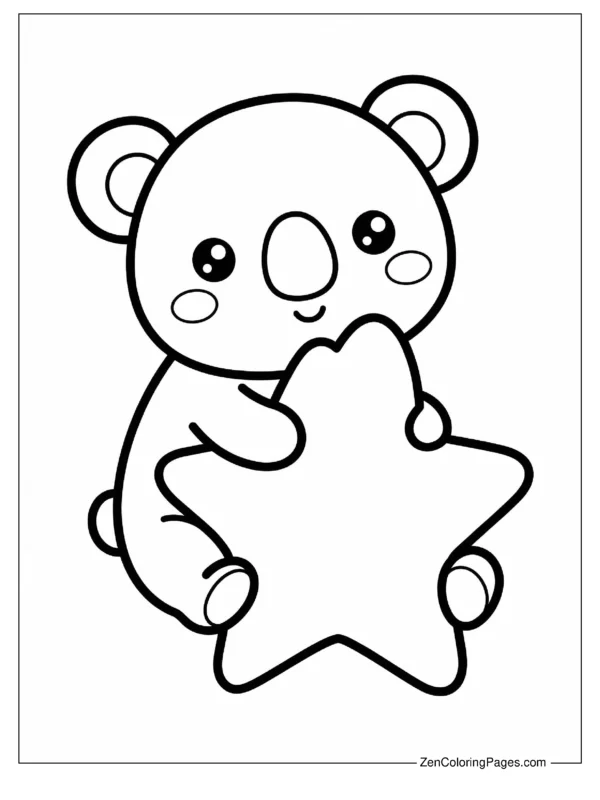
This technique looks amazing on Sweet Kawaii Bunny Hiding in Tea Cup and Kawaii Koala Bear Hugging a Yellow Star, where those little cheek circles really bring the faces to life.
The Eye Sparkle That Changes Everything
When you’re coloring kawaii eyes, don’t fill them in solid. Leave two small white areas uncolored in each eye to create sparkle highlights — usually one larger circle near the top and a smaller one near the bottom. Research from Frontiers in Psychology found that children direct nearly half their viewing time to the eye region of cute faces, so the eyes really are where the magic happens. Those tiny white spots make the difference between flat, lifeless eyes and that signature kawaii sparkle.
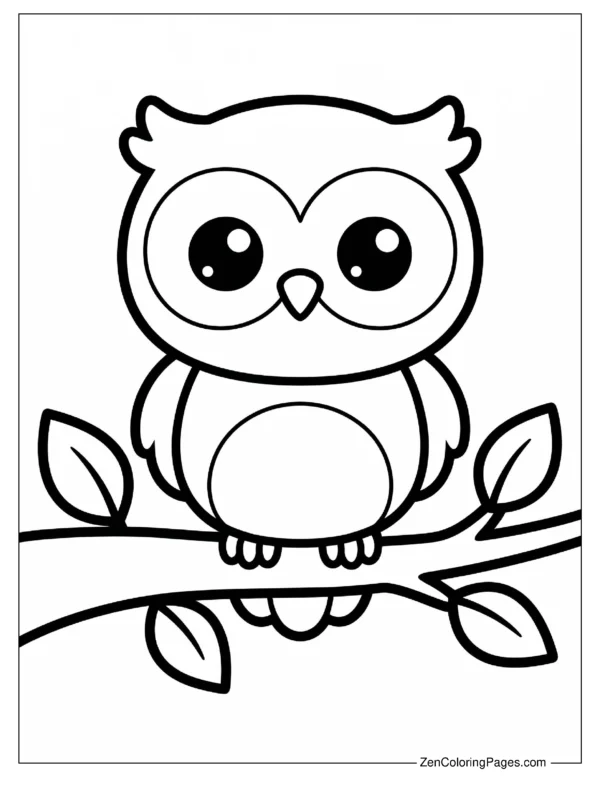
Try it on Happy Kawaii Owl on a Tree Branch and you’ll see exactly what I mean — the owl goes from cute to absolutely adorable with just two little uncolored circles per eye. It’s the smallest change that makes the biggest difference.
Kawaii Animals by Age Group: Easy Pages for Toddlers to Detailed Designs for Teens
Most kawaii coloring page sites dump everything into one big gallery and leave parents guessing which pages suit their kid’s age. A 3-year-old and a 10-year-old need very different things from a coloring page, so here’s a practical breakdown based on developmental stages.
Toddlers (Ages 2-4) and Preschoolers (Ages 4-6)
Little ones need bold outlines, big open spaces, and simple backgrounds. Anything too detailed and they get frustrated fast. Research shows kids typically can’t color within lines until around ages 5-6, so for toddlers, you want kawaii animal coloring pages where they can go wild with chunky crayons and still end up with something that looks great.
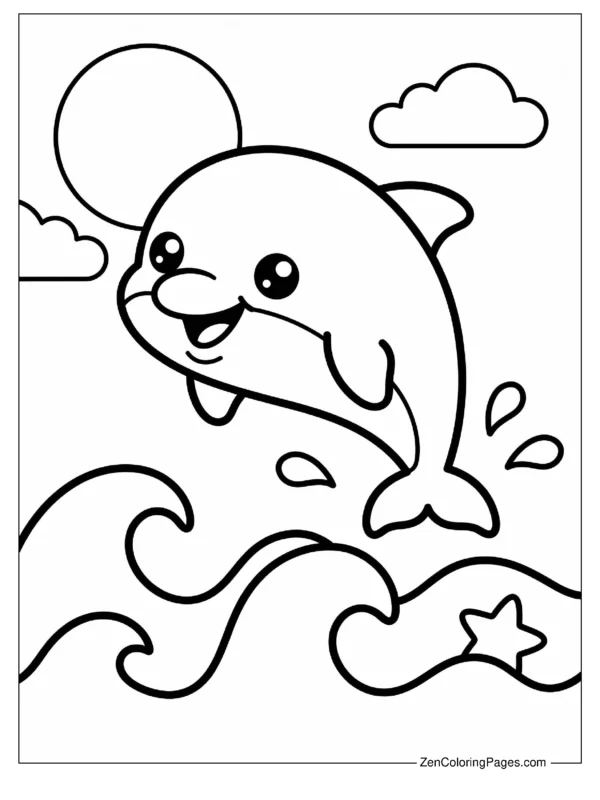
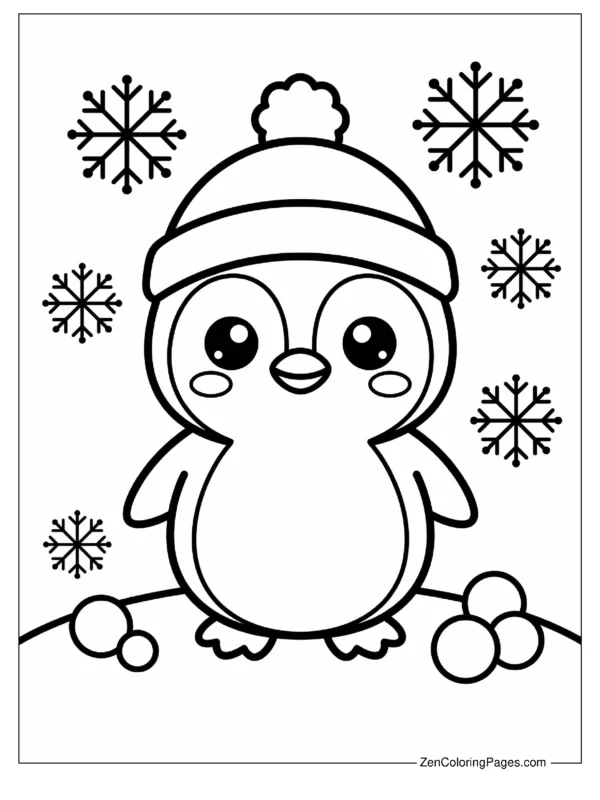
Pages like the Adorable Kawaii Baby Penguin in Snow and Kawaii Dolphin Jumping High in the Ocean are perfect for this group. Big, round kawaii shapes with minimal background clutter make all the difference. The penguin is basically one adorable blob with huge eyes, and toddlers absolutely love it. My niece’s friend (she just turned 3) colored that penguin page for a solid 20 minutes, which at that age is basically a marathon.
Early Elementary (Ages 5-7)
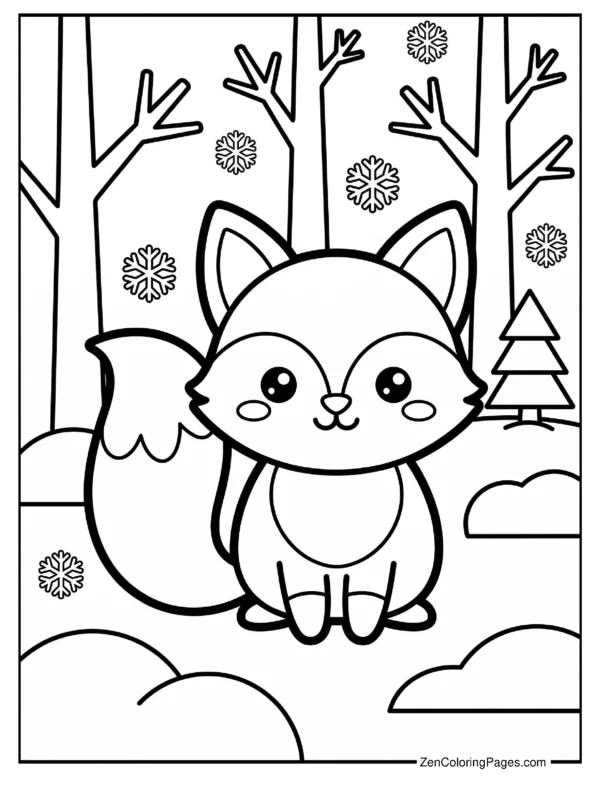
Kids in this range can mostly stay within the lines but still need generous coloring areas. They’re ready for a bit more going on in the background without being overwhelmed. The Cute Kawaii Fox Sitting in Winter Forest works well here because there are some trees and snow details around the fox, but the main character still has those nice big sections to fill in. The Christmas Kawaii Reindeer Wearing Winter Scarf adds a scarf and seasonal elements at just the right level of complexity for younger hands.
At this age, kids are building the fine motor strength they need for handwriting. Coloring within defined outlines actually helps develop hand-eye coordination, so when your 6-year-old spends time carefully filling in a kawaii fox, that’s genuine pre-writing practice happening. The Kawaii Unicorn with Rainbow and Stars Printable is another favorite for this group — the rainbow sections give kids a chance to practice using multiple colors in sequence. If your child loves that design, check out our full set of unicorn coloring pages for even more magical options.
Older Kids (Ages 8-12) and Teens
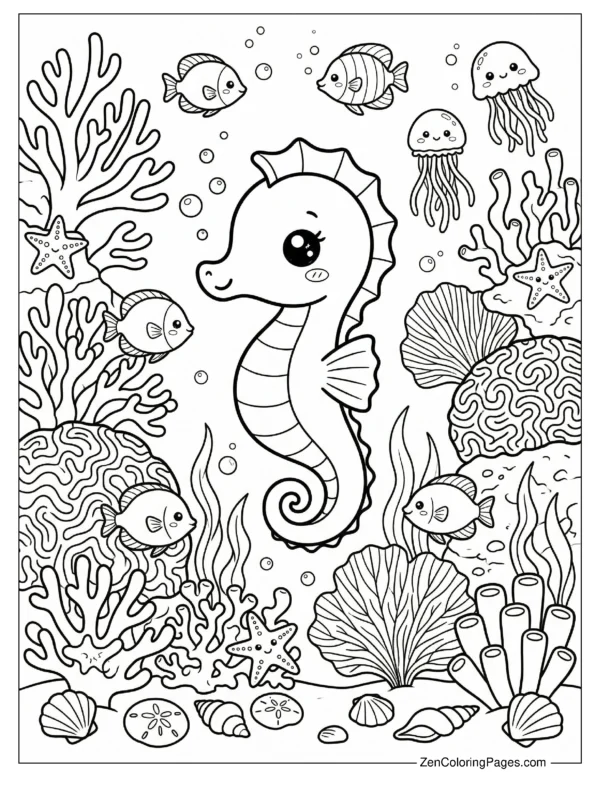
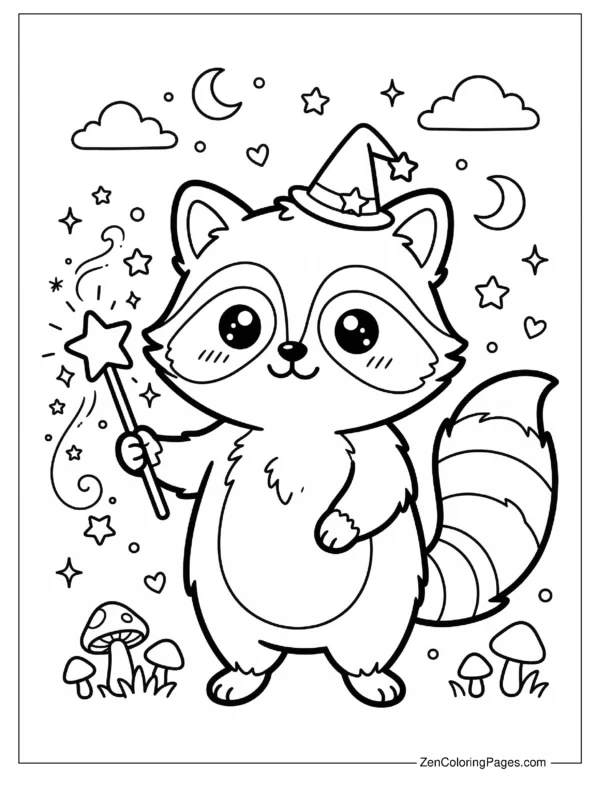
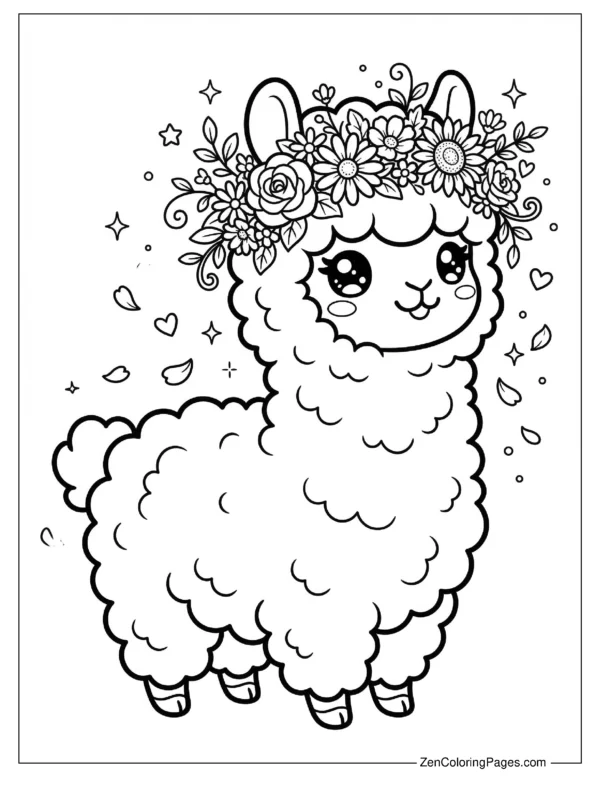
Older kids want more intricate details and smaller sections to color. They’ve got the patience and the motor skills for it. Pages like the Kawaii Alpaca Wearing Beautiful Flower Crown have tons of little petals and decorative elements that keep them engaged. The Kawaii Seahorse Floating Through Coral Reef is another strong pick because the coral background has all these tiny shapes and textures to work with. And the Cute Kawaii Raccoon Holding a Magic Wand has sparkles and stars and enough detail to keep a 10-year-old busy for a good stretch.
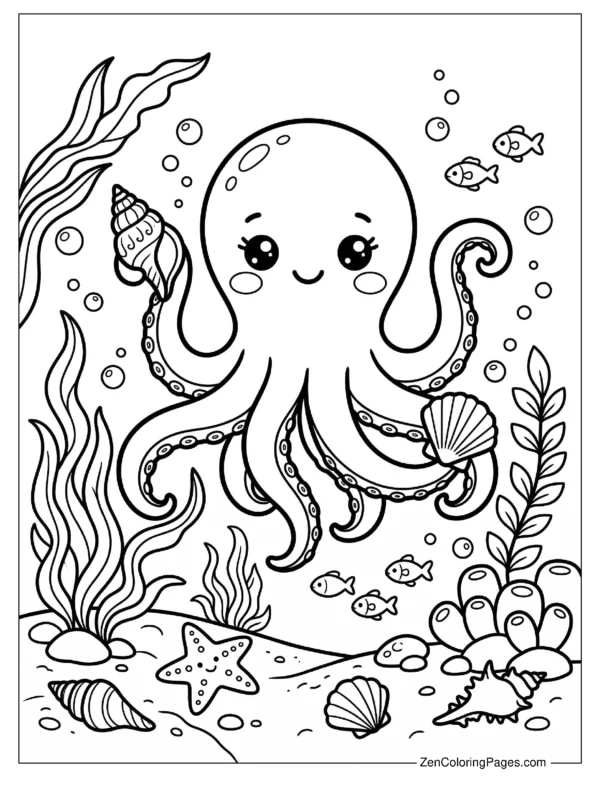
For teens and adults looking for something more mindful, the medium-difficulty ocean pages are a great choice. The Kawaii Octopus Holding Shells Under Water and Kawaii Axolotl Swimming with Tiny Ocean Bubbles both have detailed underwater backgrounds that make them perfect for stress-relief coloring sessions. Research published in the ERIC database has shown that coloring lessens stress-related problems, and there’s something about filling in all those tiny bubbles and ocean details that genuinely quiets your brain down. I’ve colored a few of these myself after long work days and can confirm it makes a real difference.
Quick Parent Tip
If you’re planning a birthday party or classroom activity, print multiple copies of the easy pages ahead of time. The simpler kawaii designs (like the penguin and dolphin) work great for group coloring because every kid can jump in regardless of skill level. I’ve had parents tell me they printed 15 copies of a single page for a party and it kept the whole table busy while the cake was being set up — and that’s the best compliment I can get.
Seasonal Kawaii Animal Activities for Year-Round Fun
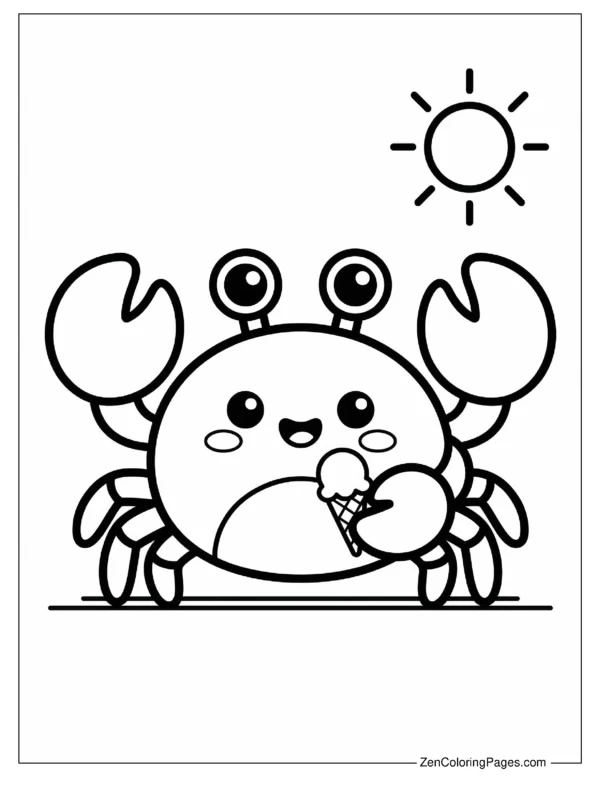
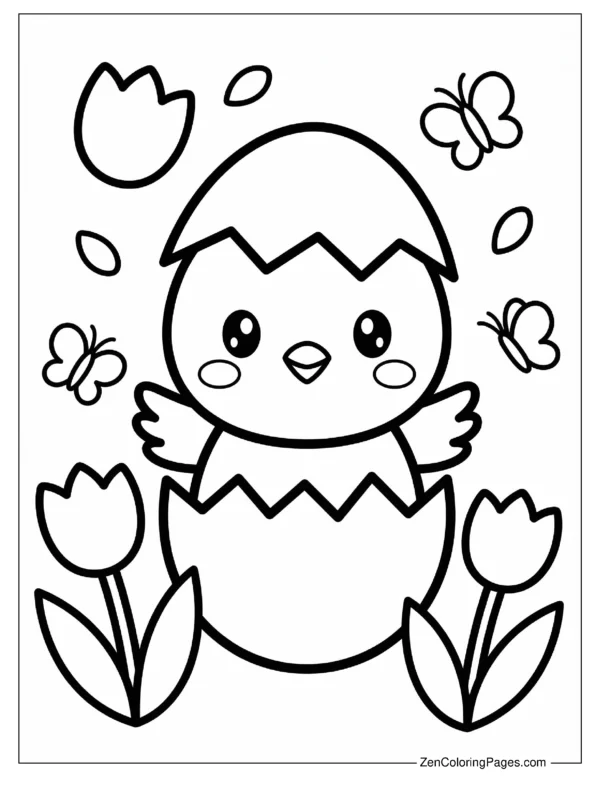
One feature of this collection I’m particularly proud of is the four seasonal kawaii animal coloring pages designed to keep things fresh throughout the year. You’ll find a Halloween Kawaii Bat with Little Pumpkin for October, a Christmas Kawaii Reindeer Wearing Winter Scarf for December, a Springtime Kawaii Chick Hatching from Egg for Easter and spring celebrations, and a Summer Kawaii Crab Holding Tiny Ice Cream for those beach-themed summer days. Most kawaii collections give you generic cute animals without any seasonal connection. These pages actually feel tied to what’s happening outside your window, which makes them easy to rotate back into your activity lineup every few months.
Classroom Ideas That Actually Work
Teachers and homeschool parents (and a lot of you have messaged me saying you are both), here’s an activity worth trying. Have your students color the seasonal page that matches the current time of year, then write three sentences about what makes that season special to them. It combines art with creative writing in a single assignment, and kids rarely realize they’re doing a writing exercise because they’re too focused on picking the perfect shade of orange for that little pumpkin. Several teachers have told me they use this as a morning warm-up, and it works beautifully for settling everyone down at the start of the day.
Want to extend the project? Have kids color all four seasonal pages and assemble them into a mini poster or folded booklet. They can label each season, add the months, and draw a few extra details around the edges. The end result is a kawaii animal seasonal calendar — the kind of craft that parents keep on the fridge for months. It ties together art, time concepts, and sequencing without needing any fancy supplies.
If your child gravitates toward the Kawaii Unicorn with Rainbow and Stars page, that works perfectly here too as a fantasy bonus page. Kids who love that design should also check out our full set of unicorn coloring pages for even more magical options. And for more pastel-filled creativity, our rainbow coloring pages pair nicely with any kawaii coloring session.
Turn Kawaii Coloring Pages into a Memory Game
Rainy afternoons call for this activity. Print two copies of your kid’s favorite kawaii animal pages and let them color both copies. They can try to match the colors exactly, or go completely different — the mismatched pairs are usually funnier anyway. Then cut each page into cards and you’ve got a homemade memory matching game. It reinforces animal recognition, builds focus, and kids stay far more invested because they made the game themselves. My niece played her homemade version for about three weeks straight before the cards got too crumpled to shuffle. Completely worth it.
Ocean Animals Meet Science Class
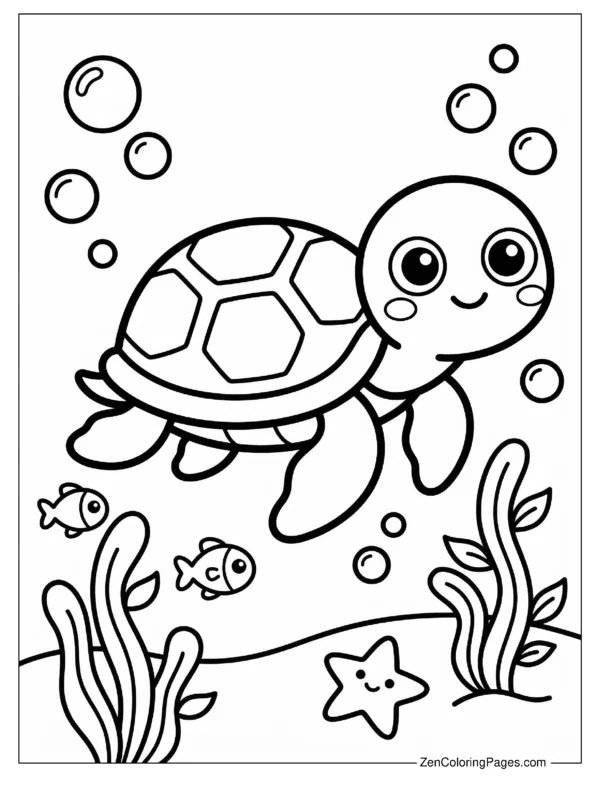
For the homeschool crowd especially, try pairing the ocean-themed kawaii pages like the Kawaii Sea Turtle Swimming Under Water and the Kawaii Seahorse Floating Through Coral Reef with a simple ocean habitat lesson. Talk about what coral reefs are, why sea turtles matter for marine ecosystems, and where seahorses actually live. Kids color the pages while you discuss the real animals, and suddenly it’s a science lesson they’re genuinely paying attention to. Researchers found that children are naturally more attentive and motivated when animals are incorporated into learning activities — so you’re working with their natural curiosity rather than against it.
The whole point of these kawaii animal coloring pages is making learning feel like play. Whether your kids are assembling a seasonal calendar, playing a memory game they colored themselves, or exploring ocean habitats through adorable sea creatures, these pages give you a starting point that goes well beyond just filling in colors. That’s what keeps families coming back to them season after season.