

Did you know wild turkeys can run up to 25 miles per hour and fly as fast as 55 miles per hour, making these 50 free, printable turkey coloring pages way easier to catch than the real thing? I honestly had no idea they were quite that fast until my niece asked me how they manage to escape predators in the wild. It turns out they are actually fascinating birds, and grabbing some crayons is a fantastic way to learn about them while celebrating the holiday season.
We’ve put together a massive stack of designs that cover every single difficulty level you could possibly need. For the teachers and homeschoolers out there, the Turkey Anatomy Labeled Diagram for Kids is perfect for a quick, engaging biology lesson. I also made sure to include highly complex designs for older kids and adults—like the Paisley Patterned Turkey for Adults, which offers a really fun artistic challenge because sometimes you just need a relaxing break from the holiday chaos. These printables are a solid addition to our broader collection of animal coloring pages, giving everyone from toddlers to grandparents plenty of options to stay busy and creative.
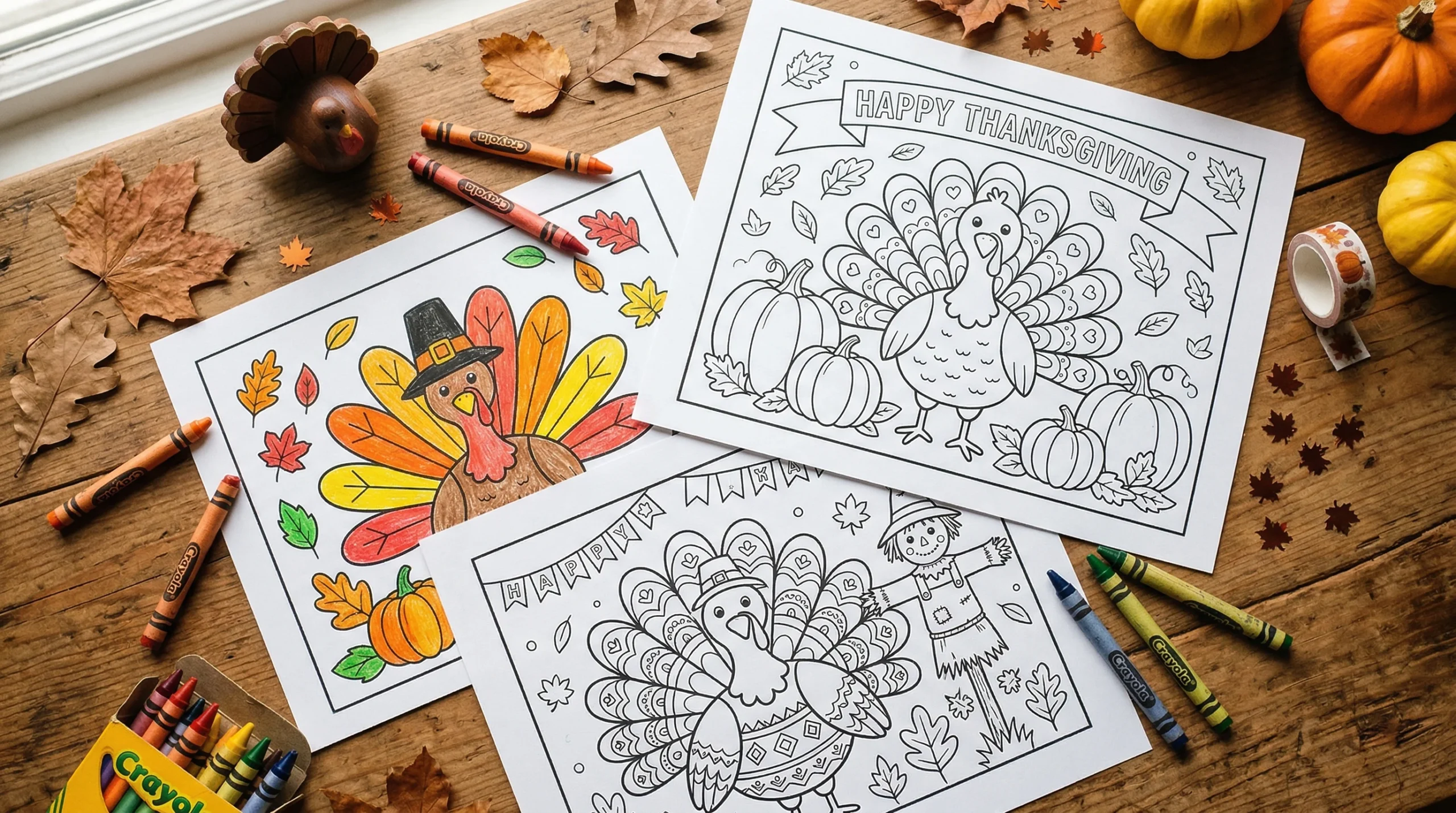
The best part? Every single one of these high-quality PDFs is totally free. Just click the image you want in the gallery below, download it, and print as many copies as you need. They are absolutely clutch for keeping kids occupied at the Thanksgiving table while you wait for the food to finish roasting, or for getting a little quiet art therapy time for yourself after the kitchen is finally clean.
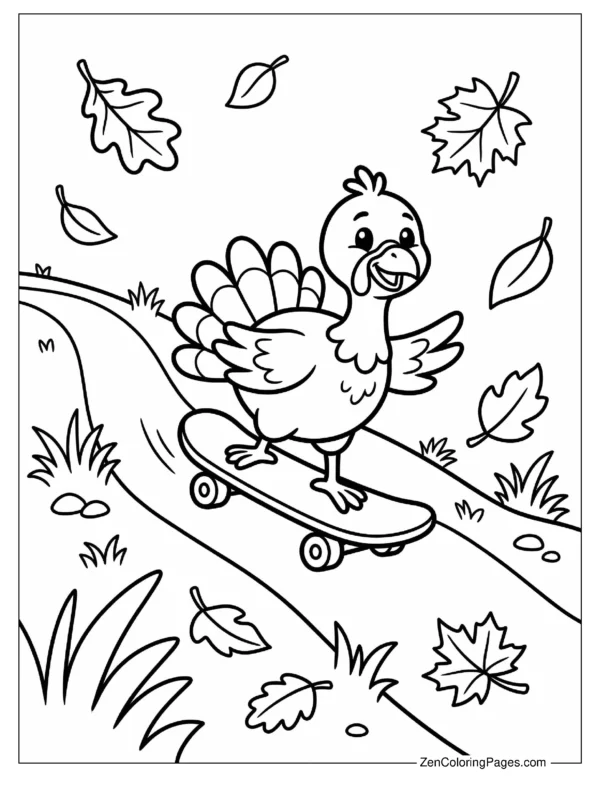
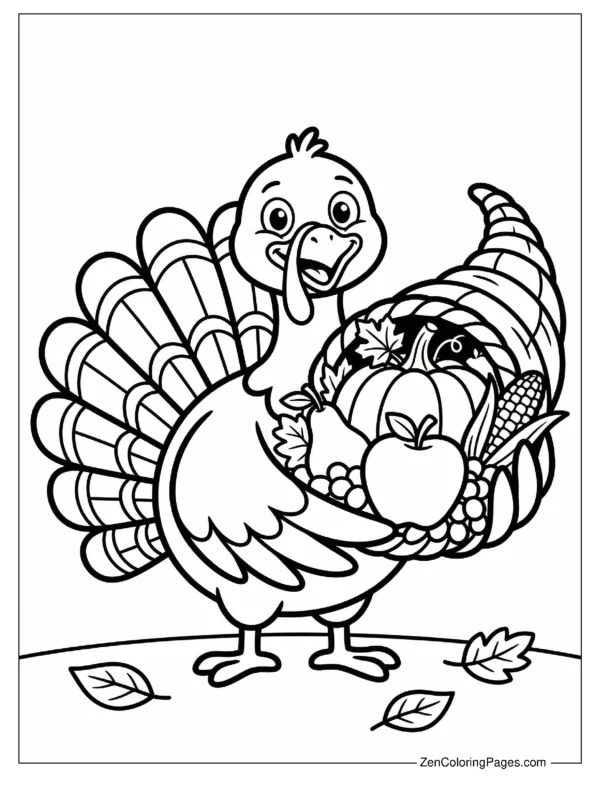
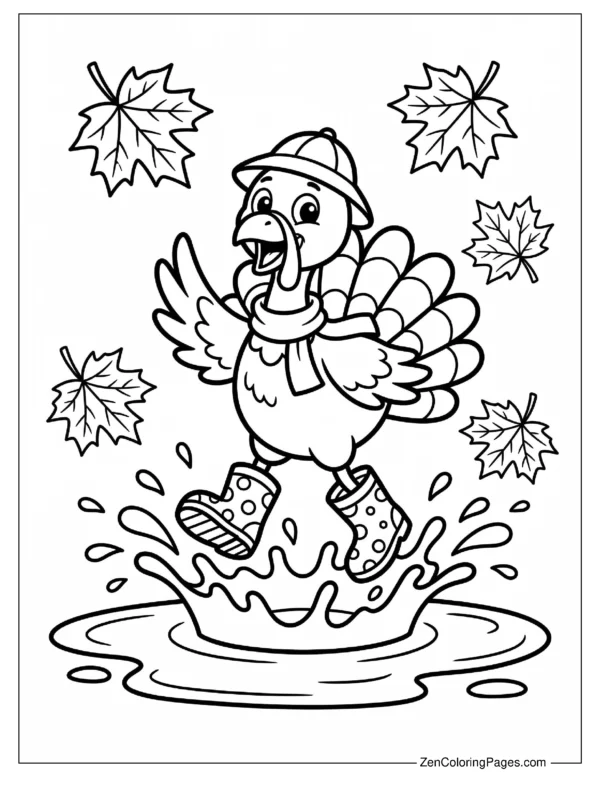
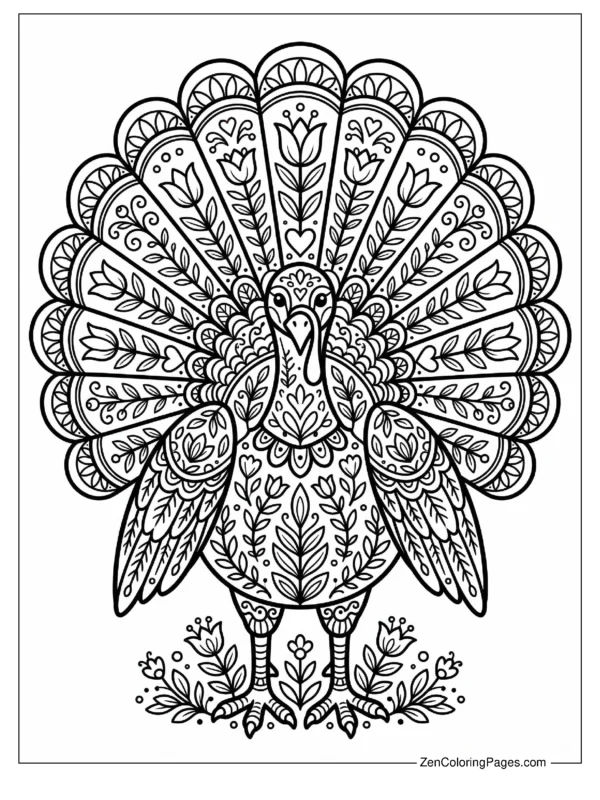
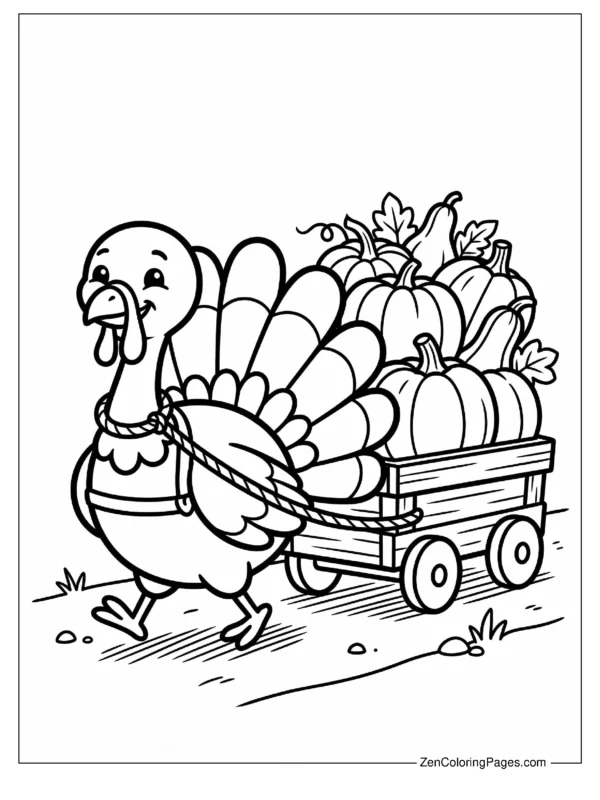
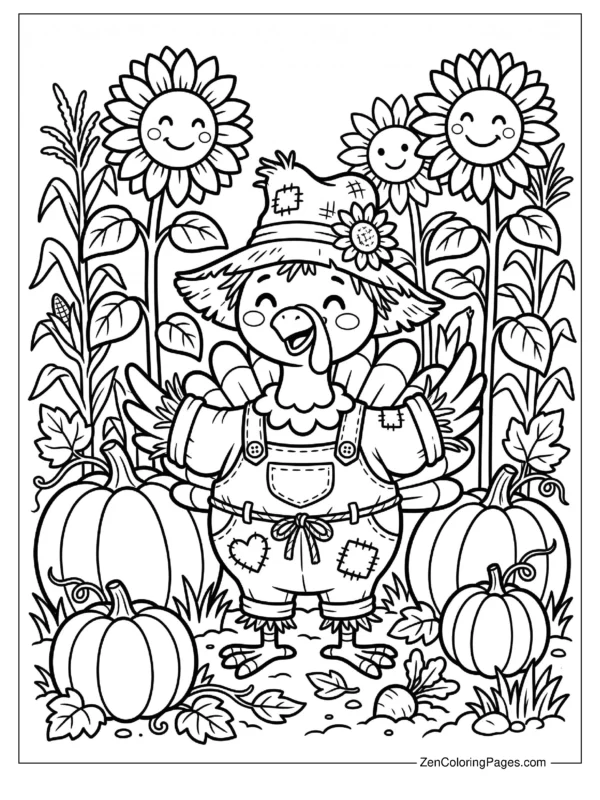
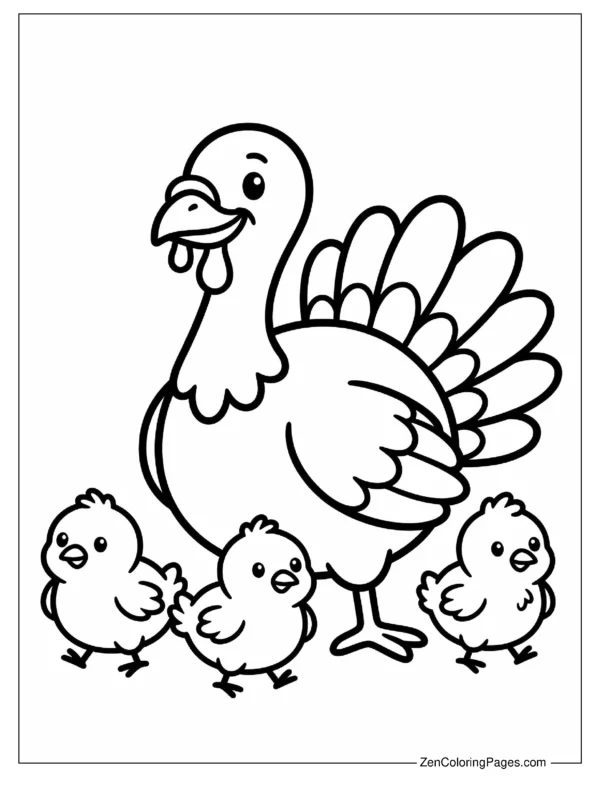
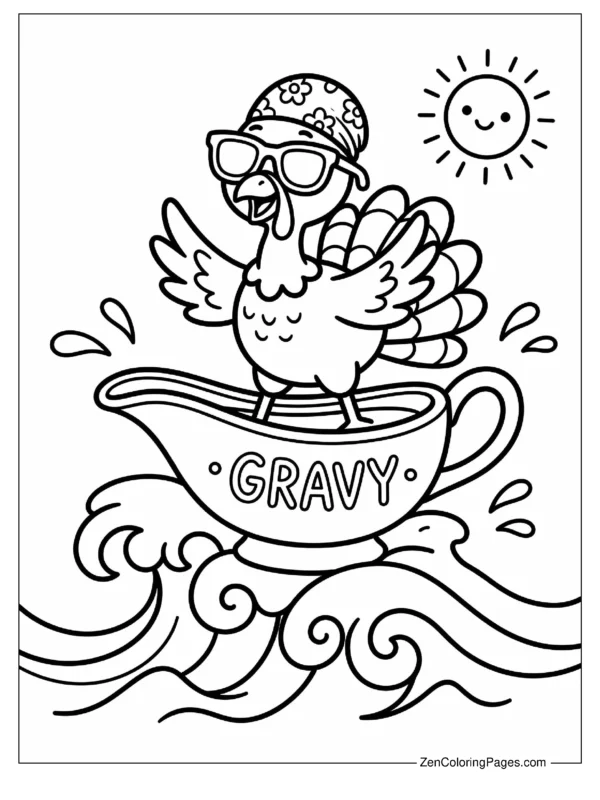
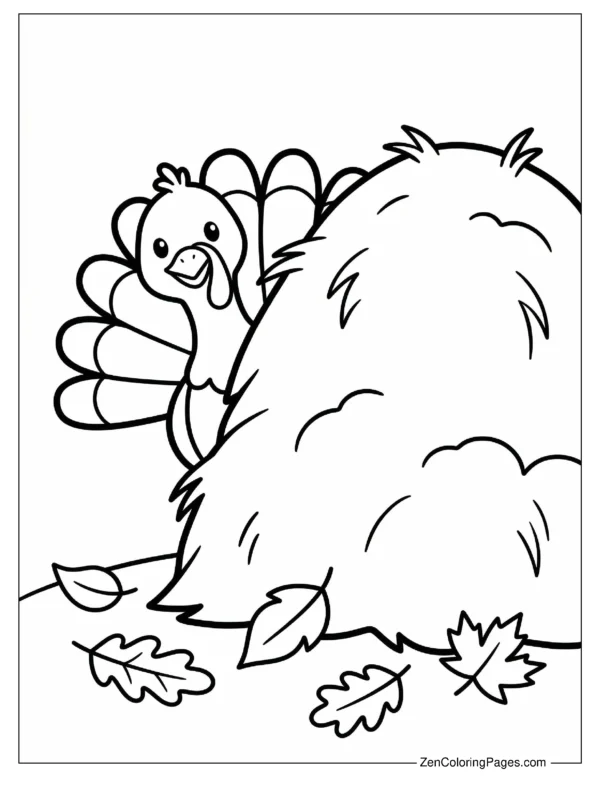
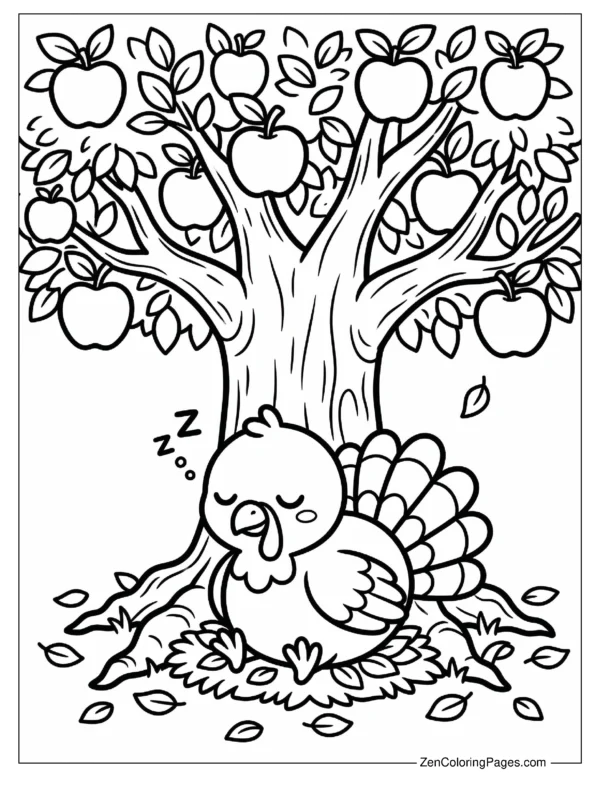
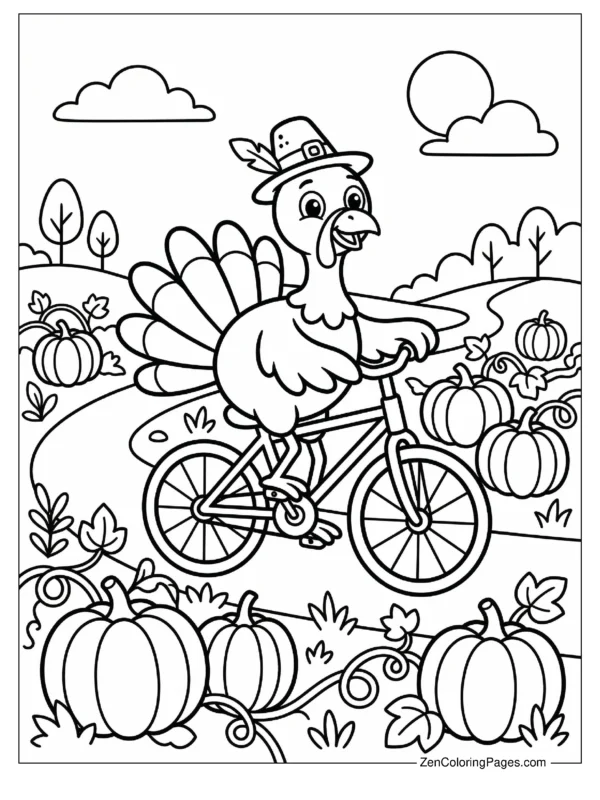
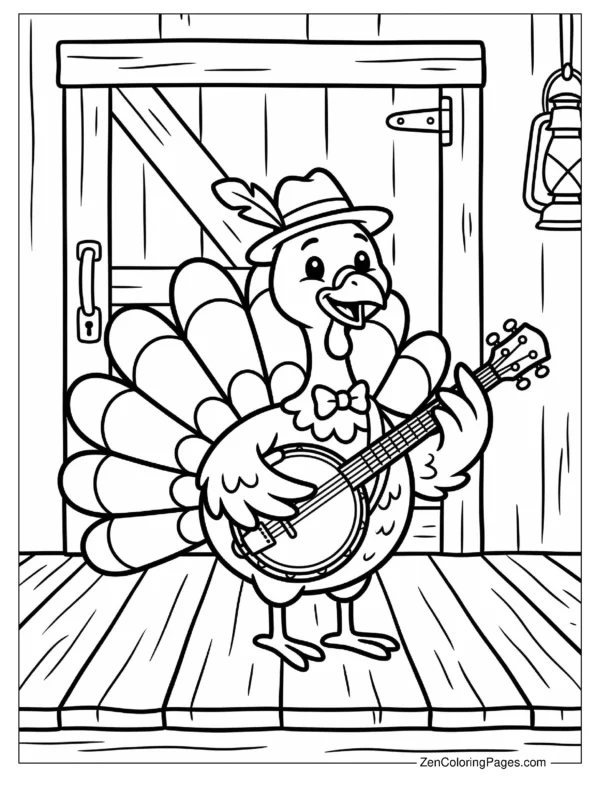
Fun & Educational Turkey Facts for Kids
Kids ask a lot of questions. If you hand a five-year-old a crayon and a bird printable, you’re probably going to get interrogated about what that weird floppy thing on its beak is. I’ve been there.
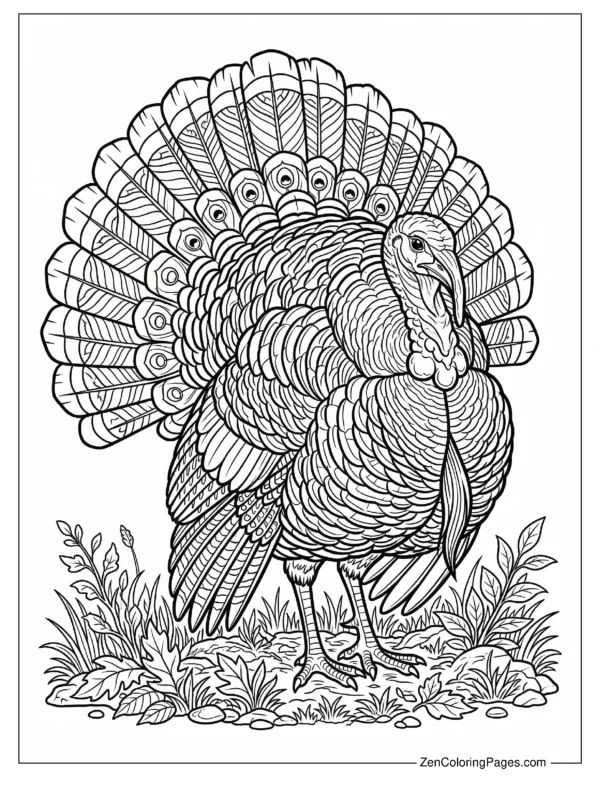
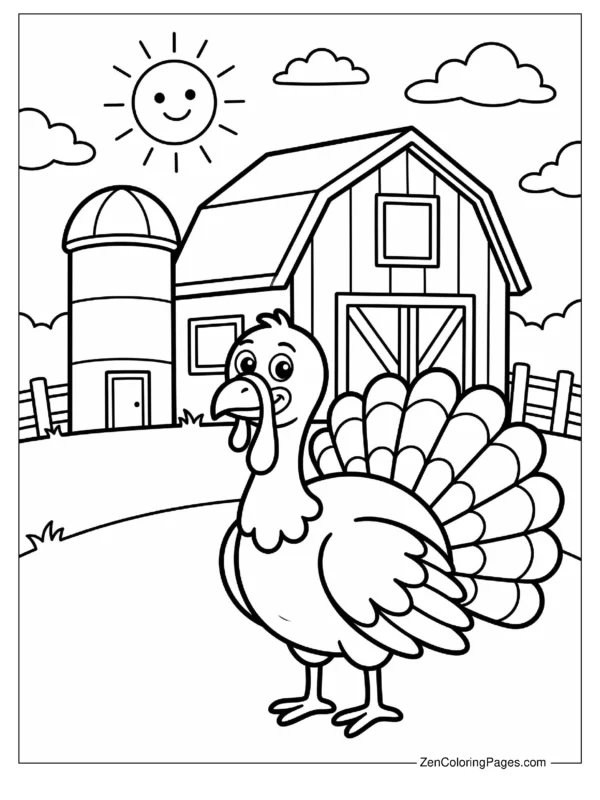
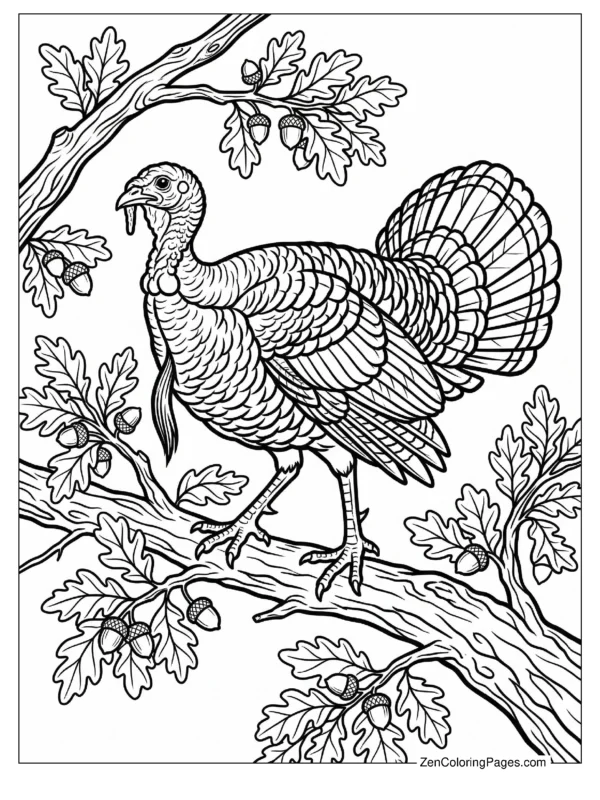
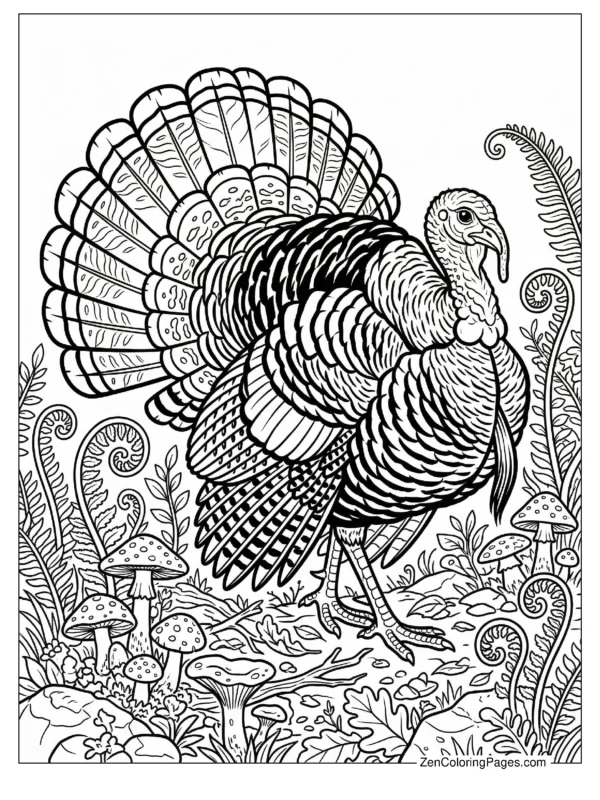
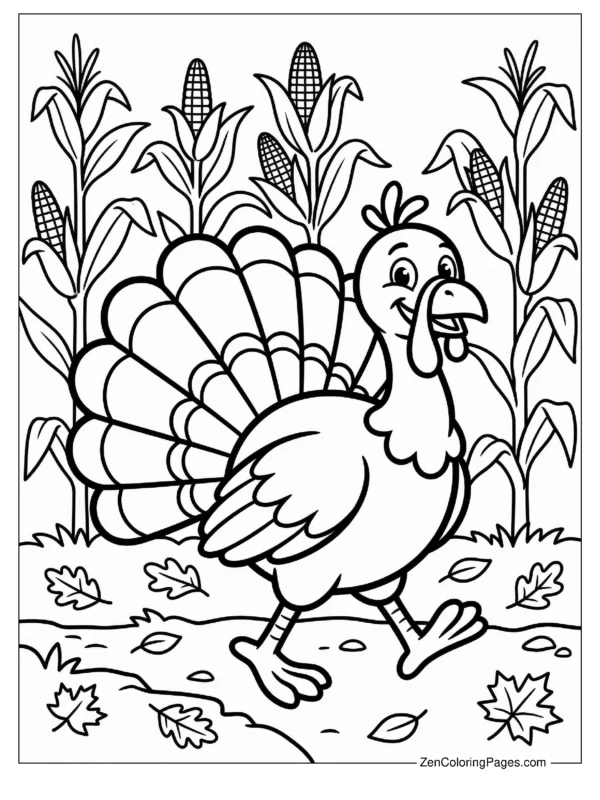
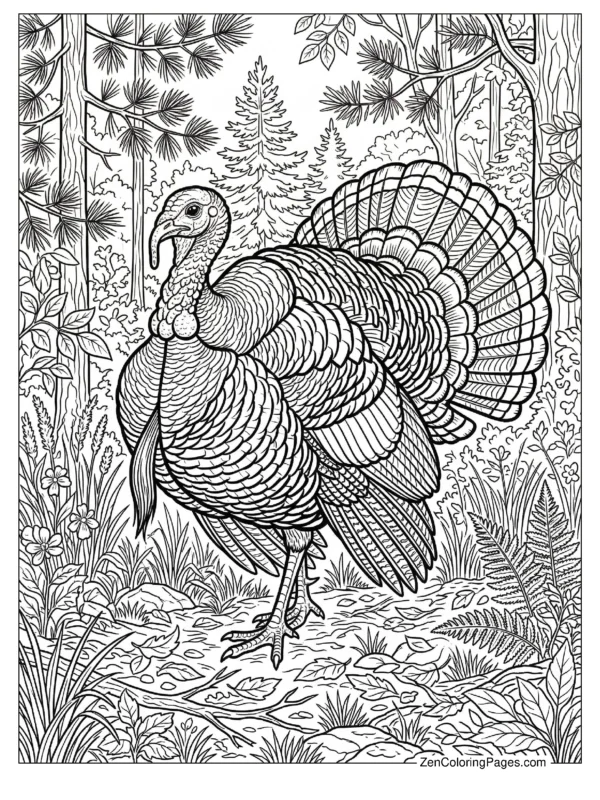
I actually had to look some of this stuff up after my niece asked why the birds in her books looked different from the domesticated ones she usually fills in on farm coloring pages. Basically, domesticated farm turkeys are bred to be really heavy and usually have plain white feathers. Wild turkeys, on the other hand, are the ones you see darting through the woods. They have dark, iridescent plumage to blend in with the shadows and autumn leaves. If you want to show kids the difference, print out the Realistic Wild Turkey in Forest Clearing page. It’s a great visual for talking about animal camouflage, especially if you encourage them to use earthy brown and green watercolors to blend the bird into its background.
Anatomy 101: Snoods and Wattles
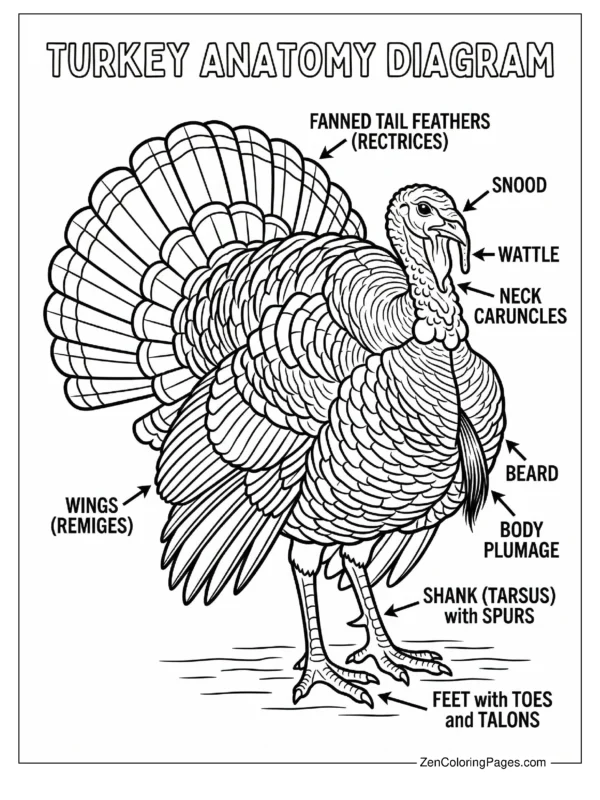
Speaking of that weird floppy beak thing, it actually has a real name. It’s called a snood. The bumpy red skin hanging from their neck is the wattle. Kids think these words are absolutely hilarious (and honestly, they are). I made the Turkey Anatomy Labeled Diagram for Kids specifically because teachers kept messaging me. They needed something educational for their November science units that still felt like a fun art project. Have your students grab a bright red marker to highlight the snood and wattle so those vocabulary words really stick.
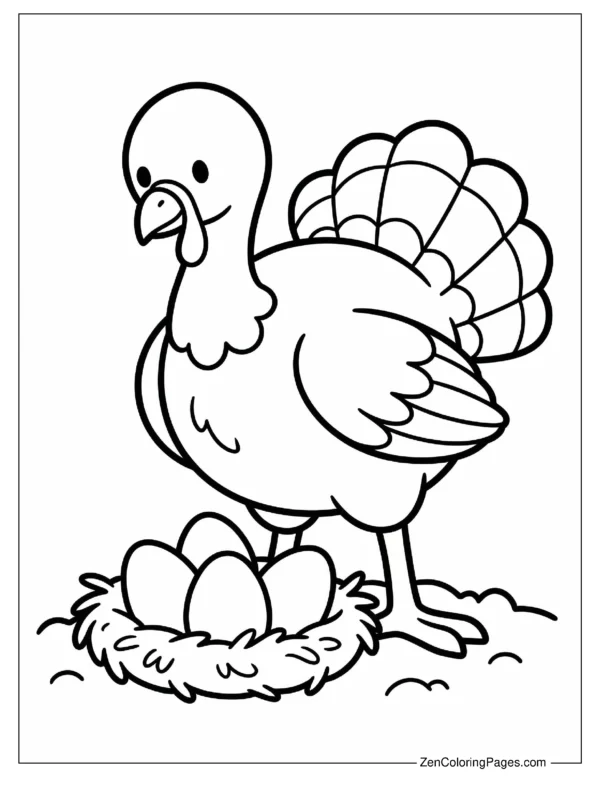
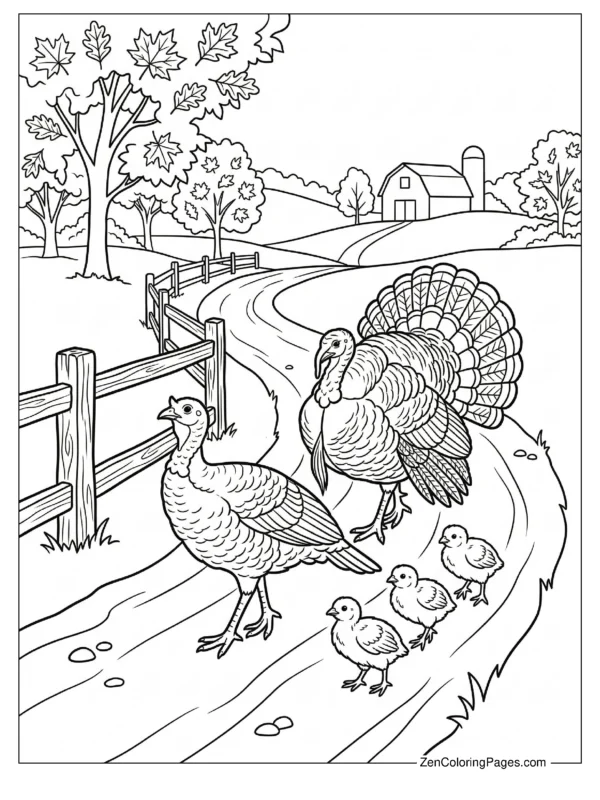
These birds also have some pretty cool history. They’re totally native to North America and were roaming around the forests way before the Pilgrims ever showed up. Another interesting detail is how they raise their babies. Instead of building nests high up in oak branches, they nest right on the ground hidden in tall grass or brush. The Mother Turkey Guarding Nest of Eggs page is a solid option if you want to talk about habitats. Colored pencils work perfectly here for adding fine, scratchy textures to the tall nesting grass.
Read-Aloud Facts for Coloring Time
Need a few minutes of quiet? Read these fun facts out loud while the kids are working on their pages. They usually get a kick out of these trivia tidbits:
- Only male turkeys make that famous “gobble” sound, while females just make quiet chirps and clucks.
- Wild turkeys can run up to 25 miles per hour (which is faster than a lot of dogs).
- Even though they are huge and nest on the ground, they actually fly up into tall trees to sleep at night to stay safe from predators.
A Guide to Turkey Coloring Pages by Age & Difficulty
Speaking of wild facts, scrolling through 50 coloring pages to find the right one can feel a bit chaotic, especially if your family is already familiar with our broader collection of animal coloring pages. I learned this the hard way after watching parents scroll endlessly just to find something their four-year-old could actually color without getting frustrated. So, I broke this massive gallery down into Easy, Medium, and Hard categories. This way, you can jump straight to what works best for your kids (or yourself) without the guesswork.
Easy: Toddlers and Preschoolers
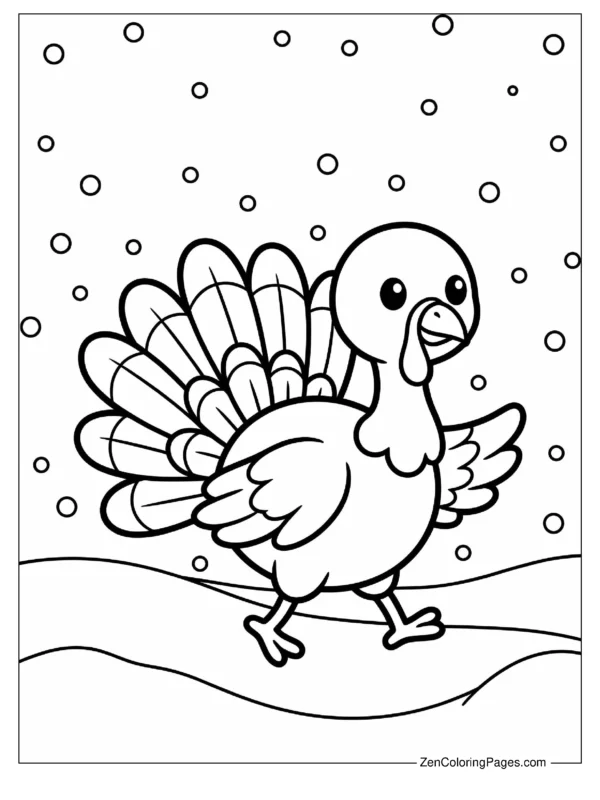
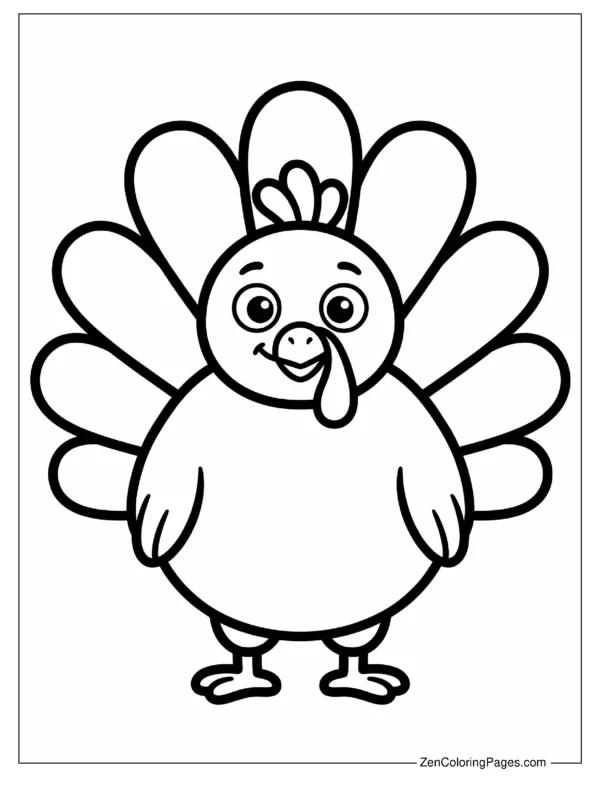
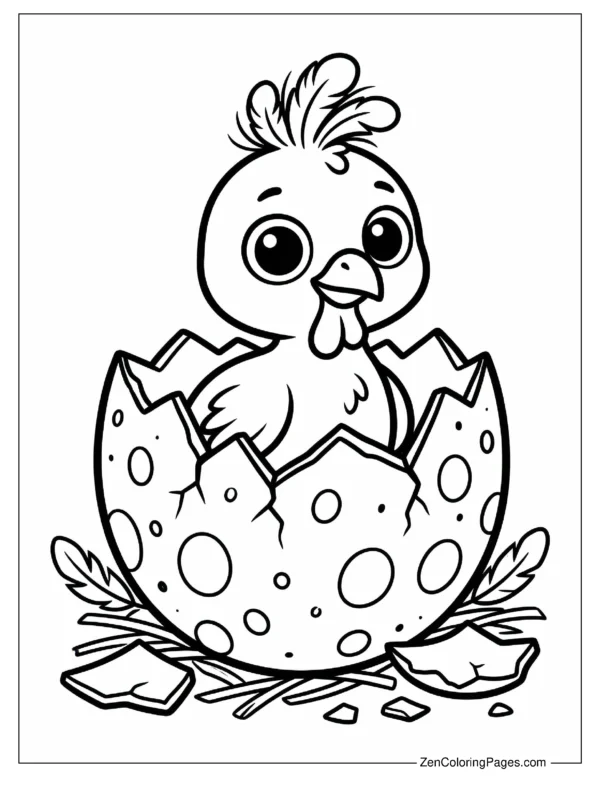
For the little ones still working on holding a crayon, you want thick lines and super simple shapes. The Cute Round Turkey for Toddlers Coloring Page is basically perfect for this stage. This charming design skips the complicated feather patterns, focusing instead on a friendly, oversized face that toddlers love. It has big open spaces that practically beg for chunky crayons or those giant washable dot markers. I usually recommend sticking to just three or four warm colors like orange, yellow, and red so they don’t get overwhelmed. Plus, the thick borders help hide the fact that they’re definitely coloring outside the lines.
Medium: Elementary Students
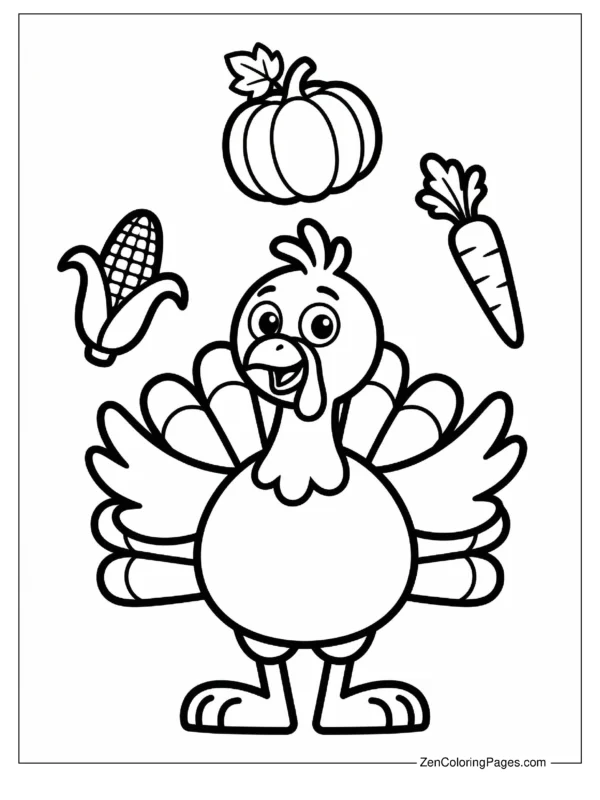
Once kids hit first or second grade, they usually want something with a bit more going on. Action scenes and funny characters are always a huge hit. Take the Cartoon Turkey Juggling Autumn Vegetables Coloring Page for example. It’s goofy enough to keep them entertained while they work on their fine motor skills. This dynamic scene not only challenges their precision but also sparks their imagination as they decide whether the juggling pumpkins should be traditional orange or a silly, vibrant green. Colored pencils or standard markers work great for these medium-difficulty pages. Encourage them to try blending different shades on the falling vegetables to really make the picture pop.
Hard: Teens and Adults
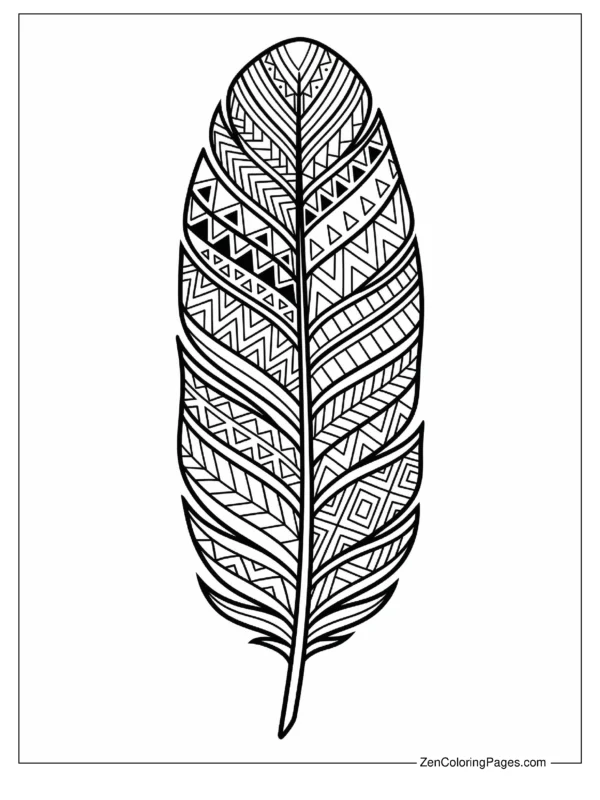
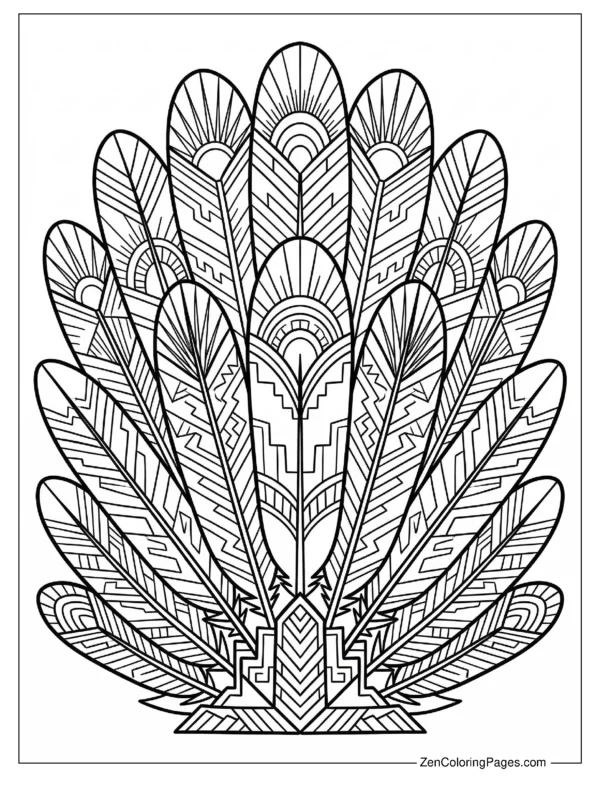
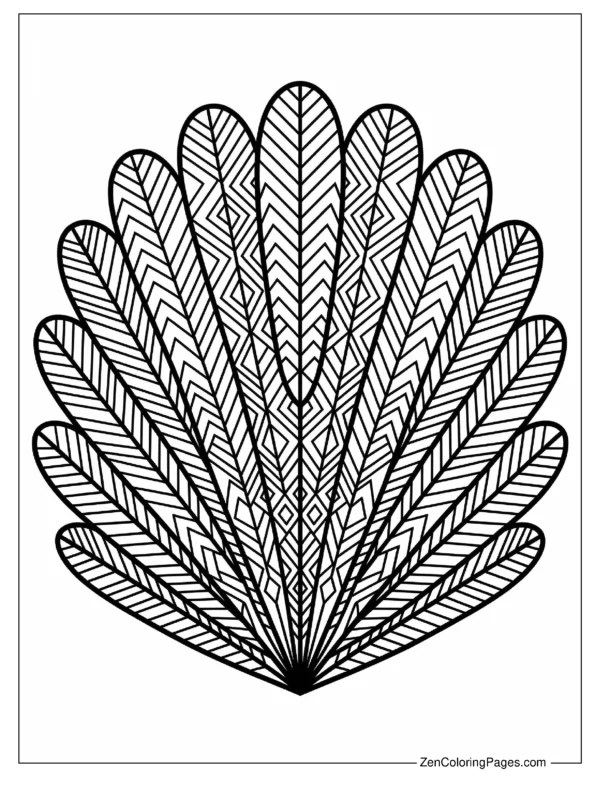
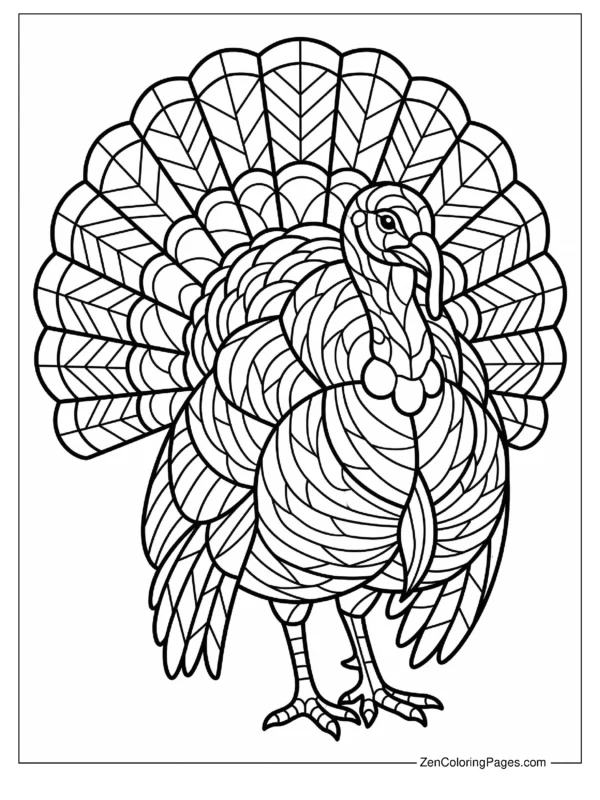
Adult coloring is totally a thing (and honestly a great way to de-stress while the actual Thanksgiving turkey is in the oven). These designs feature intricate mandalas and detailed geometric patterns. The Tribal Pattern Turkey Feather Design Coloring Sheet is my personal favorite for this level. The repeating geometric motifs require focus and patience, transforming a simple holiday activity into a genuine mindfulness exercise. You’ll absolutely want a good set of gel pens or sharp watercolor pencils for those tiny feather details. I love using rich earth tones mixed with metallic gold or bronze to give the finished page a really cool, premium look.
Thanksgiving Crafts & Activities Beyond the Page
Once you get those rich earth tones and metallic details looking perfect, don’t just stick the page on the fridge and forget about it. I’m a huge fan of getting actual use out of these printables. After making hundreds of these things, I’ve realized the best coloring pages double as functional crafts or learning tools.
DIY Thanksgiving Placemats
If your kids spent a solid chunk of time coloring a masterpiece, you can easily turn it into a custom placemat for the kids’ table. Just grab some cheap laminating sheets (or clear contact paper if you don’t have a laminator). Have them color their favorite design, write their name and the year in the corner, and seal it up. I recommend using colored pencils or standard crayons for these, as washable markers can sometimes smear during the laminating process. Boom. Spill-proof, personalized table decor that actually keeps them proud of their work while they wait for the gravy to be passed around.
The Gratitude Turkey Activity
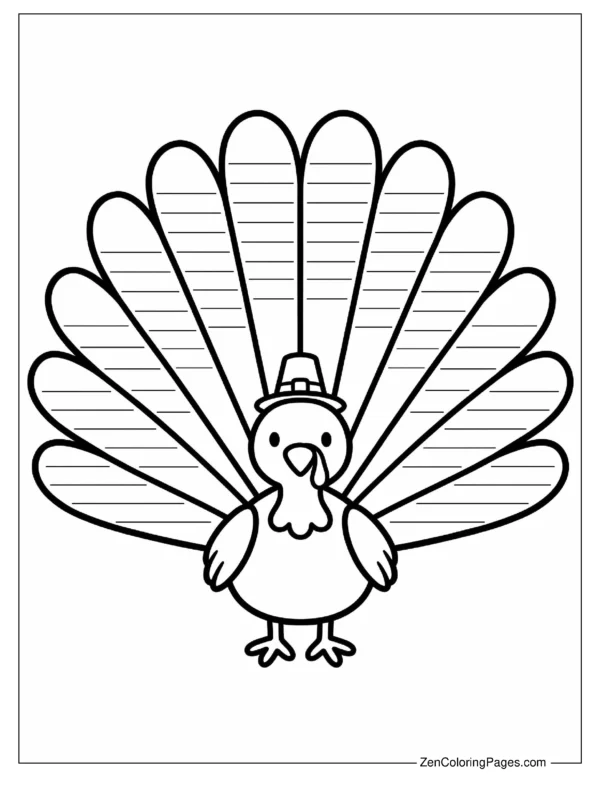
We all try to do the whole “what are you thankful for” thing around the table, which usually results in kids mumbling about video games or candy. Try this instead. Print out the Thankful Turkey Writing Gratitude List Printable. I specifically designed this one with nice, wide feathers so little hands have plenty of room to write. Have the kids sit down with some crayons and write one thing they appreciate on each of the turkey’s feathers before they color it in. Encourage them to use warm autumn hues—think mustard yellows, burnt oranges, and deep brick reds—to make those gratitude feathers really pop. It turns a chaotic pre-dinner moment into a quiet, focused activity. Plus, reading what a five-year-old writes on those feathers is usually pretty hilarious.
Sneaking in Some Preschool Math
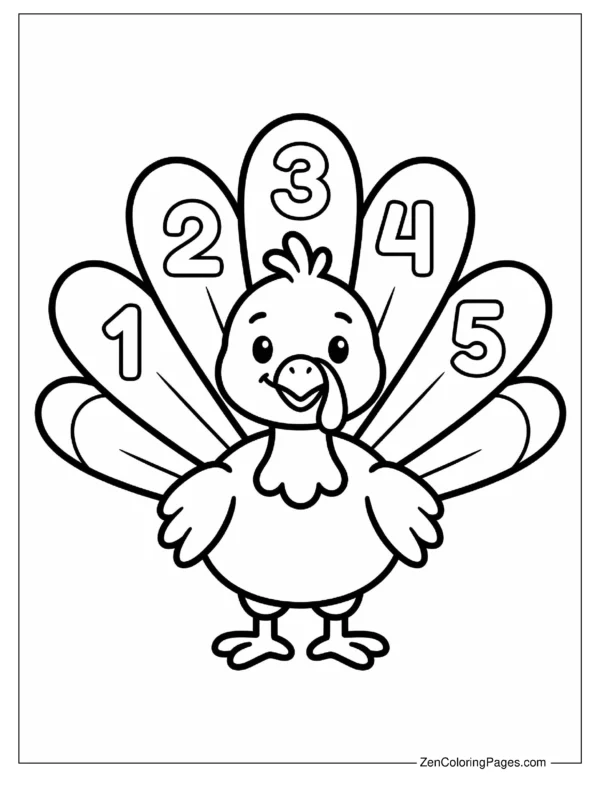
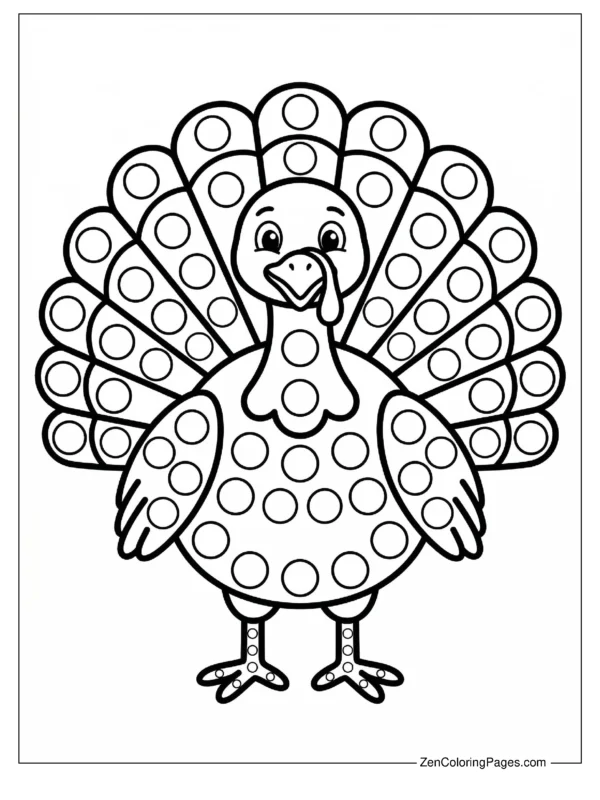
If you’re a teacher or a parent trying to keep a toddler busy while you prep a massive meal, you need activities that do double duty. The Preschool Dot Marker Turkey Activity Page is absolute gold for fine motor skills. It has those big, satisfying circles that toddlers are totally obsessed with stamping. Hand them an orange or red bingo dauber and let them go to town. For slightly older kids, the Numbered Feather Turkey Counting Activity Page works incredibly well for a quick math center. Have them color each numbered feather a different shade to practice color recognition alongside their math skills. They get to practice number recognition and counting, and you get fifteen minutes of uninterrupted potato-peeling time. Win-win.
Creative Coloring Techniques for Complex Turkey Designs
While the kids are busy counting feathers or making crafts, let’s talk about the adults for a second. You might actually want to sit down and color something that doesn’t look like a cartoon. I started making these highly detailed adult-level turkey designs because most of the available options are just too basic. If you have the patience to stay within the tiny lines, these complex patterns provide an incredibly relaxing creative outlet.
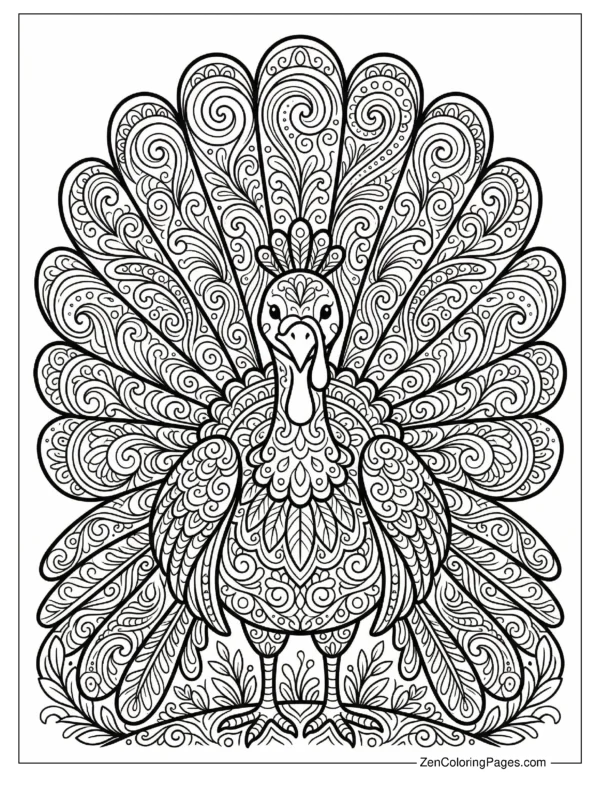
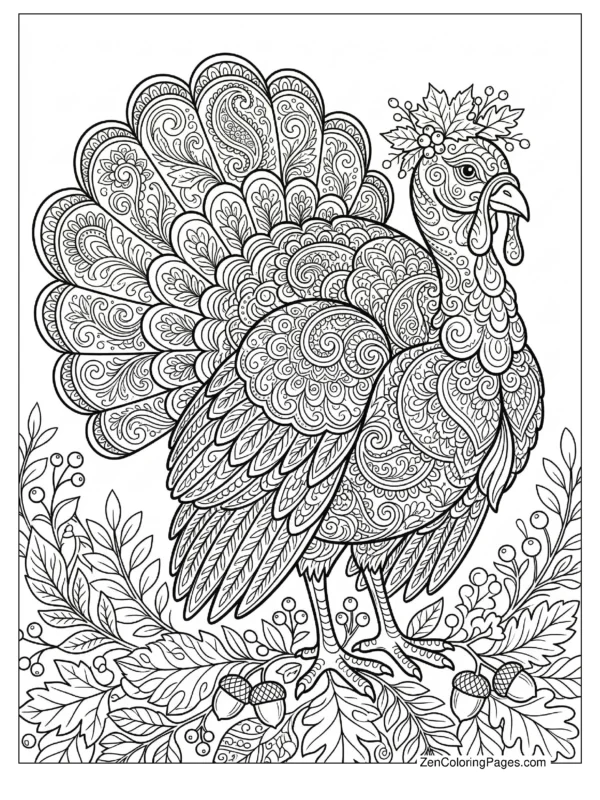
For intricate designs like the Paisley Patterned Turkey for Adults Coloring Page, having the right tools makes all the difference. Skip the standard crayons entirely. Fine-tip markers or gel pens work best here, as the tiny teardrop shapes and tight swirls require serious precision. Gel pens are especially useful because they allow you to add subtle metallic accents to individual feathers without bleeding through the paper.
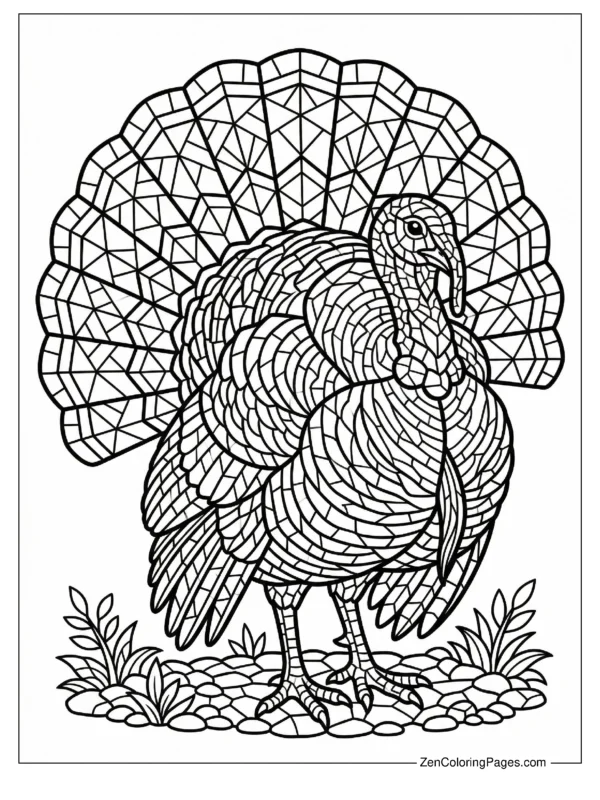
When selecting colors, a rich autumn palette is always a reliable choice. Warm oranges, deep brick reds, and metallic golds look absolutely amazing on the Mosaic Tile Turkey Design Coloring Page. The geometric blocks in that layout practically beg for alternating warm tones. You can even create a stunning stained-glass effect by keeping the dark reds near the base of the turkey and fading out to bright yellows at the edges.
If you want to practice your shading, the Turkey Tail Feathers Geometric Pattern Coloring Sheet serves as an excellent canvas. Start with a darker orange at the base of each feather segment. Next, grab a lighter yellow pencil and gently blend the color toward the tip. This simple technique makes flat geometric shapes pop right off the page.
The level of detail in the Art Deco Stylized Turkey Feather Arrangement reminds me quite a bit of the intricate botanical patterns found in our tulip coloring pages. You can use similar blending techniques for both styles. Take your time and let the color layers build up slowly. Even if you decide to print out some of our simpler designs instead of these complex mandalas, these shading tricks will elevate your artwork. Grab some quality colored pencils and see what happens.